
Chemical nomenclature: principles, systems and IUPAC standards
Rules and systems for naming chemical substances: purpose, main conventions, IUPAC reference works (Blue, Red, Green, Gold books), history, uses, and practical distinctions between systematic and common names.
Overview
Chemical nomenclature is the organized scheme used to assign names to chemical substances so they can be unambiguously identified and communicated. Standardized naming reduces confusion between regions, languages and disciplines by providing a consistent way to describe molecules, ions, elements and mixtures. Rules and recommendations for forming such names are published by international bodies and in specialist guides.
Image gallery
10 Images






Core features and purpose
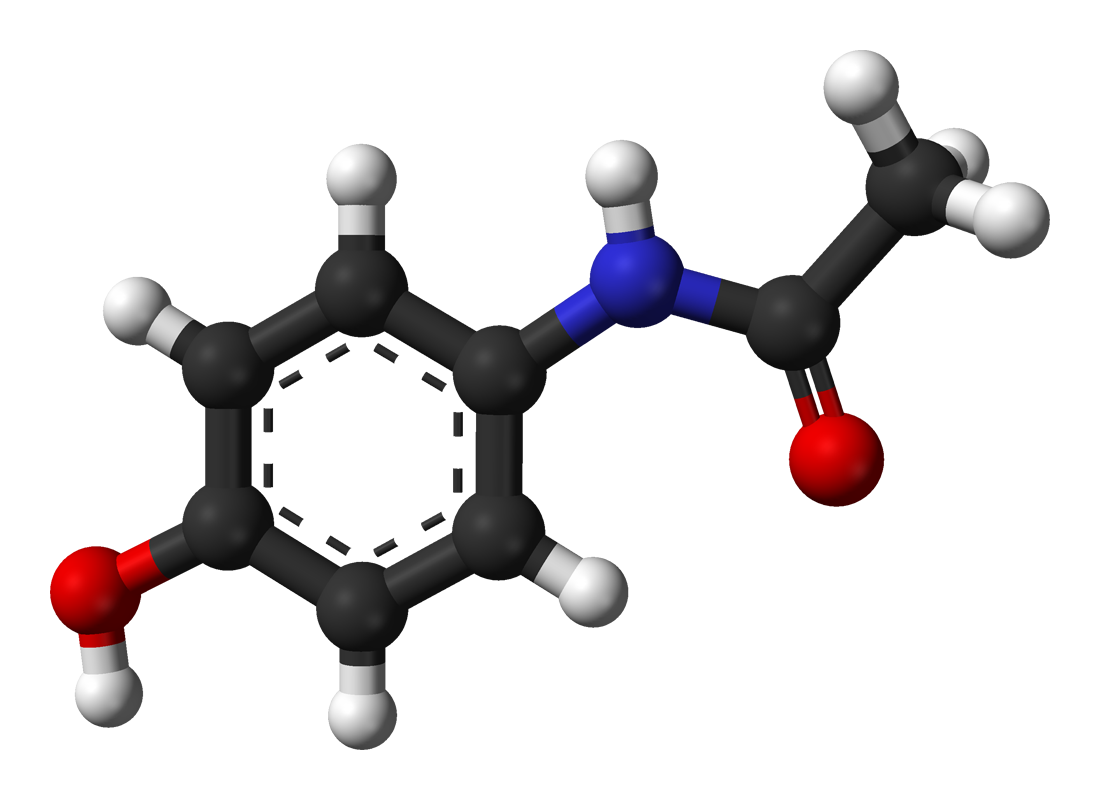
At its heart, a nomenclature system defines a limited set of operations and terms to transform structural or compositional information into a reproducible name. Typical features include priorities for functional groups, rules for numbering atoms, permitted abbreviations, and methods to indicate stereochemistry, isotopes and polymer units. These conventions make it possible for a chemist to reconstruct the identity or structure of a compound from its systematic name.
Standard-setting organizations and primary references
The most widely adopted international standard for chemical naming is produced by the International Union of Pure and Applied Chemistry (IUPAC). IUPAC issues formal recommendations and compendia that cover broad classes of substances. Concise guides and specific updates also appear in professional journals.
- Organic chemistry: the set of rules commonly called the Blue Book (Blue Book).
- Inorganic chemistry: the Red Book (Red Book).
- Quantities and symbols: recommendations that appear in the Green Book (Green Book) covering notation for physical quantities.
- Definitions: technical terms and their meanings appear in the Gold Book (Gold Book).
- Separate guidance exists for biochemical (biochemistry) and analytical (analytical chemistry) contexts.
History and development
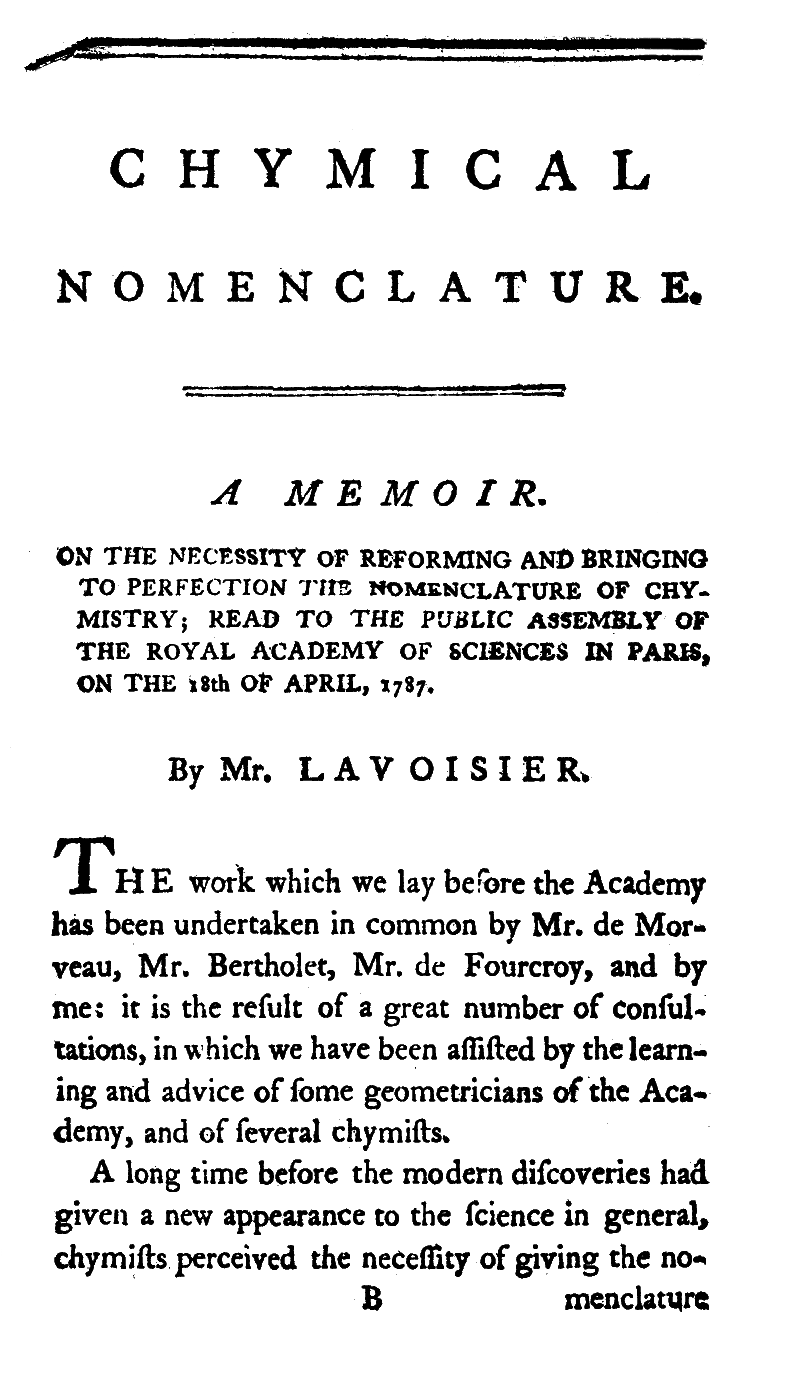
Systematic naming evolved as chemistry matured. Early names were descriptive or based on sources (for example, common names like "acetic acid"). As structural theory and molecular formulas developed in the 19th and 20th centuries, the need for regular, rule-based names led national and international committees to create progressively more comprehensive codes. Today, recommendations are periodically revised to accommodate new classes of compounds, macromolecules and engineered materials.
Applications and examples
Standard nomenclature is used in scientific papers, patents, regulatory documents, databases and education. For example, systematic names reveal functional groups and connectivity (helpful for synthesis and safety data), while registry systems index substances across digital libraries. In routine practice, many substances retain common or trivial names alongside systematic ones; the two naming conventions are complementary rather than mutually exclusive.
Practical distinctions and notable points
Common or historical names are often shorter and widely recognized, but they can be ambiguous. Systematic names prioritize clarity and reproducibility, although they can be long and complex for large molecules. Specialized recommendations exist for polymers, coordination complexes and biomolecules to balance readability with precision. Short updates and targeted recommendations are sometimes published in professional outlets to address naming needs not yet codified in the larger reference works.
For introductory guidance consult general summaries of the rules (naming rules) and name lists (standard names), or the detailed IUPAC recommendations and books referenced above.
Questions and answers
Q: What is a chemical nomenclature?
A: A chemical nomenclature is a system of rules for naming chemicals in a standard way.
Q: Why is it important to have a chemical nomenclature?
A: A chemical nomenclature is important so that everyone uses the same name for a chemical.
Q: Who created the most commonly used system of chemical nomenclature?
A: The International Union of Pure and Applied Chemistry (IUPAC) created the most commonly used system of chemical nomenclature.
Q: Where can the rules for naming chemical compounds be found?
A: The rules for naming chemical compounds can be found in a series of books created and developed by the IUPAC.
Q: What are the names of the books that contain the rules for naming organic and inorganic compounds?
A: The system for naming organic compounds is written in the Blue Book, and the system for naming inorganic compounds is written in the Red Book.
Q: What is the Green Book?
A: The Green Book gives recommendations about the use of symbols for physical quantities.
Q: What is the Gold Book?
A: The Gold Book contains the definitions of many of the technical terms used in chemistry.
Related articles
Author
AlegsaOnline.com Chemical nomenclature: principles, systems and IUPAC standards Leandro Alegsa
URL: https://en.alegsaonline.com/art/19175
Sources
- old.iupac.org : "Nomenclature of Organic Chemistry (Provisional Recommendations)"
- old.iupac.org : Electronic version
- old.iupac.org : Electronic version