
Cheltenham (Cheltenham Spa)
Historic spa town in Gloucestershire, England, noted for Regency architecture, major festivals including horse racing and literature events, a service-led economy, and a relatively high concentration of wealthy residents.
Overview
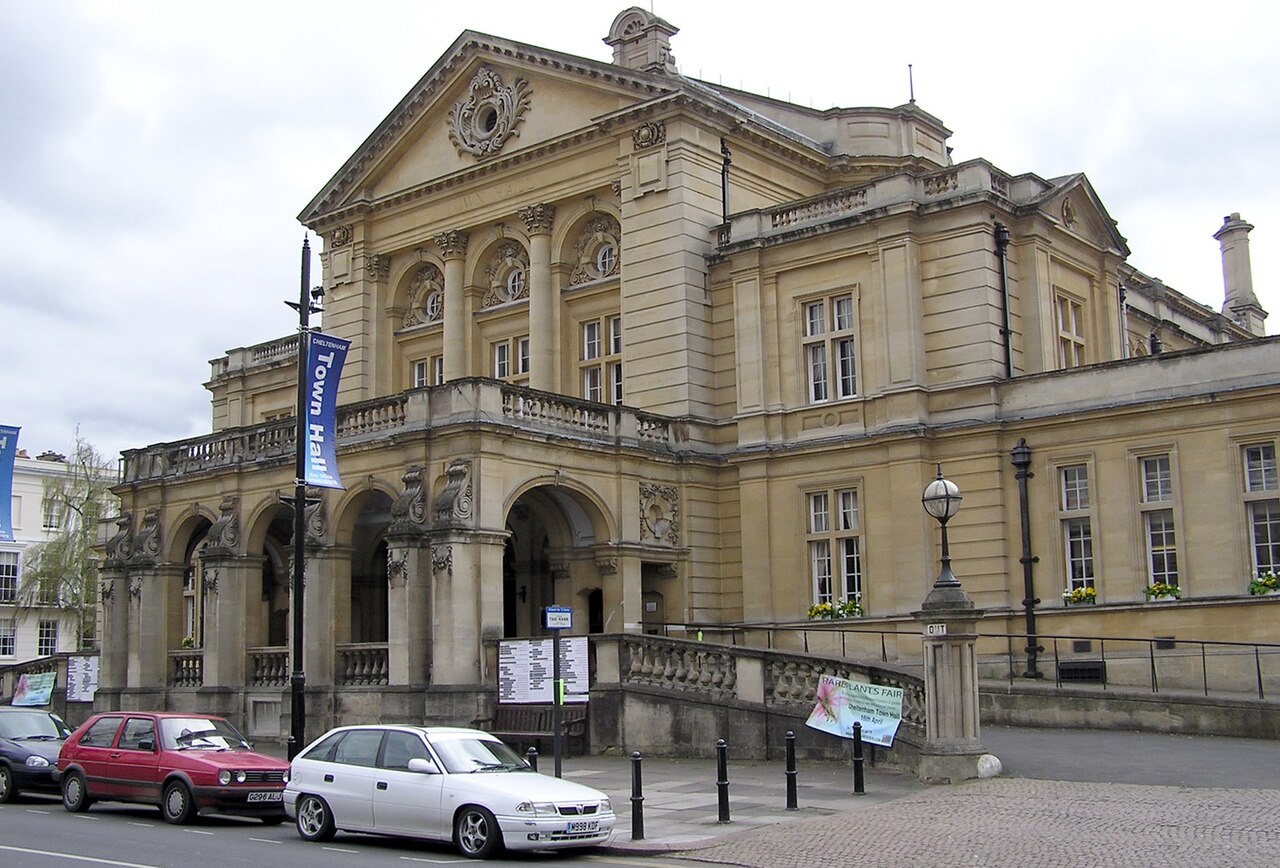
Cheltenham, often called Cheltenham Spa, is a prominent English town in the county of Gloucestershire. It lies on the edge of the Cotswolds and is widely recognised as a centre for culture, leisure and high-quality residential areas. The town combines 18th- and 19th-century town planning with modern services, making it a regional hub for shopping, education and professional employment. Cheltenham is commonly described as the second largest town in its county and has been noted for a high concentration of affluent households and private wealth.
Image gallery
10 Images



History and development
Cheltenham developed as a spa town after mineral springs were promoted in the late 18th century. Its growth was shaped by Regency-era architecture and the layout of crescents, terraces and promenades that remain a visible part of the townscape. Over the 19th and 20th centuries Cheltenham expanded with residential suburbs, public buildings and transport links that tied it more closely to the industrial and commercial networks of the West of England.
Culture, events and landmarks
The town hosts several nationally recognised cultural events. The annual Cheltenham Festival at Cheltenham Racecourse is one of the most important meetings in National Hunt racing. Literary and science festivals attract authors, thinkers and visitors, while a jazz festival and other arts events contribute to a varied cultural calendar. Notable landmarks include Regency promenades, municipal parks and civic buildings that reflect the town’s spa-era prosperity.
Economy, education and transport
Cheltenham’s economy is dominated by services: public administration, education, tourism and professional firms. The town supports higher education institutions and a range of independent shops, restaurants and cultural venues. Transport connections include a railway station with services to regional cities and road links to the M5 motorway, facilitating commuting and tourism.
Notable facts and distinctions
- Cheltenham has long been associated with spa tourism and Georgian/Regency architecture.
- It regularly stages major national events in sport and the arts that bring large visitor numbers.
- Studies and reports have highlighted the town’s relatively high rate of wealthy residents; one widely cited figure reports around 43 multimillionaires per 100,000 people, among the highest concentrations in the UK (see wealth rankings).
The town balances its historical character with contemporary civic life, offering both local amenities and events that draw regional and national interest.
Location
The county of Gloucestershire includes Gloucester and Cirencester. It borders Wales to the west. It lies on the western edge of the Cotswolds, the hilly "heart of England", and 140 km west-northwest of London and 65 km south of Birmingham.
Personalities
- Edward Inglefield (1820-1894), British admiral and polar explorer
- Clara Montalba (1840-1929), English watercolour painter
- Henry John Elwes (1846-1922), botanist, naturalist and entomologist
- Claude Reignier Conder (1848-1910), English Palestine researcher
- Edward Adrian Wilson (1872-1912), English physician and polar explorer
- Edward H. Bennett (1874-1954), US-American architect and urban planner
- Gustav Holst (1874-1934), British composer
- Sigismund Payne Best (1885-1978), Captain in the Secret Intelligence Service
- Raymond Priestley (1886-1974), British geologist and polar explorer
- Arthur Harris (1892-1984), Commander-in-Chief of RAF Bomber Command and Air Marshal of the British Royal Air Force during World War II.
- Ralph Richardson (1902-1983), British actor
- Robert Hardy (1925-2017), British actor
- Brian Jones (1942-1969), British musician (The Rolling Stones)
- Richard O'Brien (* 1942), English actor, author and composer
- Mick Farren (1943-2013), British journalist, author and singer.
- Richard Loncraine (* 1946), British film director
- Felicity Lott (* 1947), British soprano
- Michael Burston (1949-2011), English guitarist
- Jaz Coleman (* 1960), musician, singer, composer
- Eddie Edwards (* 1963), British ski jumper
- Steve Cotterill (* 1964), football player
- Paul Casey (* 1977), English professional golfer
- Leon Taylor (* 1977), water diver
- Jack Lisowski (* 1991), British snooker player
- Liam Hess (* 1992), actor
- Eric Dier (* 1994), English football player


Related articles
Author
AlegsaOnline.com Cheltenham (Cheltenham Spa) Leandro Alegsa
URL: https://en.alegsaonline.com/art/19154