
Chehel Sotoun — the 'Forty Columns' pavilion in Isfahan
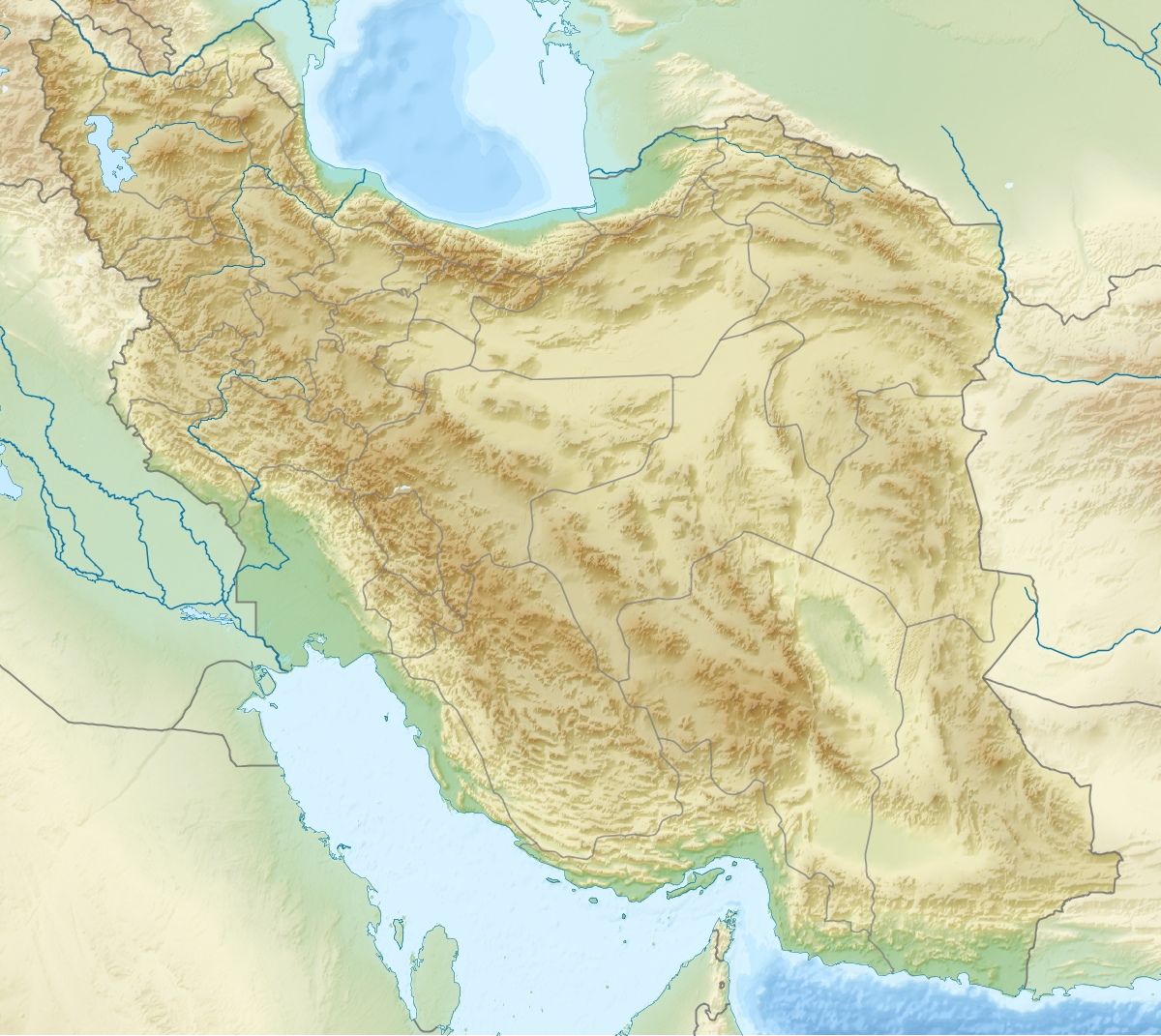
Chehel Sotoun is a Safavid-era pavilion in Isfahan, Iran, famed for its long reflecting pool, wooden columns, frescoes and ceramic panels; it is part of the UNESCO serial property 'The Persian Garden'.
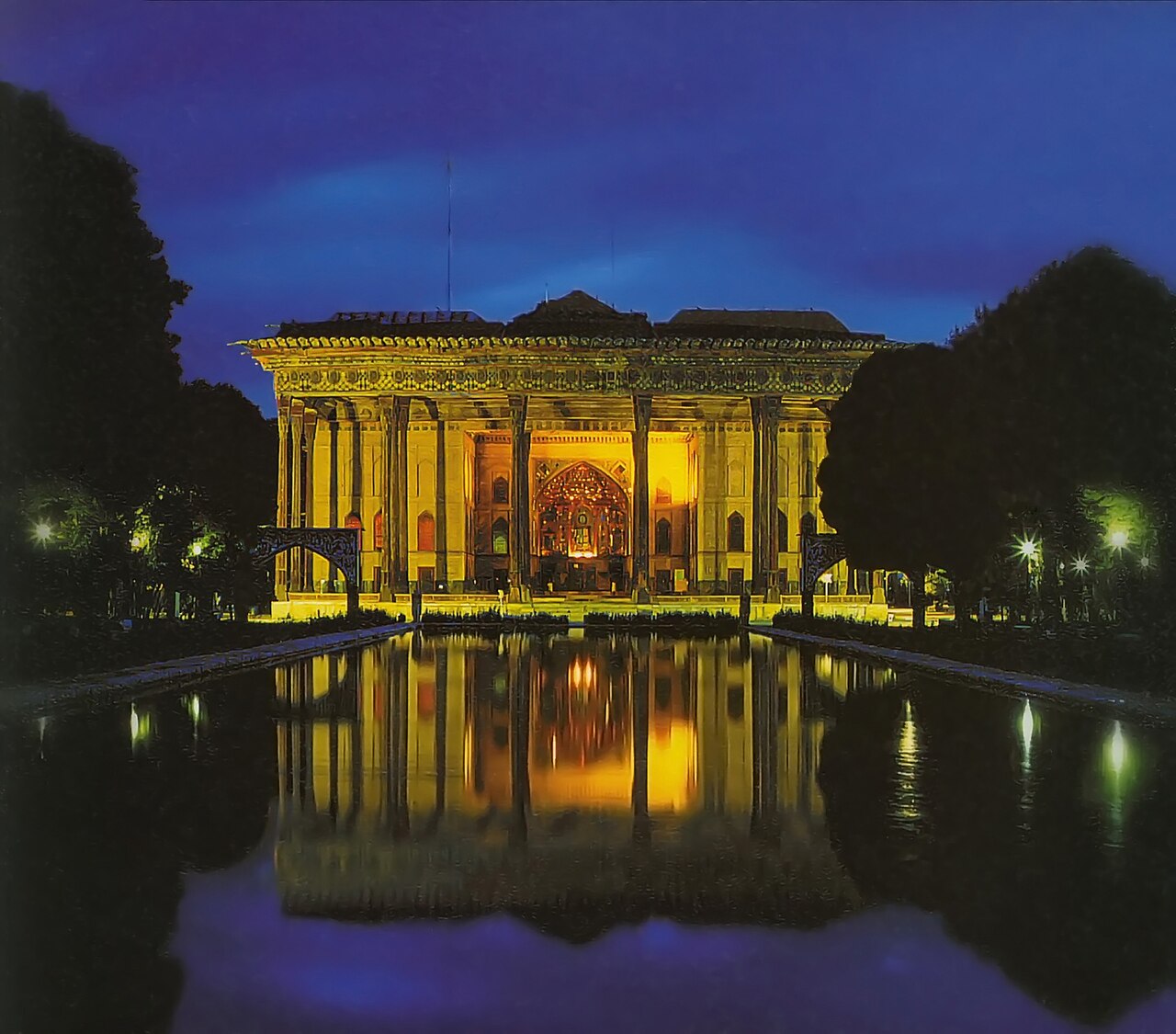
Chehel Sotoun (literally "Forty Columns") is a celebrated pavilion and palace complex located in Isfahan, Iran. Set at the end of a long rectangular reflecting pool within a formal garden, the building served as an elegant stage for courtly ceremonies and diplomatic receptions during the Safavid period. Its name refers to the visual effect produced when the twenty wooden columns of the entrance terrace are mirrored in the water and appear to double; the pavilion and its grounds remain an important example of Persian garden and royal architecture.
Image gallery
10 Images




Architecture and layout
The pavilion occupies a central position in a planted enclosure and faces a long water channel that emphasizes axial perspective. A broad terrace supported by a row of slender wooden columns opens onto the pool; behind it lie reception halls and audience rooms richly decorated with paintings and tilework. Interior spaces are arranged to combine cool, shadowed enclosures with a close relationship to the garden and water features. Architectural elements often highlighted by guides and scholars include the wooden columned portico, carved stucco work, mirrored surfaces and painted ceilings.
Decoration and artistic programs
Chehel Sotoun is particularly renowned for its wall and ceiling decorations. Large-scale frescoes and mural paintings depict courtly life, receptions, royal banquets, hunting scenes and episodes intended to glorify the shah and his court. The palace also preserves painted ceramic panels and tile compositions that illustrate narrative and decorative subjects in the refined aesthetic of Safavid miniature painting. For more information on the pavilion's setting see site overview, and for architectural descriptions consult palace studies.
History and use
Constructed in the mid-17th century under Shah Abbas II and his immediate successors, Chehel Sotoun functioned as a reception pavilion where rulers entertained foreign ambassadors and held state ceremonies. Its long hall and terrace were deliberately theatrical: visitors approaching along the water axis experienced a carefully composed procession of reflections and ornament. Accounts of court events emphasize the building's role in diplomacy and display; for examples of recorded receptions see diplomatic contexts.
Collections, losses and dispersal
Many painted and ceramic elements originally placed in the palace have been removed over time and are now held in museums outside Iran. Panels that once formed part of interior decoration illustrate the types of scenes and technical mastery found at Chehel Sotoun; scholars refer to these works when reconstructing original schemes and iconography. Selected studies of the frescoes and tiles can be found at fresco research and ceramic panel catalogues. The reflective pool and fountain also play a symbolic role in the ensemble and are discussed in conservation literature at water feature studies.
Significance and conservation
Chehel Sotoun is part of the collective UNESCO listing known as "The Persian Garden," which recognizes a group of nine historic gardens that exemplify Persian garden design and its relationship to architecture. The pavilion's combination of garden setting, theatrical approach, and richly painted interiors make it a key example of Safavid cultural expression and courtly architecture. Ongoing preservation efforts focus on maintaining the wooden structures, protecting fragile painted surfaces and preserving the harmony between building and garden that gives Chehel Sotoun its distinctive character.
- Location: Isfahan, central Iran.
- Era: Safavid period; mid-17th century construction and decoration.
- Main features: Columned terrace, reflecting pool, frescoes, ceramic tiles, reception halls.
- Cultural status: Included in the UNESCO serial property "The Persian Garden."
Visitors today experience a combination of landscape, architecture and painted ornament that illustrates how Safavid rulers staged power through carefully designed spaces. Conservation and research continue to clarify the pavilion's original decorative program and to protect its surviving artworks for future study.
Questions and answers
Q: What is the Chehel Sotoun?
A: The Chehel Sotoun is a pavilion in Isfahan, Iran.
Q: Who built the Chehel Sotoun?
A: The Chehel Sotoun was built by Shah Abbas II for his entertainment and receptions.
Q: What was the purpose of the Chehel Sotoun?
A: The purpose of the Chehel Sotoun was for Shah Abbas II and his successors to receive dignitaries and ambassadors.
Q: What does the name "Chehel Sotoun" mean?
A: The name "Chehel Sotoun" means "Forty Columns" in Persian.
Q: What inspired the name "Chehel Sotoun"?
A: The name "Chehel Sotoun" was inspired by the twenty slender wooden columns supporting the entrance pavilion which, when reflected in the waters of the fountain, are said to appear to be forty.
Q: What is shown on the frescoes and paintings on ceramic in the Chehel Sotoun palace?
A: The frescoes and paintings on ceramic in the Chehel Sotoun palace show specific historical scenes and aesthetic compositions in the traditional miniature style which celebrate the joy of life and love.
Q: What is the significance of the Chehel Sotoun palace?
A: The Chehel Sotoun palace is one of the nine Iranian Gardens which are registered as one of Iran's 17 World Heritage Sites as part of "The Persian Garden".
Related articles
Author
AlegsaOnline.com Chehel Sotoun — the 'Forty Columns' pavilion in Isfahan Leandro Alegsa
URL: https://en.alegsaonline.com/art/19125
Sources
- gutenberg.org : Across coveted lands
- otraq.com : "Otraq.com, Iran's Tourism Guide"