
Cheema: a Jat clan of Punjab
Cheema (also Chima) is a Jat clan from the Punjab region, historically agricultural and martial, found in India and Pakistan with Sikh, Muslim and Hindu members and a notable diaspora.
Cheema (also spelled Chima; Shahmukhi: چیمہ, Gurmukhi: ਚੀਮਾ) is a surname and clan traditionally associated with the Jat community of the Punjab region. Members of the Cheema lineage are found on both sides of the India–Pakistan border and among the Punjabi diaspora. The group is best known for its rural, agricultural roots, and in local memory often for a martial reputation shaped by centuries of regional conflict and service.
Image gallery
2 Images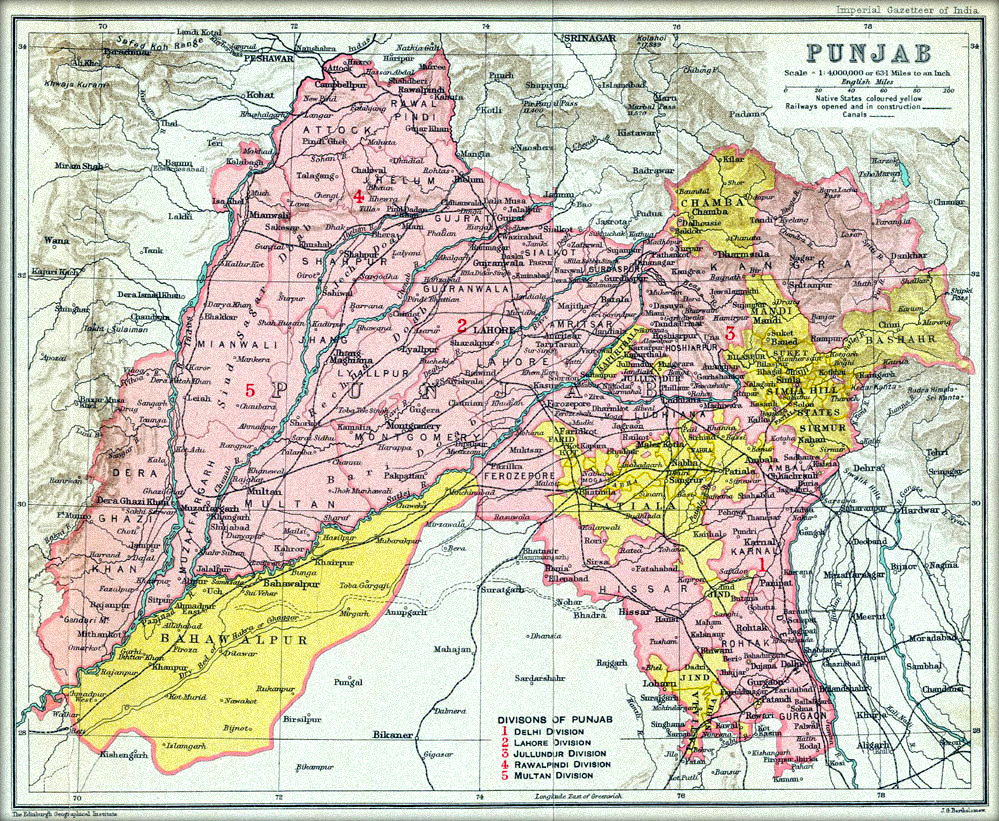

Names, language and identity
The clan name appears in several spellings in English transliteration. Cheema families typically speak Punjabi as a mother tongue, with regional dialects varying between districts. As a component of the broader Jat confederation, Cheema identifies both as a kinship group and as a social category tied to landholding and rural status.
Geographic distribution
Cheema families live across the modern provinces and states of the Punjab region. Many Muslim Cheemas are concentrated in what is now West Punjab (Pakistan) and farther west, while Sikh and Hindu Cheemas are more common in East Punjab in India. Significant populations also exist in urban centres and in emigrant communities in countries such as the United Kingdom, Canada and others. Historically, local traditions often point to towns and villages in the Sialkot area and surrounding countryside as early settlement zones, though such origin stories vary by lineage and village.
History and social role
The Cheema clan, like many Jat lineages, emerged from a complex history of agriculture, migration and local politics in the northwestern Indian subcontinent. Over centuries Jat clans consolidated land and organized village communities; some branches of Cheema entered military service under regional rulers or, later, colonial forces, contributing to the perception of a warrior heritage. These broad patterns reflect the clan's integration into the agrarian socioeconomy of Punjab.
Religion, customs and occupations
Religious affiliation among Cheemas varies by region: many are Muslim in Pakistan and many are Sikh in Indian Punjab; some Hindu Cheemas also exist. Customs, marriage practices and local festivals follow wider Punjabi traditions but can include clan-specific rites and village-level institutions. Economically, Cheemas have been primarily farmers and landowners, but modern members also work in business, government, professions and the armed forces.
Contemporary presence and notable aspects
Today Cheema is a common surname encountered in rural and urban Punjab, and across the global Punjabi diaspora. Clan networks may still influence social ties, marriage choices and political alliances at the local level. Research into regional histories and oral genealogies provides further detail on particular Cheema lineages and their village origins; for general background on the community's presence in India and Pakistan, see regional ethnographic and historical sources.
Quick facts
- Also spelled: Chima.
- Primary language: Punjabi.
- Concentrations: West Punjab (Pakistan) and East Punjab (India).
- Traditional occupations: agriculture, landholding; many now in diverse professions.
For readers seeking more on the social history of Jat clans and Punjabi kinship systems, specialized regional studies and oral histories are the best sources; summaries here reflect widely reported patterns rather than narrow or contested local claims. Additional resources: Jat confederation overview, community studies in Punjab, and migration accounts relating to India and Pakistan.
Questions and answers
Q: Who are the Cheema people?
A: The Cheema people are a group of the Jaat clan confederation found in India and Pakistan.
Q: What is the significance of Sahowala, Balochak?
A: Any family of Cheema must be connected to Sahowala, Balochak because this is the beginning place of Jutt Cheemas.
Q: What are the Cheema people known for?
A: The Cheema people are known as warriors.
Q: What are Jats?
A: Jats are a large and important group in Punjab.
Q: What language do the Cheema people speak?
A: The Cheema people speak Punjabi.
Q: What do the Cheema people usually own?
A: The Cheema people usually own vast farmlands.
Q: Where are most of the Muslim Cheema clans found? Where are most of the Sikh Cheema clans found?
A: Most of the Muslim Cheema clans are found in West Punjab (Pakistan), and many who are Sikhs are found in East Punjab (India).
Tags
Related articles
Author
AlegsaOnline.com Cheema: a Jat clan of Punjab Leandro Alegsa
URL: https://en.alegsaonline.com/art/19100