
Charophyceae: the green algae group closest to land plants
Charophyceae (charophytes) are a group of green algae closely related to land plants. This article explains their features, classification debates, evolutionary importance, ecology, and roles in research and ecosystems.
Overview
The Charophyceae, often called charophytes, are a set of green algae that share many structural and genetic features with land plants (embryophytes). They are freshwater or damp-soil organisms that range from unicellular filaments to large multicellular forms such as the stoneworts. Modern research treats them as the closest algal relatives of plants, a relationship summarized in reviews by botanists and molecular studies cited by the scientific consensus. For accessible background on green algae more broadly see green algae.
Image gallery
3 Images

Key characteristics
Charophytes share several plant-like features in cell and life-cycle organization. Commonly noted traits include:
- Complex cytokinesis: some charophytes form a phragmoplast-like structure during cell division, resembling land-plant cytokinesis.
- Reproductive innovations: many show oogamy or retention of the egg and specialization of reproductive tissues, precursors of traits in embryophytes (sexual reproduction).
- Cellular connections and walls: plasmodesmata-like channels and cellulose-rich walls are widespread, and chloroplast structure resembles that of plants (chloroplast DNA similarities).
Evolution and classification
Classification of charophycean algae has varied. Some taxonomists prefer to treat Charophyceae as a class within a division usually called Charophyta, while others expand the concept of the plant kingdom to include charophytes alongside other green algae like Chlorophyta. Molecular phylogenies based on nuclear, mitochondrial and chloroplast genes have clarified relationships but not resolved every detail: different analyses sometimes place orders such as Zygnematales and Coleochaetales in differing relative positions. For example, recent genomic work has highlighted the Zygnematales as potentially very close relatives of land plants (Zygnematales). These shifts underline that charophycean groupings remain an active research area.
Groups commonly associated with charophytes
- Charales (stoneworts): large multicellular freshwater algae often encrusted with calcium carbonate.
- Coleochaetales: small, often disc-shaped algae studied for their plant-like reproductive structures.
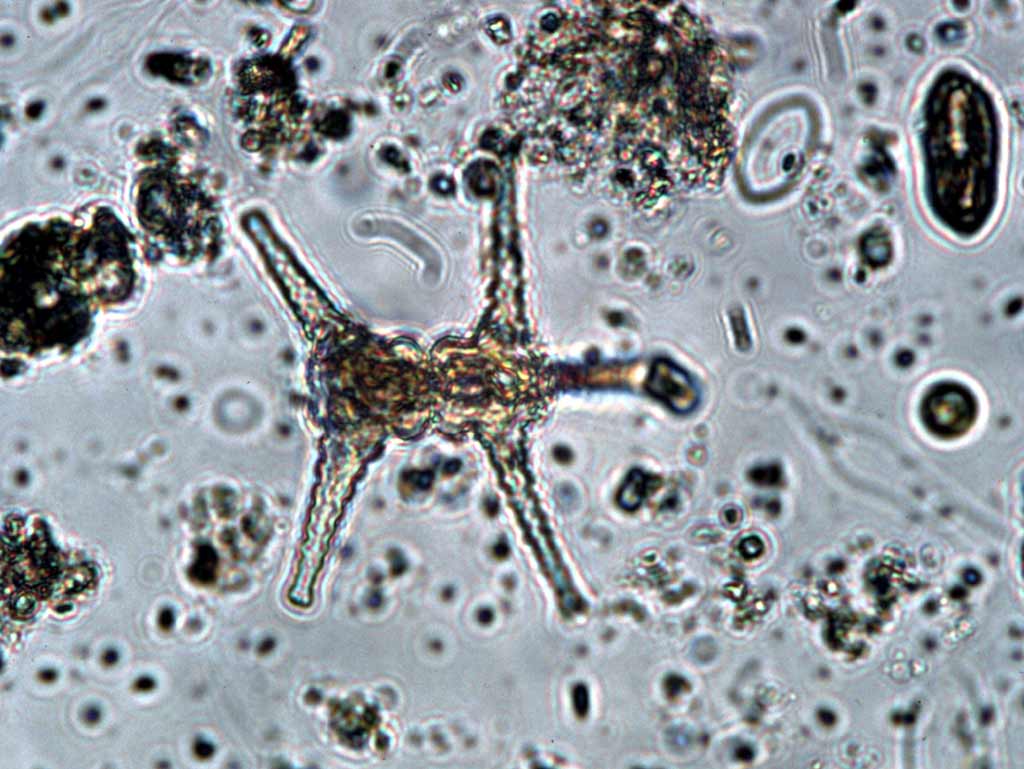
- Zygnematales: conjugating green algae including filamentous and unicellular forms such as Spirogyra and desmids.
- Other streptophyte algae sometimes included in broader concepts of charophytes.
Ecology, importance and uses
Charophytes are important components of many freshwater ecosystems. Stoneworts create habitat for invertebrates and fish, can stabilize sediments, and are used as indicators of water quality. Several genera (for example, Chara and Nitella) feature very large internodal cells that have been model systems in cell biology for studies of cytoplasmic streaming, ion transport and development. Laboratory research on charophytes informs hypotheses about how plants adapted to life on land, so these algae are central to studies of plant evolution and genomics. For further reading on their role in evolutionary studies see sexual reproduction and organelle evolution resources such as chloroplast genomic comparisons (DNA).
Notable distinctions and current questions
While charophyceans are widely accepted as the algal lineage closest to land plants, the exact branching order of early streptophyte algae is still debated. Different datasets yield different sister groups, and taxonomic ranks have been rearranged repeatedly to reflect new evidence. These uncertainties affect how botanists and evolutionary biologists interpret the sequence of innovations that led to terrestrial plants. Readers can consult specialist reviews and phylogenomic studies for the latest perspectives (green algae, botanists, Chlorophyta, consensus, Zygnematales).
Questions and answers
Q: What are the Charophyceae?
A: The Charophyceae are a type of green algae, which are considered to be the closest algae to plants.
Q: What is the debate surrounding the rank of the Charophyceae?
A: There is some debate among botanists regarding the exact rank of the Charophyceae. Some suggest that they should be included within the existing plant kingdom, while others classify them as a class under division Charophyta.
Q: How are the Charophyceae related to land plants?
A: The Charophyceae are closely related to land plants, and are considered to be the organisms most closely related to them.
Q: What plant traits are thought to have evolved first in charophyceans?
A: Many of the complex plant traits related to sexual reproduction are believed to have evolved first in charophyceans.
Q: What is the significance of analysis of cpDNA in relation to Charophyceae?
A: Analysis of cpDNA has shown that characteristics of plant chloroplasts evolved first in the Charophyceae, before the Zygnematales diverged from the lineage that lead to Coleochaetales, Charales, and land plants.
Q: What are the groups typically included within the Charophyceae?
A: The groups generally included within the Charophyceae are Coleochaetales, Charales, and some other related groups of green algae.
Q: How do some botanists classify Charophyceae?
A: Some botanists classify Charophyceae as a class under division Charophyta, while others suggest expanding the existing plant kingdom to include them.
Related articles
Author
AlegsaOnline.com Charophyceae: the green algae group closest to land plants Leandro Alegsa
URL: https://en.alegsaonline.com/art/18879
Sources
- algaebase.org : AlgaeBase.org
- books.google.com : Algae: an introduction to phycology
- tolweb.org : “Green plants”
- life.umd.edu : “Charophycean green algae”
- biomedcentral.com : The complete chloroplast DNA sequences of the Charophycean green algae Staurastrum and Zygnema reveal that the chloroplast genome underwent extensive changes during the evolution of the Zygnematales