
Al Jazeera: Qatar-based international news network
Al Jazeera is a Doha-based media network founded as an Arabic satellite channel; it expanded into multiple channels and languages and is known for changing regional news coverage and provoking debate over impartiality.
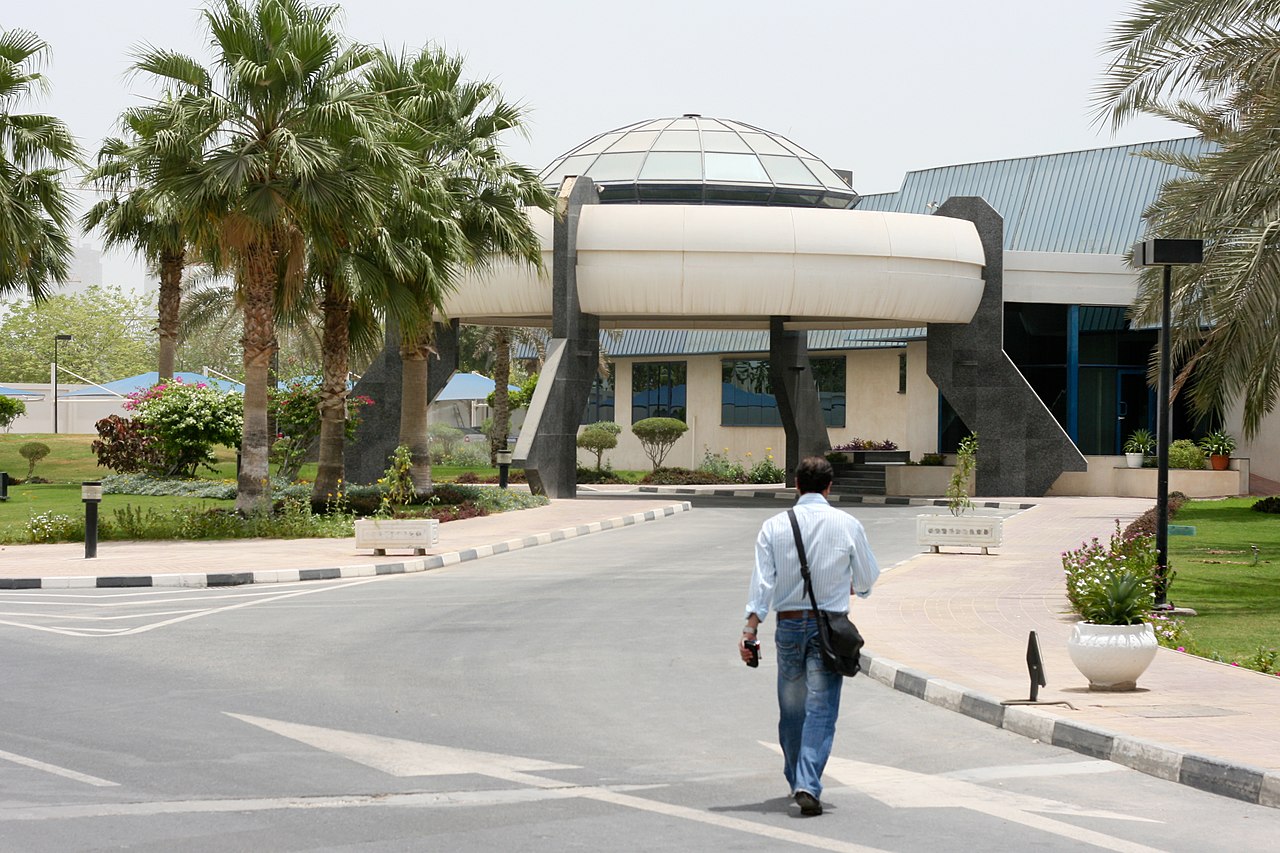
Al Jazeera is a global media network that began as an Arabic-language satellite television channel based in Doha, Qatar. The station's Arabic name, الجزيرة, means "The Island" in Arabic and reflects early claims of editorial independence compared with state-run broadcasters. What started as a single Arabic channel has grown into a multi-channel, multilingual organization with international reach and an extensive digital presence.
Image gallery
3 Images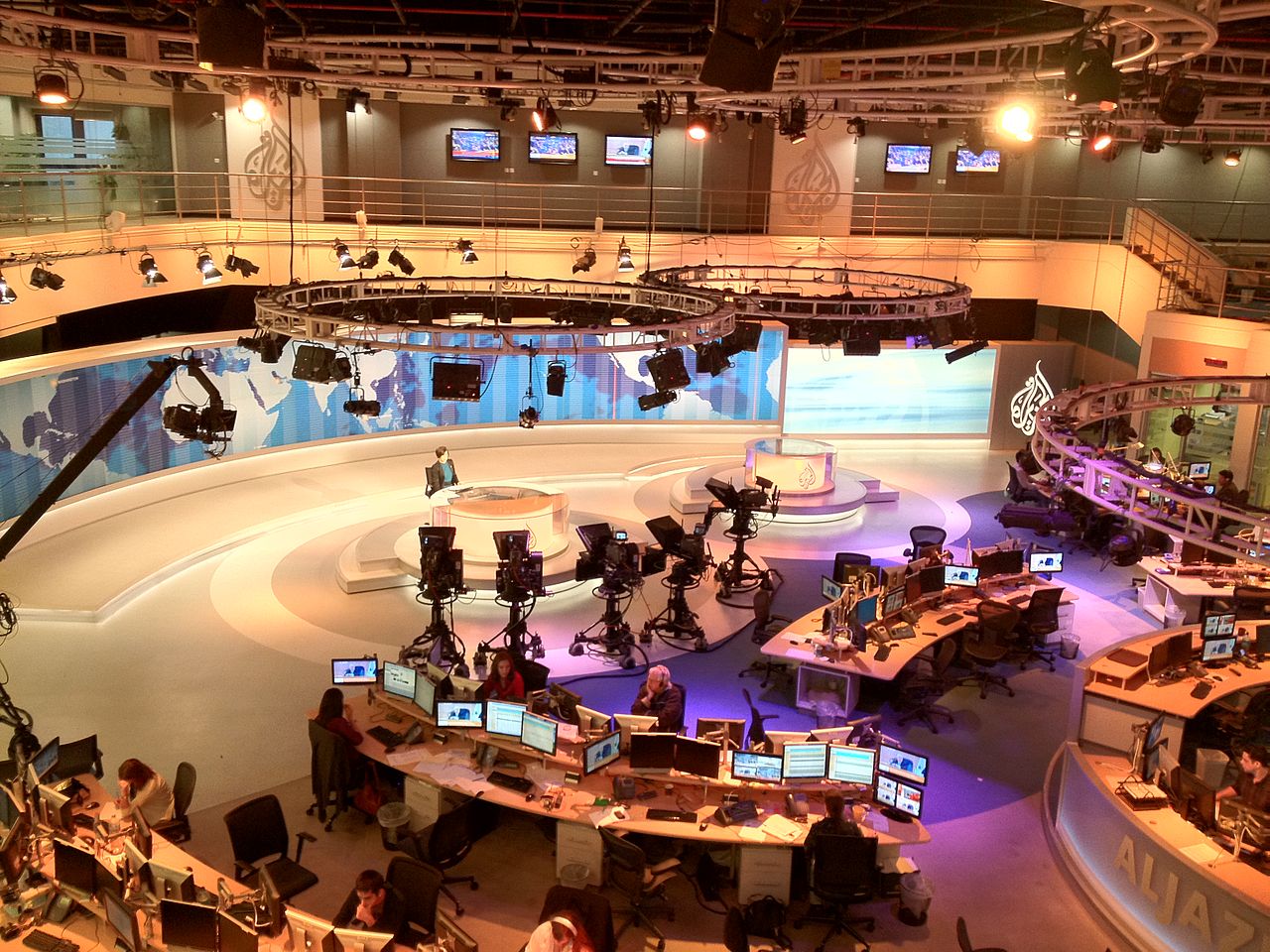

History and development
The network launched in the mid-1990s and quickly distinguished itself by airing live debates, coverage of conflicts, and perspectives often absent from domestic broadcasters. Over time Al Jazeera added new services and language editions to broaden its audience. Its English-language international service was introduced later to reach a global news market, while other channels and platforms developed to serve specific topics, regions and formats.
Structure and main services
Al Jazeera comprises several channels and digital outlets. Key components have included:
- Arabic broadcast — the original news service that remains central to the network's identity.
- English channel — an international-facing service aimed at a global audience.
- Sports channel — a dedicated sports network that later evolved and spawned regional sports brands.
- Documentary channel — programs focused on long-form reporting, investigations and features.
- Conference and live events — platforms for live public affairs and regionally focused discussions.
Impact, reach and significance
Al Jazeera altered the media landscape in the Arabic-speaking world by introducing more open debate and live reporting from volatile areas. It expanded beyond television into a wide web and social media footprint, serving diverse audiences and often being cited as influential in shaping international awareness of regional events. The network's investigative reports and documentaries have reached large international audiences and have been translated or redistributed by other outlets.
Controversies and debates
From its inception the network has been the focus of debate. Supporters praise its willingness to cover topics avoided by state-controlled media, while critics question its editorial lines and the influence of its funding and home-state relationships. These tensions have led to periodic restrictions, diplomatic disputes and accusations of bias; supporters counter that the channel opened previously restricted information flows in the region. References to allegations of independence are often discussed alongside its funding and governance structures in analyses of international media.
Today Al Jazeera remains a prominent example of a state-funded media organization that operates across multiple languages and formats, frequently cited in discussions about media plurality, press freedom and the international flow of news. For further information on specific services and programming see the network's individual channels and platforms, including live feeds and documentary archives available through their regional editions.
Related topics and sources: claims of independence, role in the Middle East, and how it has continued to evolve from its early Arabic beginnings.
Questions and answers
Q: What is Al Jazeera?
A: Al Jazeera is an Arabic-language television channel from Doha, Qatar.
Q: What does Al Jazeera mean in Arabic?
A: Al Jazeera means The Island in Arabic.
Q: Why is it named Al Jazeera?
A: It is named Al Jazeera because it claims to be the only independent news network in the Middle East.
Q: Did Al Jazeera start as a satellite TV channel?
A: Yes, at first, Al Jazeera was a satellite TV channel which broadcast in Arabic only.
Q: Does Al Jazeera now have other channels besides the Arabic one?
A: Yes, Al Jazeera now has other channels besides the Arabic one. There is also a channel in English, a sports channel, a conference channel, a documentary channel and a children's channel.
Q: Where is Al Jazeera based?
A: Al Jazeera is based in Doha, Qatar.
Q: Is Al Jazeera only available in the Middle East?
A: No, Al Jazeera is available globally through satellite and internet streaming.
Related articles
Author
AlegsaOnline.com Al Jazeera: Qatar-based international news network Leandro Alegsa
URL: https://en.alegsaonline.com/art/1879
Sources
- news.bbc.co.uk : Qatar's Al-Jazeera livens up Arab TV scene · web.archive.org
- video.google.com : Books of our Time: Al-Jazeera
- monitor.upeace.org : The Rise of Al Jazeera
- meib.org : Qatar's Al-Jazeera TV: The Power of Free Speech
- tbsjournal.com : The Minotaur of 'Contextual Objectivity': War coverage and the pursuit of accuracy with appeal
- allied-media.com : Al Jazeera TV Footprint - Coverage