
Al-Ahsa Oasis (Al-Hasa) — large historic oasis in eastern Saudi Arabia
Al-Ahsa (Al-Hasa) is a major historic oasis in eastern Saudi Arabia, famed for its extensive date palms, artesian springs and long agricultural history; inscribed as a UNESCO World Heritage Site in 2018.
Overview
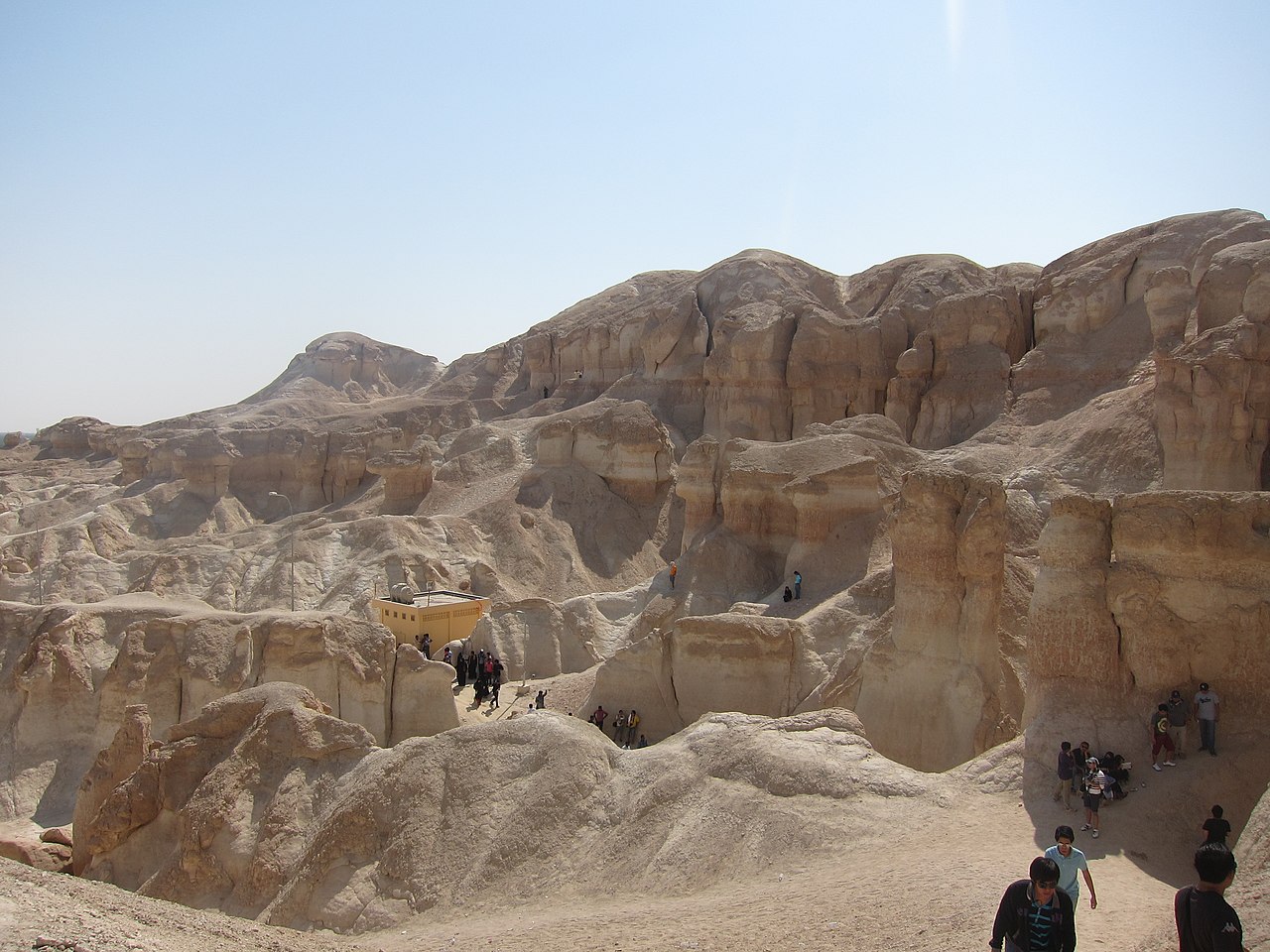
Al-Ahsa, also spelled Al-Hasa or El Hasa, is a historic oasis region in eastern Saudi Arabia located roughly 60 km inland from the Persian Gulf. Its approximate coordinates are given at 25°25′46″N 49°37′19″E. The oasis sits within the modern Eastern Province and forms the agricultural and cultural heart of the larger Al-Ahsa Governorate and its principal towns.
Image gallery
7 Images



Key characteristics
Al-Ahsa is widely cited as one of the world’s largest natural oases. Covering an area of about 85.4 km2, it supports an extraordinary concentration of palms and year-round cultivation thanks to groundwater and numerous natural springs. Important physical features include a vast underground aquifer and more than 280 artesian springs that historically supplied irrigation and domestic water to settlements that otherwise lie within a sandy desert environment.
- Palm and date cultivation: the area contains a very large number of palms, including millions of trees and extensive date palm groves that form the backbone of local agriculture and food culture; see also palm tree references.
- Water sources: fed by a deep underground aquifer and many natural springs, the landscape is irrigated even in an otherwise sandy desert.
- Springs: more than 280 artesian springs have been recorded as part of the oasis water system.
History and regional context
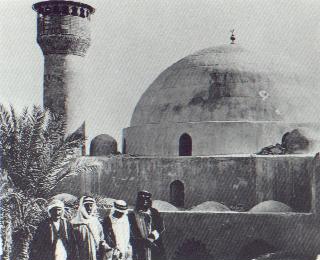
Historically Al-Ahsa formed part of the coastal and near-coastal region known as Al-Bahrayn (a geographical term once referring to parts of the eastern Arabian Peninsula) and its fortunes have been linked to trade across the Gulf. For centuries the area had close connections with the island of Awal, now modern-day Bahrain, and it borders the territory adjacent to Oman. The long human presence is evident in fortified sites and old mosques that sit among date groves and town quarters.
Uses, society and cultural importance
Al-Ahsa’s fertile lands have supported settlement, date production and market agriculture for generations. The oasis has particular local importance as a centre of agriculture in eastern Arabia and hosts a diverse society: it contains one of the larger communities of Shia Muslims within predominantly Sunni Saudi Arabia. Traditional water management and irrigation networks, combined with modern wells and pumps, sustain year-round cultivation and local economies.
Conservation, tourism and notable facts
In recognition of its cultural landscape and historic irrigation systems, Al-Ahsa was inscribed on the UNESCO World Heritage List in 2018. The oasis attracts visitors to its date markets, historic buildings and archaeological sites. Contemporary challenges include urban expansion, changes in groundwater use and the need to preserve traditional farming plots. Preservation efforts emphasize sustainable water use and protection of cultural sites while supporting the local economy.
For maps and geographic references see coordinates and regional summaries at oasis and Saudi Arabia overview pages. Additional local context and resources are available through regional links: Persian Gulf, eastern Arabian Peninsula, Oman border, Bahrain, community and demographic notes at Shia communities and Sunni-majority contexts, and natural resource topics at palms, date palms, aquifers, irrigation, springs and desert.
Questions and answers
Q: Where is Al-Ahsa located?
A: Al-Ahsa is located in eastern Saudi Arabia, about 60 km inland from the Persian Gulf.
Q: Which historical region does Al-Ahsa belong to?
A: Al-Ahsa belongs to the historical region known as Al-Bahrayn, which includes the eastern coast of the Arabian Peninsula down to the borders of Oman and the island of Awal (modern-day Bahrain).
Q: What is the significance of Al-Hasa in Saudi Arabia?
A: Al-Hasa is significant because it has one of the largest numbers of Shia Muslims in mostly Sunni Saudi Arabia.
Q: How large is the Al-Ahsa Oasis?
A: The Al-Ahsa Oasis is around 85.4 km2 (33.0 sq mi), making it the largest oasis in the world.
Q: What types of trees are found in the Al-Ahsa Oasis?
A: The Al-Ahsa Oasis has more than 2.5 million palm trees including date palms.
Q: How is the Al-Ahsa Oasis irrigated?
A: The Al-Ahsa Oasis is irrigated by the flow of more than 280 artesian springs, which allows agriculture all year round in a region that is otherwise a sand desert.
Q: What type of water source feeds the Al-Ahsa Oasis?
A: The Al-Ahsa Oasis is fed by a huge underground aquifer.
Related articles
Author
AlegsaOnline.com Al-Ahsa Oasis (Al-Hasa) — large historic oasis in eastern Saudi Arabia Leandro Alegsa
URL: https://en.alegsaonline.com/art/1870