
ChalkZone — animated series and its world of living drawings
ChalkZone is an American animated series about a boy who discovers magic chalk that lets him enter a hidden world where erased drawings live and come to life.
ChalkZone is an American animated television series built on a single imaginative premise: a young boy can access a parallel realm populated by chalk drawings. The show blends adventure, comedy and a strong emphasis on creativity, using the idea of living art to explore friendship, responsibility and problem solving. It originally appeared on Nickelodeon in the early 2000s and attracted attention for its distinctive concept and playful protagonists.
Image gallery
2 Images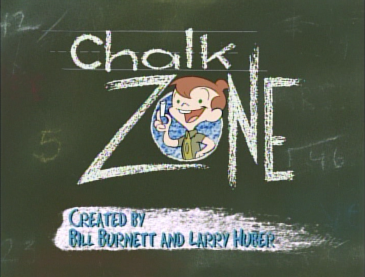

Premise and rules
The central conceit is simple. When the protagonist draws with a particular piece of magic chalk, he can open a passage to the Chalk Zone, a hidden world where anything drawn with chalk — especially things erased from classroom blackboards and sidewalks — continues to exist. Objects and characters behave as drawings: they can be altered, animated, or undone depending on how the chalk is used. The series establishes consistent internal rules about what can be brought into the real world and what must remain within Chalk Zone, and many episodes revolve around the consequences of changing or misusing creations.
Major characters
- Rudy — the child protagonist whose curiosity and artistic skill drive the stories.
- Penny — a friend and frequent companion who helps ground Rudy and offers clever solutions.
- Snap — a fast-talking, animated creation from Rudy's chalk who acts as comic relief, ally, and sometimes conscience.
- Antagonists and other inhabitants of Chalk Zone — a rotating cast of villains, creatures and accidental creations that present challenges and teach lessons.
Production and broadcast
The series was created by television writers and producers who combined traditional hand-drawn animation with the imaginative concept of a world made of chalk. It aired on Nickelodeon and reached audiences through regular episodes, occasional specials, and home media releases. For background on the show's development and broadcast history see production notes and general guides to animated television series.
Themes, style and reception
ChalkZone emphasizes creativity, the value of art, and the idea that imagination carries responsibilities. Episodes often explore ethical questions — for example, whether it is right to alter someone else's creation — and use humor to make lessons accessible to younger viewers. The visual style plays up the contrast between the ordinary world and the colorful, sometimes chaotic Chalk Zone, and recurring motifs include erasure, revision, and the fragile permanence of drawings.
Legacy and notable facts
While primarily aimed at children, the series has been noted for its inventive premise and for encouraging artistic play. It spawned fan interest, occasional merchandise and remains a frequently cited example of children’s programming that literalizes creativity. More information on the concept and episodes can be found via related fan and reference pages about ChalkZone.
The show's combination of whimsy and clear internal logic makes it a useful touchstone for discussions about how fiction treats creation and authorship, as well as a memorable entry in early-2000s animation aimed at young audiences.
Questions and answers
Q: What is ChalkZone?
A: ChalkZone is an American animated television series.
Q: Who is the protagonist of ChalkZone?
A: The protagonist of ChalkZone is a boy named Rudy.
Q: What does Rudy have?
A: Rudy has magic chalk.
Q: What happens when Rudy draws on the board with the magic chalk?
A: When Rudy draws on the board with the magic chalk, it lets him go to a chalk world called Chalk Zone.
Q: Does whatever Rudy draws in the chalk world come to life?
A: Yes, whatever Rudy draws on the chalk board or in Chalk Zone comes to life.
Q: Is ChalkZone a popular TV show?
A: Yes, ChalkZone is a popular TV show.
Q: What is the unique aspect of ChalkZone?
A: The unique aspect of ChalkZone is that it is about a chalk world where whatever is drawn comes to life.
Related articles
Author
AlegsaOnline.com ChalkZone — animated series and its world of living drawings Leandro Alegsa
URL: https://en.alegsaonline.com/art/18389