
Cercopithecinae: the cheek‑pouched Old World monkeys
Cercopithecinae are a subfamily of Old World monkeys — about 12 genera and 70–75 species — including baboons, macaques and vervet monkeys, notable for cheek pouches and varied diets and habitats.
Overview
The Cercopithecinae are a major subfamily of Old World monkeys. They include roughly 12 genera and about 71 recognized species, a diversity often summarized as "around a dozen genera and some seventy species" (taxonomic summary). Members of this group range from large, terrestrial forms to small, arboreal species and are among the best known nonhuman primates.
Image gallery
5 Images

Characteristics
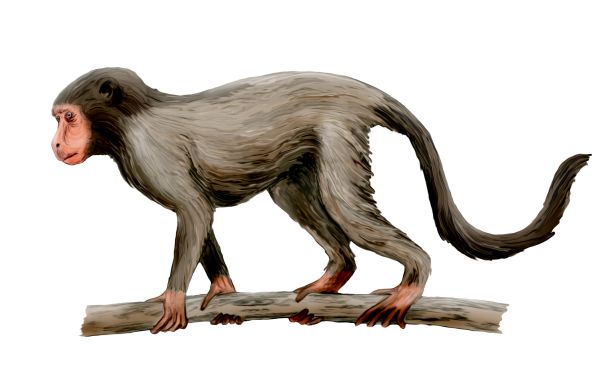
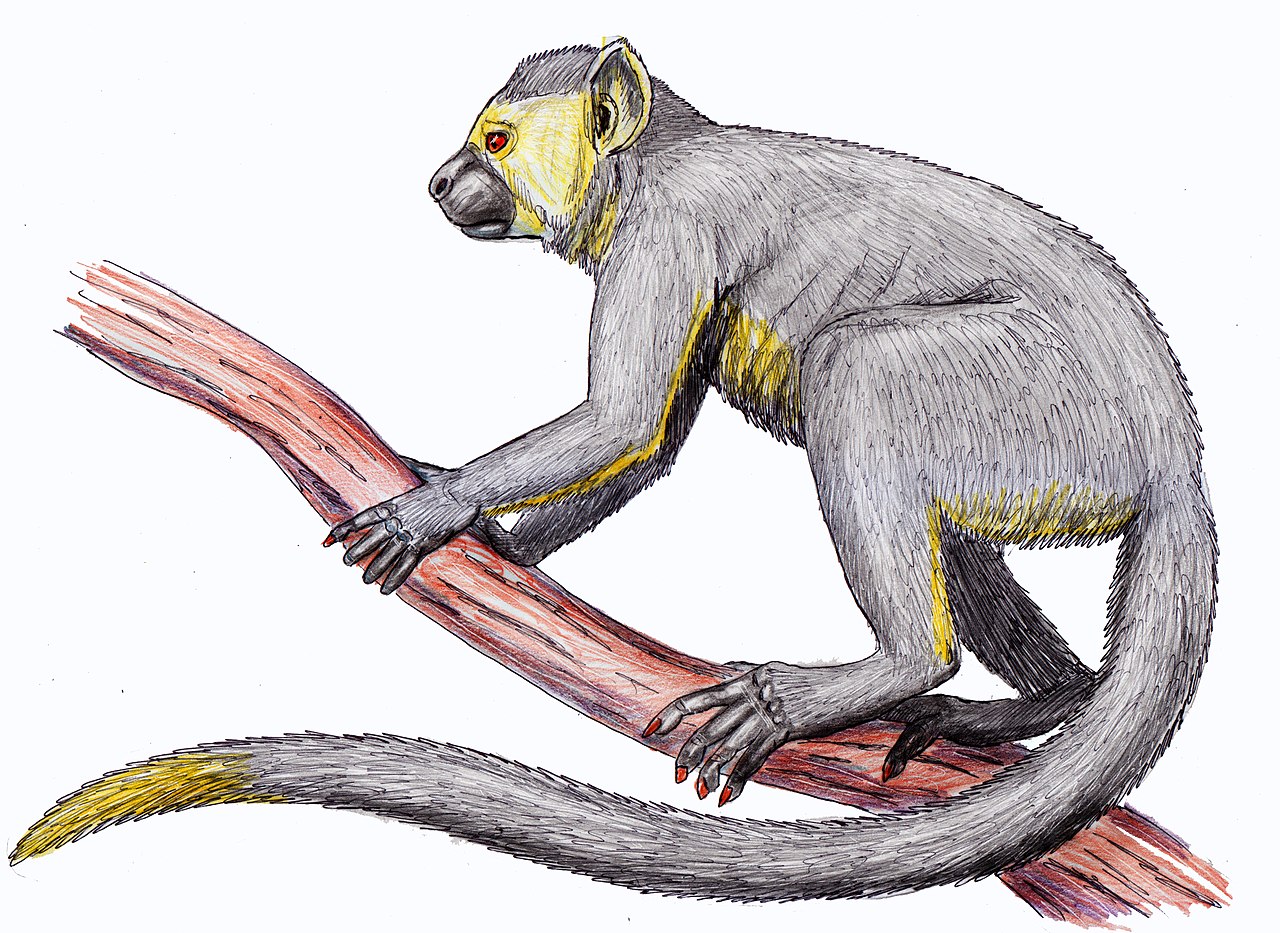
Cercopithecines share a set of physical and behavioral traits that distinguish them from other primate groups. Many species possess expandable cheek pouches used to store food temporarily. Dentition and limb proportions vary with diet and locomotion, but overall they tend to have robust bodies, relatively short tails (or long tails in some), and forward-facing eyes. Compared with the leaf‑eating Colobinae, cercopithecines are generally more omnivorous and have simpler stomachs.
Representative genera and species
- Baboons (Papio and related genera) — large, mostly terrestrial primates.
- Macaques (Macaca) — widespread, adaptable monkeys found in Asia and parts of Africa and Europe.
- Vervet monkeys (Chlorocebus and allies) — medium‑sized, social African monkeys.
Distribution and evolution
The subfamily is primarily African in its modern distribution; most species occur south of the Sahara, with many concentrated in woodlands, savannas and forest edges (sub‑Saharan Africa). Macaques have an expanded range that reaches into eastern Asia and North Africa, and a small population even persists at the southern edge of Europe, notably at Gibraltar. Some macaque species also occur in parts of northern Africa. Fossil and molecular evidence indicate cercopithecines diverged from other Old World primates during the Miocene, followed by radiation into the modern genera.
Behavior, ecology and importance
Cercopithecines exhibit complex social systems, ranging from large, hierarchical troops to smaller family groups. Diets are flexible and can include fruit, leaves, seeds, insects and small vertebrates. Their adaptability makes several species successful in human‑altered landscapes, which has led to both conflict and opportunities for behavioral study. They are important in ecological roles as seed dispersers and as prey for large predators, and they are widely used in biomedical and behavioral research (ethical concerns accompany such use).
Notable distinctions and conservation
Key distinctions within the Old World monkeys include the cercopithecine adaptations for varied diets and the presence of cheek pouches in many species. Conservation status varies: some taxa are abundant and synanthropic, while others face habitat loss, hunting, and population decline. Understanding their taxonomy, ecology and human interactions remains central to primate conservation and to studies of primate evolution and behavior. Further reading: classification overview, species lists, and regional resources for African and Asian populations.
Questions and answers
Q: How many genera are there in the Cercopithecinae subfamily?
A: There are 12 genera in the Cercopithecinae subfamily.
Q: What kind of monkeys belong to the Cercopithecinae subfamily?
A: Baboons, macaques, and vervet monkeys belong to the Cercopithecinae subfamily.
Q: How many species are in the Cercopithecinae subfamily?
A: There are about 71 species in the Cercopithecinae subfamily.
Q: Where do most Cercopithecinae monkeys live?
A: Most Cercopithecinae monkeys live in sub-Saharan Africa.
Q: What is the range of the macaques?
A: The macaques range from the far eastern parts of Asia through northern Africa and Gibraltar.
Q: Are the Cercopithecinae subfamily monkeys only found in one continent?
A: No, Cercopithecinae subfamily monkeys are found in both Africa and Asia.
Q: Why are the Cercopithecinae subfamily monkeys important?
A: The Cercopithecinae subfamily monkeys are important because they are a diverse group of Old World monkeys with a wide range of behaviors and adaptations to different environments.
Related articles
Author
AlegsaOnline.com Cercopithecinae: the cheek‑pouched Old World monkeys Leandro Alegsa
URL: https://en.alegsaonline.com/art/18162
Sources
- monkeybuiznezz.wordpress.com : "Ischial callosities"
- zoology.wisc.edu : zoology.wisc.edu