
Ceratosauria: overview of an early-diverging group of theropod dinosaurs
Ceratosauria are a clade of theropod dinosaurs defined by closer kinship to Ceratosaurus than to birds. They include diverse forms from the Middle Jurassic to Late Cretaceous, notable for skull ornamentation and limb changes.
Overview
Ceratosauria is a clade of carnivorous theropod dinosaurs traditionally defined as all theropods more closely related to Ceratosaurus than to modern birds. Fossils attributed to this group appear from the Middle Jurassic onward and persist through much of the Cretaceous. The group includes a variety of body plans, from lightly built, long-legged forms to short-armed, robust predators, and has been important in studies of dinosaur biogeography, functional anatomy and faunal change over time.
Image gallery
10 Images




Diagnostic features and anatomy
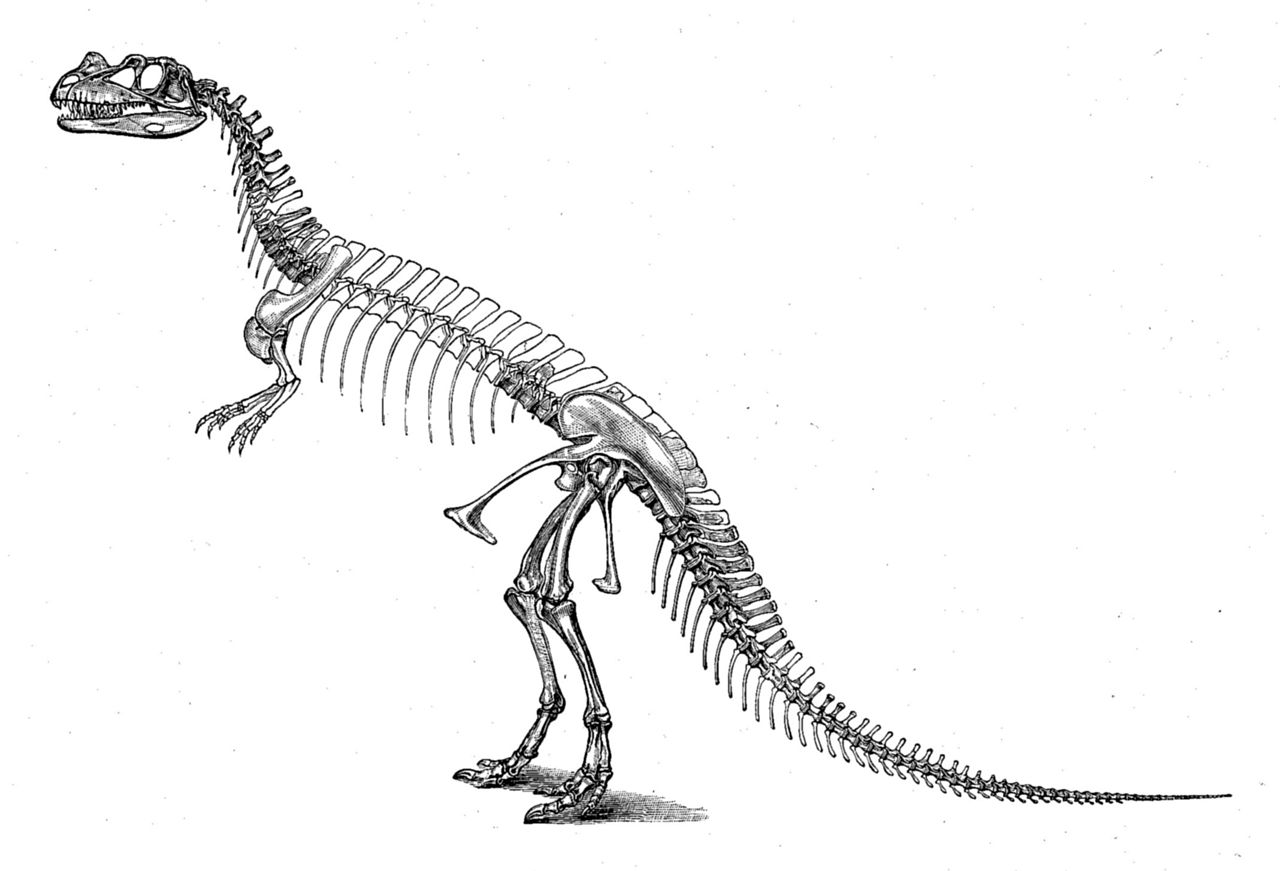
Ceratosaurian anatomy is recognizable by a combination of characters in the skull, vertebral column and limbs rather than a single obvious trait. Many members show cranial ornamentation such as bosses, ridges or small horns, often interpreted as display structures. In derived lineages, especially the abelisaurids, the forelimbs are markedly reduced with a shortened humerus and compact, reduced hands. Other features used to diagnose ceratosaurs include specific shapes of the skull roof and palate, details of the pelvis, and certain vertebral characters, but these vary among subgroups.
Major subgroups and notable genera
The group includes several well known genera that illustrate its diversity. The type and namesake Ceratosaurus is a Late Jurassic predator described from North America and Europe. Elaphrosaurus is a lightly built form known from African deposits and interpreted as more gracile and cursorial. The primarily Gondwanan abelisaurids, represented by genera such as Abelisaurus, show extreme skull reinforcement and forelimb reduction. Smaller relatives commonly grouped as noasaurids add to the ecological range of the clade.
Fossil record and earliest occurrences
Early ceratosaur fossils are recorded from Middle Jurassic deposits; a notable early taxon is Eoabelisaurus from Patagonia, which preserves anatomy interpreted as the initial stages of the forelimb reduction seen in later abelisaurids. Ceratosaur remains are known from both Gondwanan continents (South America, Africa, India and Madagascar) and Laurasian localities, though the composition of regional faunas varies through time.
Evolutionary history and timing
Modern phylogenetic analyses define Ceratosauria as a distinct lineage of theropods that branched off before the major radiation leading to birds. Earlier hypotheses had also included very early theropods such as Coelophysis and taxa like Dilophosaurus within a broadly defined ceratosaur assemblage, which would imply an earlier divergence. Subsequent work generally places coelophysoids and dilophosaurids outside Ceratosauria, restricting the group to forms more closely related to Ceratosaurus and its relatives.
Geographic distribution
Ceratosaurs have a fossil record spanning both southern and northern landmasses, but many well-known late Mesozoic representatives are from the southern continents that made up Gondwana. This distribution has led to interest in how continental breakup and provincial ecosystems influenced ceratosaur evolution and diversity. Important geographical and stratigraphic contexts include the Middle Jurassic deposits of Patagonia and various Late Jurassic and Cretaceous sites across Gondwana and Laurasia.
Paleobiology and ecology
Members of Ceratosauria occupied diverse ecological roles. Some, like large abelisaurids, appear to have been top predators in their ecosystems, while smaller noasaurids and gracile forms occupied other niches. Skull form and dentition vary, suggesting differences in prey choice and feeding mechanics. Cranial ornamentation in some taxa is commonly interpreted as a display feature with a potential role in species recognition or sexual selection, though direct behavioral evidence is lacking.
History of research and classification
The concept of Ceratosauria has evolved with new discoveries and analytical methods. Classic fossil finds from the Late Jurassic established the group, but later Jurassic and Cretaceous discoveries, especially from the southern continents, expanded its known diversity. Phylogenetic revisions have refined which taxa belong in Ceratosauria and clarified relationships among its subgroups, with continuing debate about some early-branching forms and the precise timing of divergences.
Open questions and ongoing research
Key questions include the early biogeographic history of the clade, the functional drivers of pronounced forelimb reduction in some lineages, and the tempo of diversification across the Jurassic and Cretaceous. New fossil finds, better-dated sequences, and improved phylogenetic methods continue to refine the picture. Specialists also investigate growth patterns, soft-tissue inferences from bone surface textures, and microstructural studies to infer life history.
Further reading and links
For concise introductions and deeper treatments consult general theropod summaries and taxon- or region-specific literature. Relevant topics and anchors in this article:
- Theropod (general information)
- Upper Jurassic (time interval)
- Upper Cretaceous (time interval)
- Southern Hemisphere occurrences
- Middle Jurassic (time interval)
- Patagonia (important locality)
- Upper Triassic (time interval)
- Lower Jurassic (time interval)
- Coelophysis
- Dilophosaurus
- Eoabelisaurus
- Elaphrosaurus
- Abelisaurus
- Ceratosaurus
Readers seeking technical treatments should consult specialist reviews and primary literature for detailed character lists and phylogenetic analyses. Museum collections and reputable online resources associated with the taxa and intervals listed above provide accessible starting points for further exploration.
Questions and answers
Q: What are ceratosaurs?
A: Ceratosaurs are a group of theropod dinosaurs.
Q: How are ceratosaurs defined?
A: Ceratosaurs are defined as "all theropods sharing a more recent common ancestry with Ceratosaurus than with birds".
Q: Which theropods are included in Ceratosauria?
A: Ceratosauria includes the Upper Jurassic to Upper Cretaceous theropods Ceratosaurus, Elaphrosaurus and Abelisaurus, found mainly in the southern hemisphere.
Q: What is the earliest known ceratosaur?
A: The earliest known ceratosaur is Eoabelisaurus from the Middle Jurassic of Patagonia.
Q: What does the almost complete Eoabelisaurus skeleton reveal?
A: The almost complete skeleton of Eoabelisaurus shows the earliest evolutionary stages of the distinctive abelisaurid modification of the forelimb.
Q: Which theropods were originally included in Ceratosauria but later excluded?
A: Originally, Ceratosauria included the Upper Triassic to Lower Jurassic Coelophysis and Dilophosaurus, but recent studies have shown that they do not form a natural group with other ceratosaurs, and so they are excluded from this group.
Q: In which hemisphere are the ceratosaurs mainly found?
A: The ceratosaurs are mainly found in the southern hemisphere.
Related articles
Author
AlegsaOnline.com Ceratosauria: overview of an early-diverging group of theropod dinosaurs Leandro Alegsa
URL: https://en.alegsaonline.com/art/18159
Sources
- rspb.royalsocietypublishing.org : rspb.royalsocietypublishing.org/content/early/2012/05/17/rspb.2012.0660.full