
Centre Region (Cameroon)
Administrative region of Cameroon containing the national capital Yaoundé; known for its rivers, forested reserves, political importance and cultural diversity.
The Centre Region of Cameroon is a central administrative area that contains the country’s political capital. Its administrative and economic life is dominated by Yaoundé, which also serves as the national capital and hosts government ministries, foreign missions and major public institutions. The region links the coastal and northern parts of the country and plays a central role in national affairs.
Image gallery
10 Images



Geography and waterways
The landscape is a mix of humid forest, forest–savanna mosaic and agricultural land. The Sanaga River, the largest river in the region, is the main drainage artery and a key source for hydroelectric schemes and irrigation. Other important rivers include the Djérem, Lom and Nyong, which shape local ecosystems and provide water for communities and farms.
Environment and conservation
Parts of the Centre Region remain forested and support significant wildlife. Protected areas such as the Mfou Reserve conserve habitats for many species and serve research and education purposes. The reserve is noted for its avian life — see birds — as well as primates and other fauna; it shelters several monkey species and a variety of snake species alongside other mammals and plants.
History and administration
The region’s present administrative identity emerged during the 20th century as colonial and post‑colonial governments organized territories into provinces and later regions. Today the Centre Region is subdivided into departments and communes that manage local services, urban planning and rural development. Yaoundé functions as the political hub while regional authorities coordinate development programs.
Economy, transport and society
A diverse economy combines public administration, services, trade, agriculture and forestry. Cash crops and subsistence farming are common outside urban areas, while Yaoundé concentrates tertiary employment, education and healthcare. Transport networks include major roads radiating from Yaoundé, rail connections and an airport serving national and regional traffic.
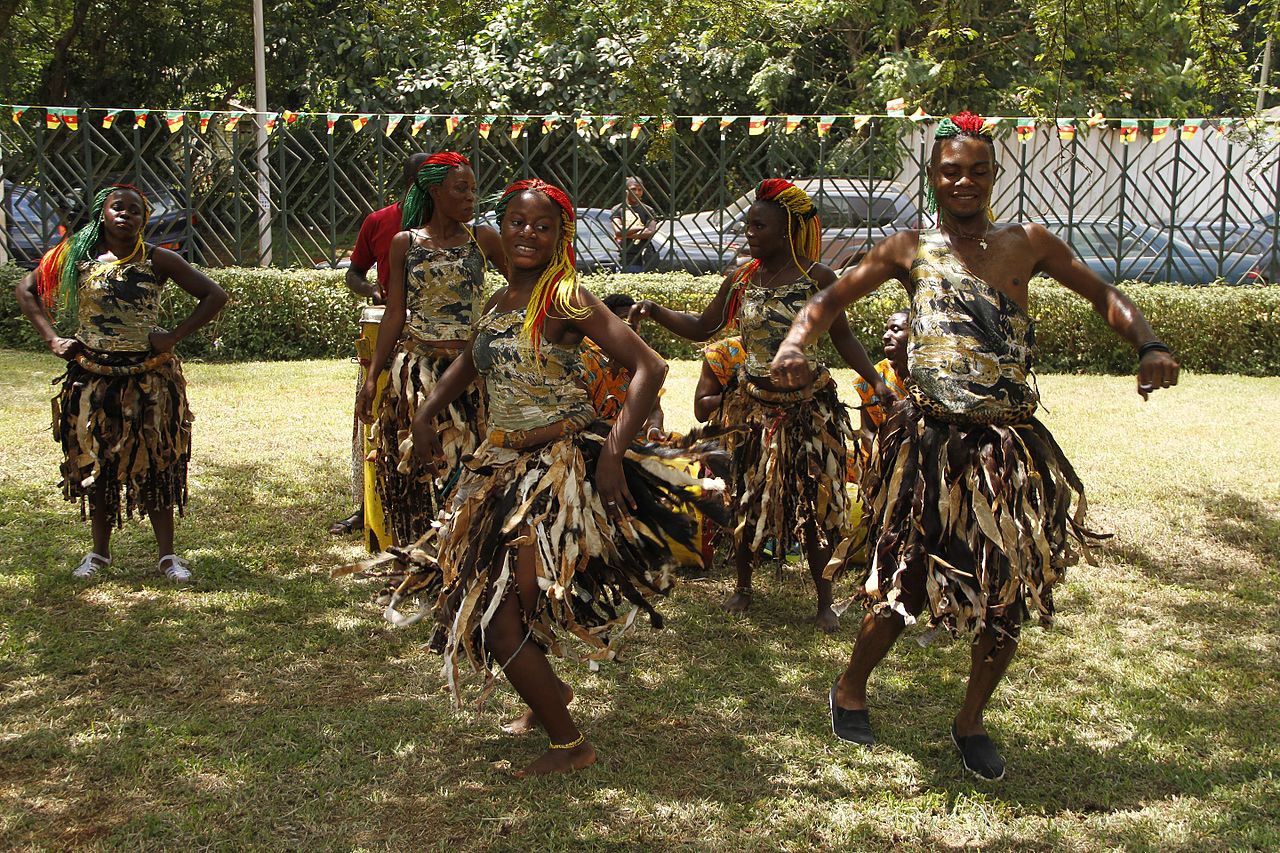
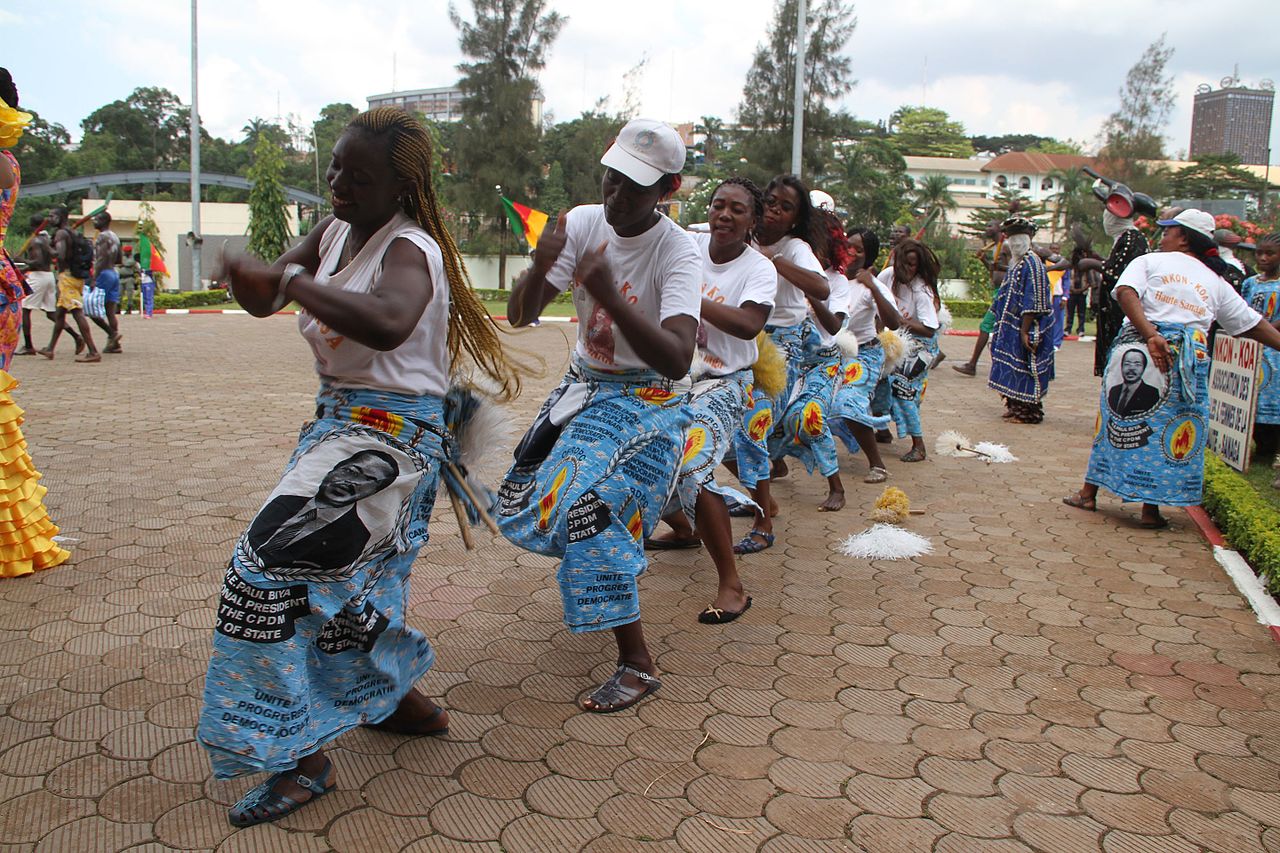
Its population is ethnically and linguistically diverse; several groups with distinct languages and customs live in the region, contributing to vibrant urban and rural cultures. The Centre Region’s strategic location, political significance and biological richness make it an important part of Cameroon’s national landscape.
For official information and further reading consult regional sources and administrative portals: Yaoundé and national capital resources.
Questions and answers
Q: What is the Centre Region?
A: The Centre Region is a region located in Cameroon.
Q: Which city is the capital of the Centre Region?
A: The capital city of the Centre Region is Yaoundé.
Q: What is the importance of the Sanaga River in the Centre Region?
A: The Sanaga River is the most important river in the Centre Region.
Q: Name some other rivers in the Centre Region.
A: Other rivers in the Centre Region are the Djérem, Lom, and Nyong.
Q: What is the Mfou Reserve and its significance?
A: The Mfou Reserve is a protected area in the Centre Region that safeguards various bird, monkey, and snake species.
Q: What type of species are present in the Mfou Reserve?
A: Various bird, monkey, and snake species are present in the Mfou Reserve.
Q: Is Yaoundé the national capital of Cameroon?
A: Yes, Yaoundé is not only the capital city of the Centre Region but is also the national capital of Cameroon.
Related articles
Author
AlegsaOnline.com Centre Region (Cameroon) Leandro Alegsa
URL: https://en.alegsaonline.com/art/18111
Sources
- citypopulation.de : citypopulation.de/en/cameroon/cities/