
Center for Strategic and International Studies (CSIS): history, research, and influence
CSIS is a Washington, D.C.–based public policy research organization founded in 1962. It produces strategic analysis on international affairs, defense, economics, technology and energy and informs policymakers and the public.
Overview
The Center for Strategic and International Studies (CSIS) is a public policy research organization and think tank headquartered in Washington, D.C.. Since its founding in 1962 with ties to Georgetown University, CSIS has developed into a large, multidisciplinary institute that produces research, convenes experts, and offers policy recommendations on global affairs. Its work is aimed at government officials, corporate leaders, scholars and the public, and is disseminated through reports, commentary, events and testimony.
Image gallery
2 Images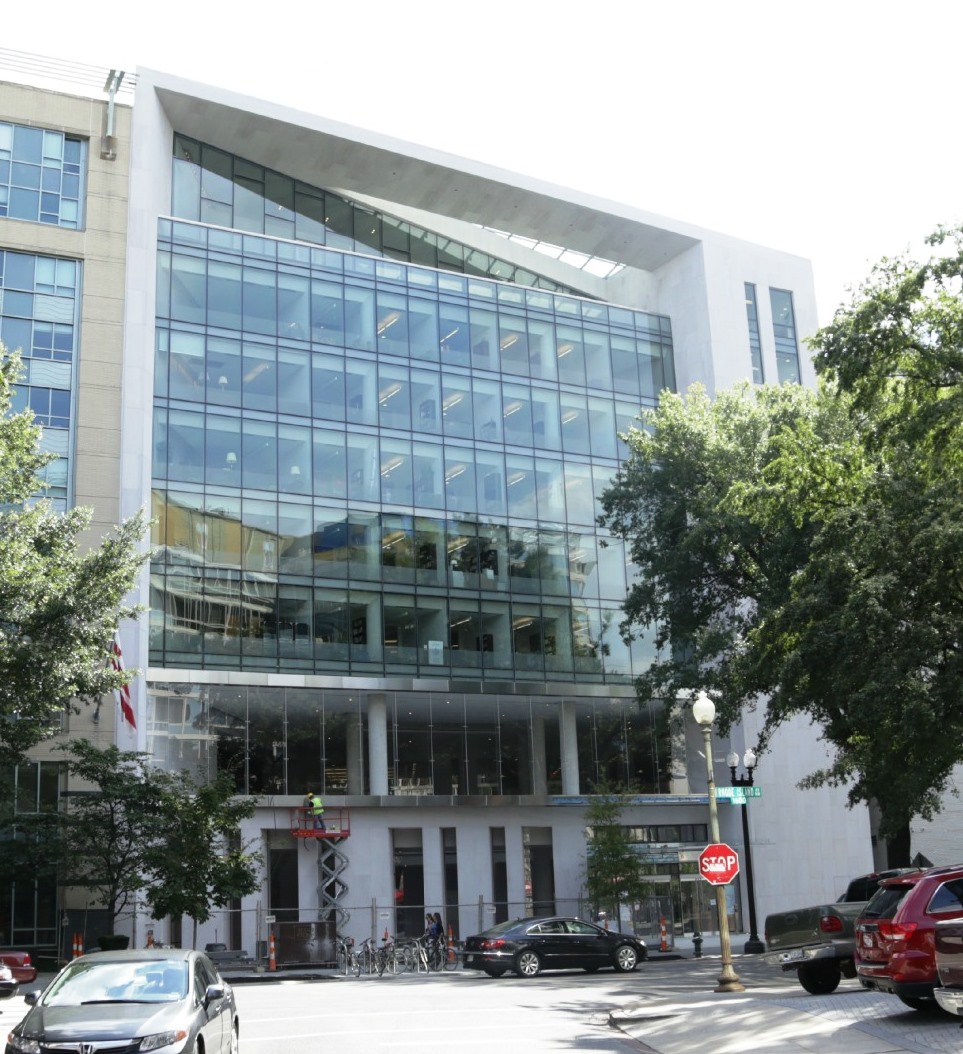

History and development
CSIS emerged during the Cold War era when strategic studies and international affairs became major areas of policy concern in the United States. Initially established as a center affiliated with a university, it later became an independent institution based in Washington. Over several decades, CSIS broadened its focus from classical defense and security questions to include economic policy, trade, technology, energy and global development. The center has housed former diplomats, military officers, public servants and academics who combine subject expertise with practical policy experience.
Organization and funding
The institution is organized into thematic programs and regional centers that coordinate research on areas such as security strategy, economic statecraft and technological competition. Funding comes from a mix of philanthropic contributions, foundation grants, corporate sponsorships and government contracts. CSIS identifies itself as nonpartisan and publishes information about supporters and programs to promote transparency, although observers and critics sometimes debate how funding relationships shape research priorities.
Research areas and programs
CSIS conducts research across a range of subjects. Prominent thematic areas include international relations and security; trade and economic policy; technology, cyber policy and innovation; finance and global markets; and energy, climate and geostrategy. Work is divided between regionally focused teams and global issue programs that regularly produce policy briefs, longer reports and expert commentary.
Methods, outputs and public engagement
CSIS employs a mix of qualitative analysis, quantitative research and scenario-based forecasting. Outputs include in-depth studies, short policy memos, data visualizations and multimedia content. The center hosts public panels, closed-door roundtables and workshops to convene policymakers, academics and industry representatives. Scholars at CSIS frequently testify before legislatures, brief senior officials and collaborate with partners abroad to translate analysis into actionable policy options.
Regional work and partnerships
Regional programs at CSIS examine developments in areas such as Europe, East Asia, South Asia, the Middle East, Africa and the Western Hemisphere. These programs monitor security dynamics, economic ties and governance trends, aiming to inform diplomatic strategy and defense planning. CSIS also partners with foreign institutions, multilateral organizations and think tanks to exchange research and expand its international reach.
Influence, recognition and critique
CSIS is frequently cited in media and policy circles and has been ranked among leading global think tanks. For instance, the University of Pennsylvania’s Global Go To Think Tanks Report has placed CSIS prominently in rankings for defense and national security; see commentary on such assessments here. Supporters highlight the center’s role in shaping debate and convening experts; critics raise questions about the relationships between think tanks, government and corporate funders and urge ongoing transparency in funding and methodology.
Role in contemporary policy debates
In the contemporary policy environment, CSIS addresses issues such as great-power competition, economic resiliency, supply-chain security, emerging technologies and energy transition. Its analyses seek to provide decision-makers with evidence-based options, while acknowledging uncertainty and the need to weigh trade-offs. By combining scholarly research with practitioner experience, CSIS aims to contribute to informed public debate and to the design of practicable policy responses.
Further information
Readers interested in CSIS programs, publications and event archives can consult the organization's resource pages and program descriptions for detailed material; many reports and briefings are available to the public through its website and event listings at CSIS resources and through program pages addressing specific regions and topics.
Questions and answers
Q: What is the Center for Strategic and International Studies (CSIS)?
A: The Center for Strategic and International Studies (CSIS) is a think tank in Washington, D.C., in the United States.
Q: When was CSIS created?
A: CSIS was created in 1962 as the "Center for Strategic and International Studies" of Georgetown University.
Q: What does CSIS do?
A: CSIS does policy studies and strategic analyses of political, economic and security issues throughout the world. They specifically focus on issues about international relations, trade, technology, finance, energy and geostrategy.
Q: In what categories did CSIS receive recognition in the University of Pennsylvania's 2019 Global Go To Think Tanks Report?
A: In the University of Pennsylvania's 2019 Global Go To Think Tanks Report, CSIS is ranked the number one think tank in the United States across all subjects, the "Top Defense and National Security Think Tank" in the world, and the 4th best think tank in the world overall.
Q: How many times has CSIS been named the number one think tank for Defense and National Security?
A: CSIS has been named the number one think tank for Defense and National Security every year since 2013.
Q: How is CSIS ranked compared to other think tanks?
A: CSIS has been named the 'Center of Excellence' and is ranked the 4th best think tank in the world overall.
Q: What is CSIS's area of expertise?
A: CSIS specifically focuses on issues about international relations, trade, technology, finance, energy and geostrategy.
Related articles
Author
AlegsaOnline.com Center for Strategic and International Studies (CSIS): history, research, and influence Leandro Alegsa
URL: https://en.alegsaonline.com/art/17971
Sources
- guidestar.org : Form 990: Return of Organization Exempt from Income Tax
- apps.irs.gov : Center for Strategic and International Studies Inc.
- csis.org : John J. Hamre
- csis.org : Thomas J. Pritzker
- bloomberg.com : "Company Overview of Center for Strategic and International Studies, Inc"
- charitynavigator.org : "The Center for Strategic and International Studies"
- news.syr.edu : "CSIS Named Number One Think Tank in the United States"
- repository.upenn.edu : "Global Go To Think Tanks Report"