
Census of Marine Life
A global, decade-long scientific program (2000–2010) that inventoried ocean life, compiled biodiversity data, and established lasting data resources for marine research and conservation.
Overview
The Census of Marine Life was an international scientific initiative that ran from 2000 to 2010 to improve knowledge of what lives in the oceans. Conceived as a coordinated effort among many institutions and nations, its aim was to document marine biodiversity across time and space, assemble data from diverse expeditions and historical records, and make results widely available to researchers, managers and the public. For summaries and project descriptions see project overview.
Image gallery
7 Images
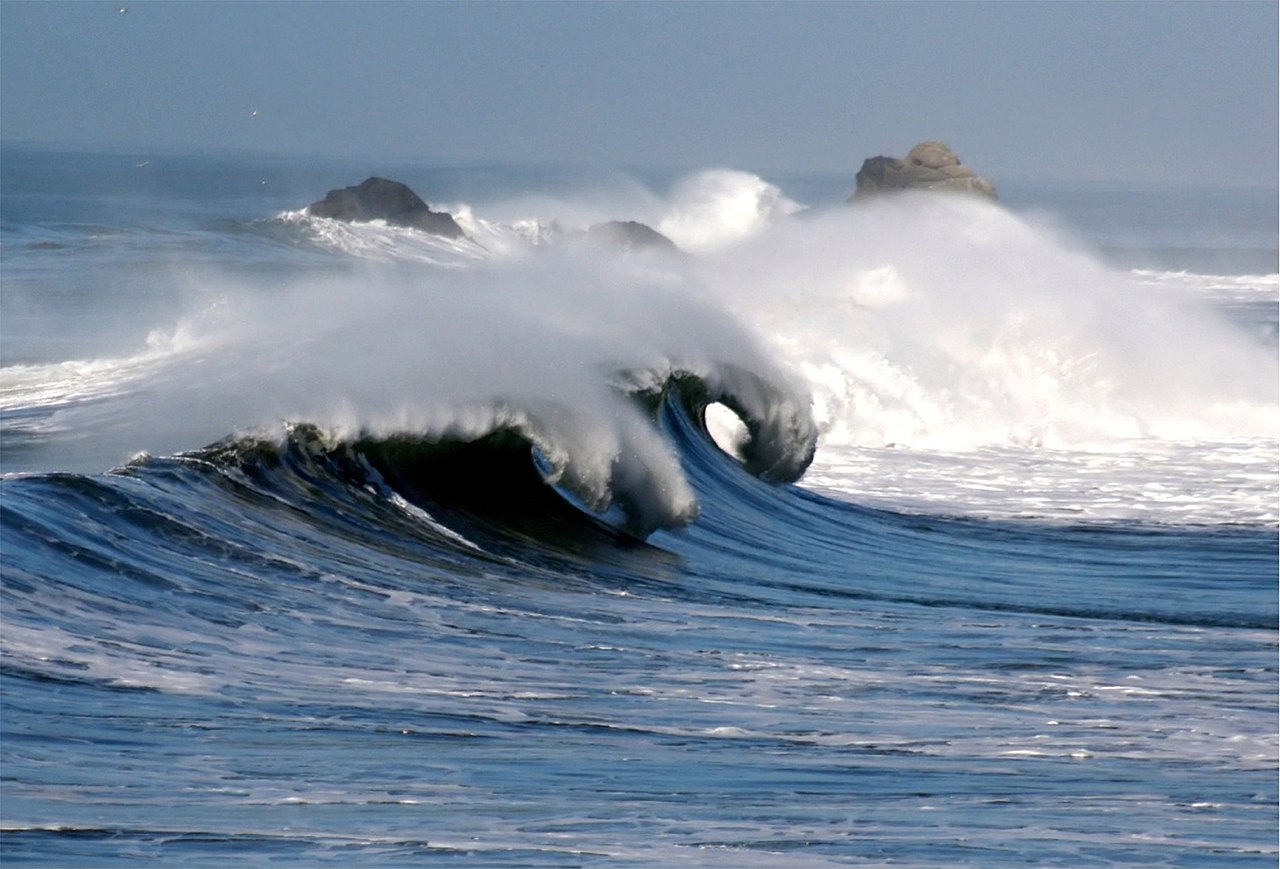
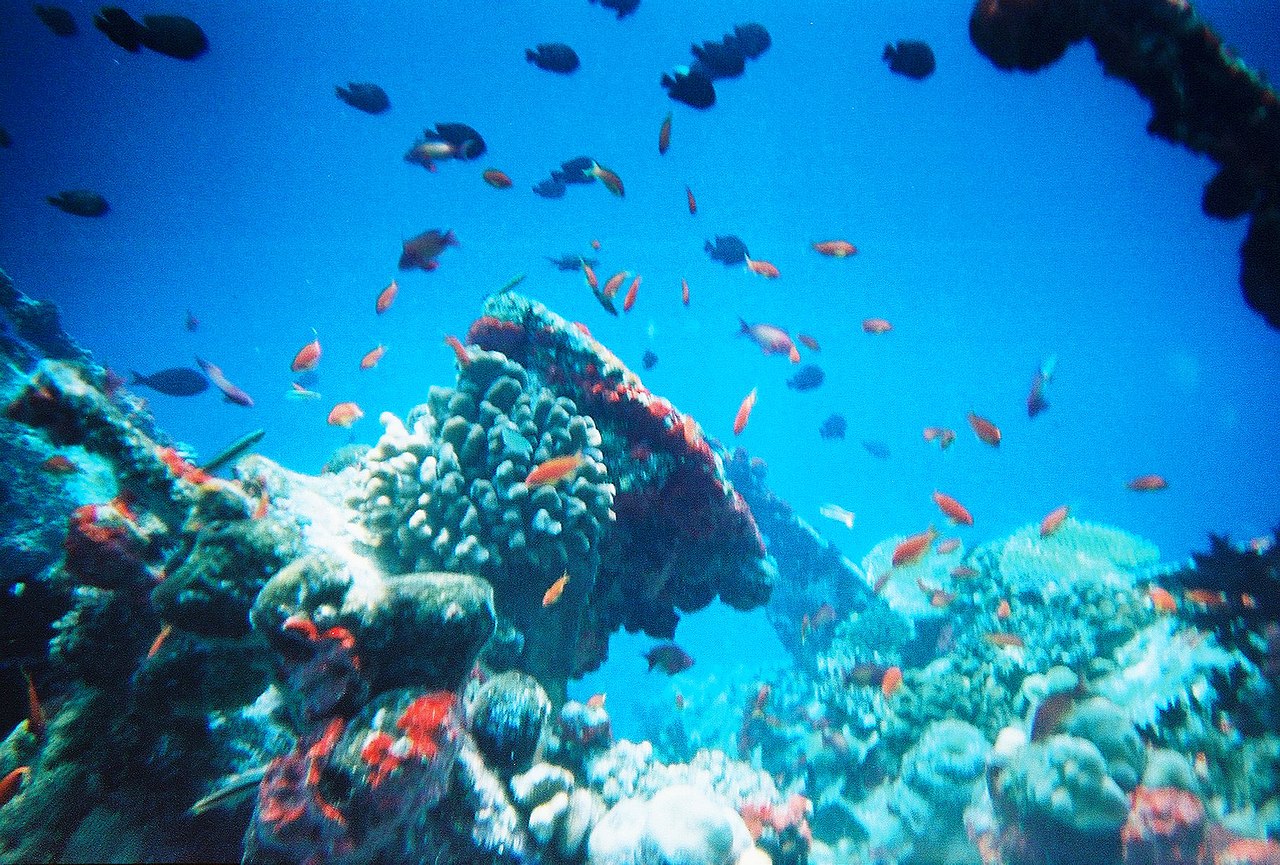


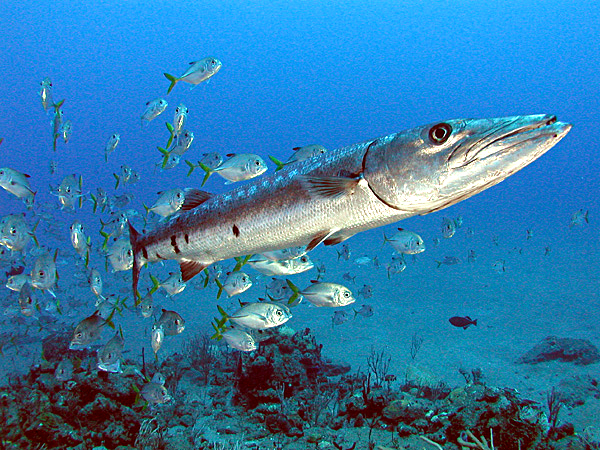
Organization and scope
More than seventy countries participated in the Census, which drew on thousands of scientists, observers and local experts. The program combined contemporary field sampling, analysis of historical archives and efforts to anticipate future research needs. Its funding came from many sources and amounted to a substantial global investment; a broad funding summary is available at funding and partners. Information on participating nations and partners can be found at participating nations.
Methods and structure
The work organized activities into complementary themes often summarized as Past, Present and Future: historical records and museum collections, contemporary surveys and targeted expeditions, and legacy projects to preserve and share the knowledge collected. Fieldwork applied a mix of traditional sampling, acoustic and photographic surveys, and molecular tools such as genetic identification to reveal cryptic diversity. The program emphasized open data and interoperable databases, notably building on and contributing to an ocean biogeographic data system; see data resources.
Results and examples
Outcomes included improved species inventories for many regions, discovery of numerous previously undescribed organisms, refined maps of species distributions and better understanding of ranges through time. Results were gathered into regional and thematic reports and synthesized for broader audiences. Selected project reports and scientific findings are collated in the program's compendium at results compendium.
Legacy and importance
Although the formal ten-year phase ended in 2010, the Census left lasting legacies: consolidated datasets, strengthened international networks, and a clearer baseline of ocean life against which future change can be measured. Its emphasis on open access data and coordination influenced subsequent marine biodiversity efforts. For institutional history and leadership information, see program history and notes on key founders and directors at leadership.
Notable facts and distinctions
- The Census combined thousands of surveys, museum studies and literature reviews to form one of the most comprehensive global marine biodiversity efforts to date.
- It fostered widespread data sharing and helped standardize methods for documenting marine life.
- Its findings continue to inform conservation planning, fisheries science and research on how marine ecosystems respond to environmental change.
Questions and answers
Q: What is the Census of Marine Life?
A: The Census of Marine Life was a ten-year survey of life in the oceans, starting in 2000.
Q: Who was the head of the Census of Marine Life?
A: Ron O'Dor of Dalhousie University in Halifax, Nova Scotia, Canada was the head of the Census of Marine Life.
Q: Where did the Census of Marine Life get its data from?
A: The Census of Marine Life used data from researchers all over the world.
Q: How many nations were involved in the Census of Marine Life?
A: More than 70 nations were involved in the Census of Marine Life.
Q: How much money was spent on the Census of Marine Life?
A: Over a billion US dollars were spent on the Census of Marine Life.
Q: Who founded the Census of Marine Life?
A: The Census of Marine Life was founded by J. Frederick Grassle.
Q: What was the purpose of the Census of Marine Life?
A: The purpose of the Census of Marine Life was to say what is alive in our seas and oceans.
Related articles
Author
AlegsaOnline.com Census of Marine Life Leandro Alegsa
URL: https://en.alegsaonline.com/art/17951