
Cellular Jail (Kala Pani) — Colonial prison in the Andaman Islands
Cellular Jail, commonly called Kala Pani, was a British colonial prison in the Andaman and Nicobar Islands where many Indian political prisoners were exiled; it is now preserved as a national memorial.
The Cellular Jail, popularly known as Kala Pani, was a penal institution established by the British in the remote Andaman and Nicobar Islands of India. Built to hold prisoners beyond the mainland, it became synonymous with solitary confinement and the deliberate isolation of convicts, especially those held for political reasons. Many inmates were sent there to be exiled and separated from support networks on the mainland.
Image gallery
10 Images
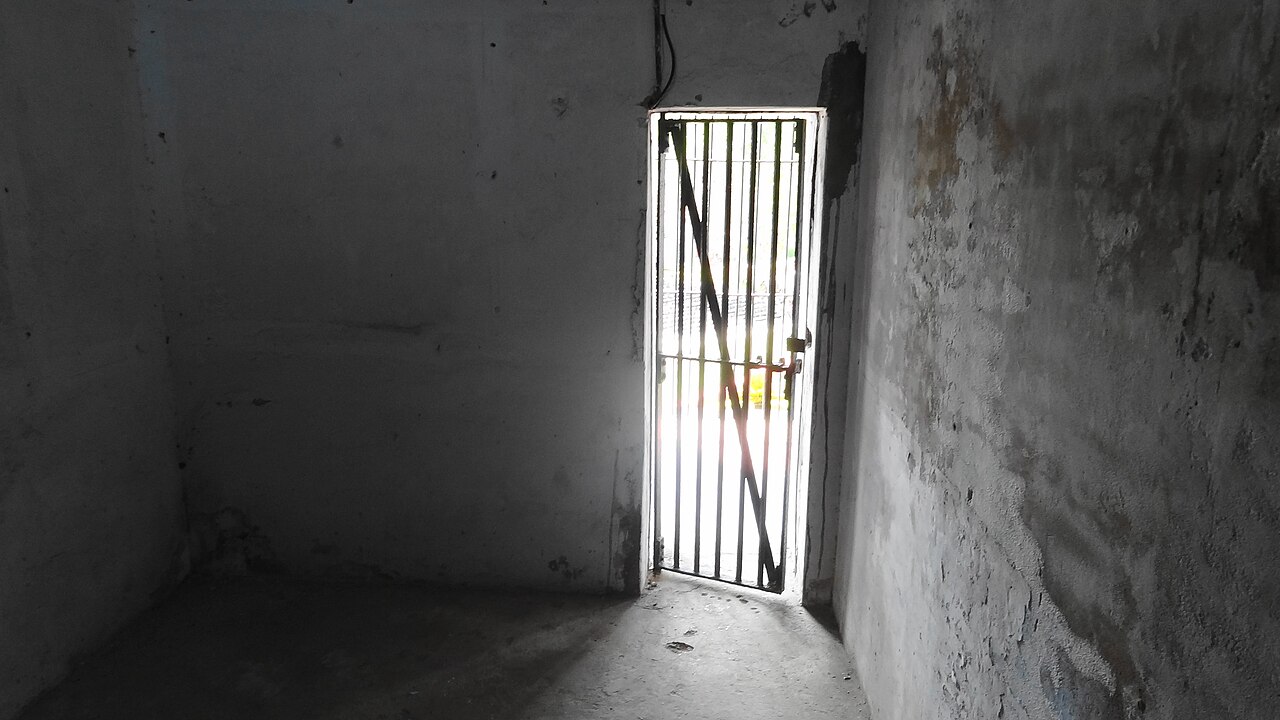


Design and conditions
The prison's architecture emphasized separation and surveillance. Cells were small and individual, arranged so that movement and communication between prisoners were severely restricted. A central watchtower allowed guards to monitor multiple wings at once. Discipline, forced labour and harsh routines were used to punish and discourage resistance. The combination of remoteness, climatic hardship and strict regimens made confinement at the Cellular Jail particularly severe.
History and notable prisoners
Constructed in the late 19th and early 20th centuries, the jail was a key instrument of colonial penal policy in a distant archipelago. During the Indian independence movement it held many prominent activists and revolutionaries. Notable names include Batukeshwar Dutt, Vinayak Damodar Savarkar and others who endured long sentences far from the mainland. The jail's use to detain those involved in the struggle for independence made it a potent symbol of colonial repression.
Legacy and present status
After India gained independence, the Cellular Jail was decommissioned as a prison and later preserved as a national memorial. The preserved complex, its cells and some of the guard structures are interpreted for visitors and scholars to convey the conditions inmates faced. Galleries and curated displays document personal stories, resistance activities and the broader context of colonial incarceration.
Importance and distinctions
As a historical site the Cellular Jail is significant for several reasons:
- It illustrates a colonial approach to punishment that relied on isolation and exile.
- It is a tangible reminder of sacrifices made by political prisoners during anti-colonial struggles.
- It continues to function as a focal point for remembrance, education and research on penal history and human rights.
Visitors and researchers approach the site both as a monument to suffering and as a place to study how architecture, geography and law were combined to control dissent. The story of the Cellular Jail thus connects local history in the Andaman islands to the larger narrative of colonialism and resistance in South Asia.
Further reading and resources are available through official sites and heritage bodies; for more context consult archives and museums that specialize in colonial history and the independence movement.
Questions and answers
Q: What is the Cellular Jail?
A: The Cellular Jail was a colonial prison in the Andaman and Nicobar Islands, India.
Q: What was the purpose of the Cellular Jail?
A: The prison was used by the British especially to exile political prisoners to the remote archipelago.
Q: What is the meaning of Kālā Pānī?
A: Kālā Pānī is a Hindi term meaning black waters.
Q: Who were some notable dissidents imprisoned at the Cellular Jail during India's struggle for independence?
A: Some notable dissidents imprisoned at the Cellular Jail during India's struggle for independence included Batukeshwar Dutt, Yogendra Shukla, and Vinayak Damodar Savarkar, among others.
Q: What is the current status of the Cellular Jail complex?
A: Today, the complex serves as a national memorial monument.
Q: Where is the Cellular Jail located?
A: The Cellular Jail is located in the Andaman and Nicobar Islands, India.
Q: Who used the Cellular Jail?
A: The Cellular Jail was used by the British.
Related articles
Author
AlegsaOnline.com Cellular Jail (Kala Pani) — Colonial prison in the Andaman Islands Leandro Alegsa
URL: https://en.alegsaonline.com/art/17909