
Çatalhöyük: Neolithic settlement and archaeological landmark
Çatalhöyük (Catal Huyuk) was a large Neolithic–Chalcolithic settlement in southern Anatolia, noted for dense mudbrick housing, rich art, burial practices and its importance to studies of early farming communities.
Çatalhöyük (often written Catal Huyuk) is one of the best preserved and most studied early farming settlements in the Near East. Occupied from the seventh to the sixth millennia BCE, it lies in southern Anatolia in what is today modern Turkey. Archaeologists describe it as a major Neolithic and early Chalcolithic site whose scale and preservation have provided detailed evidence about early sedentary life, craft production and symbolic behavior.
Image gallery
10 Images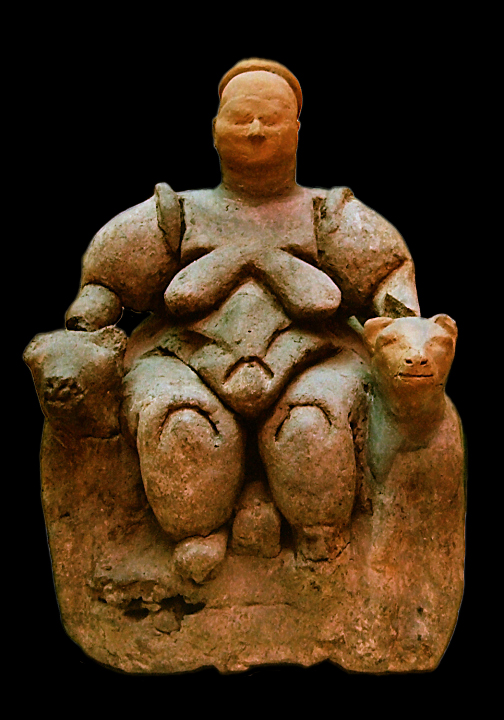


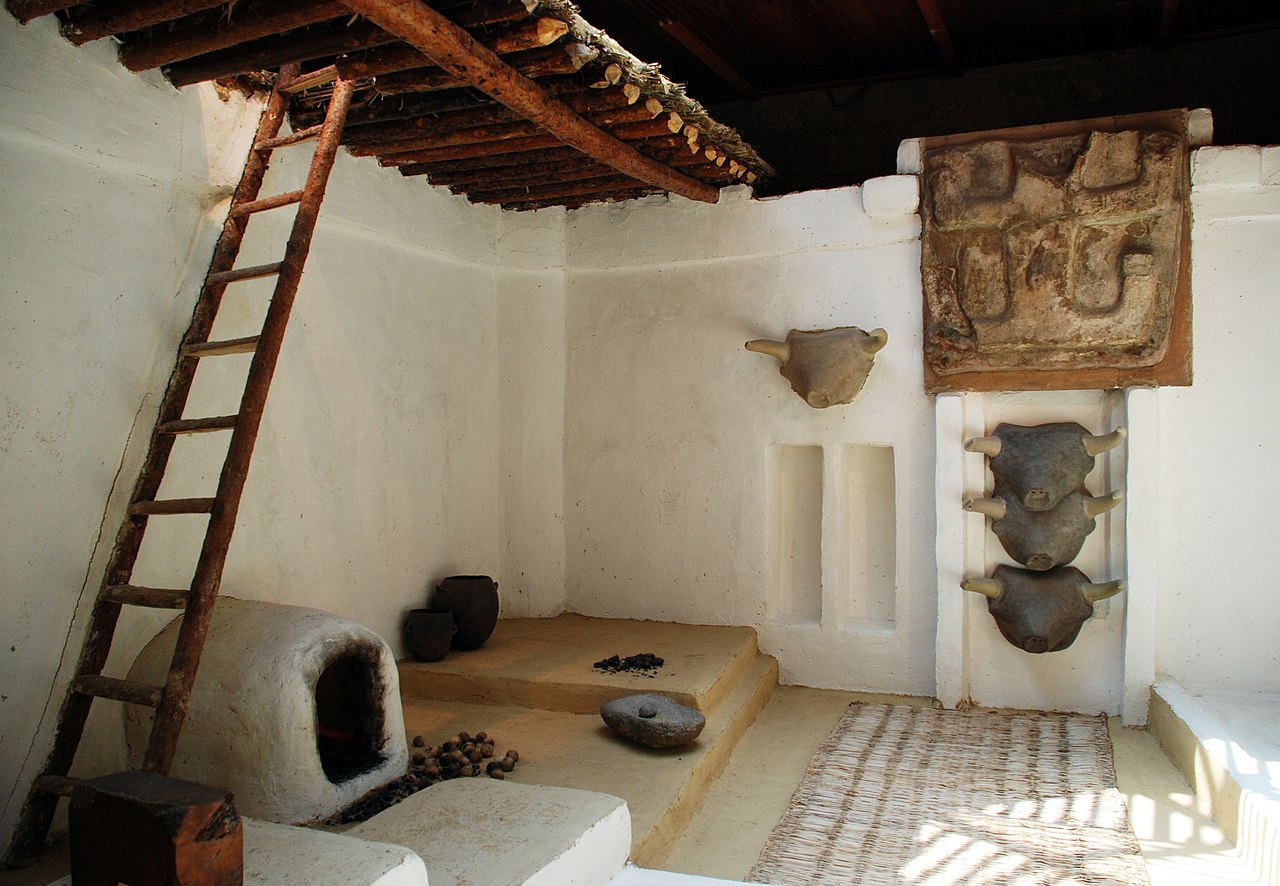

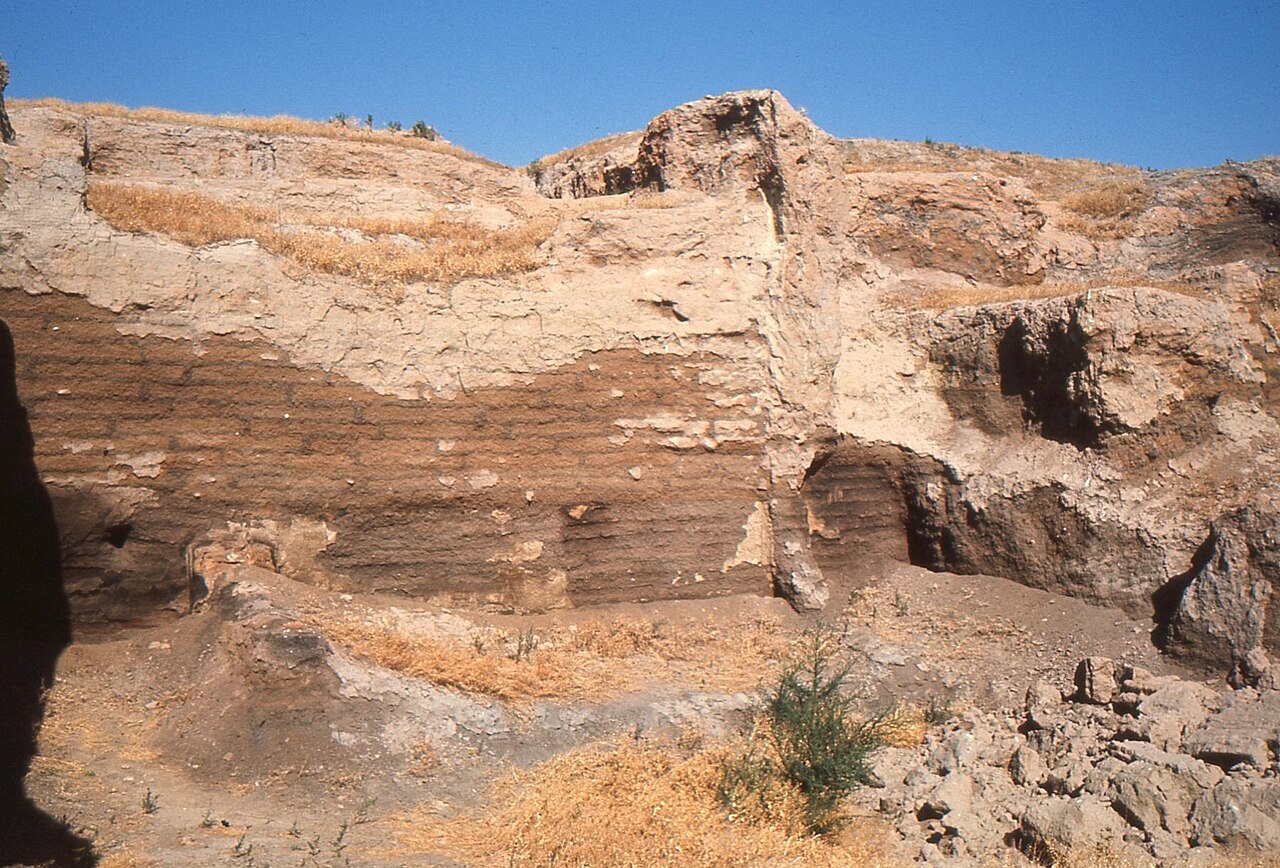
Layout, architecture and daily life
The settlement is characterised by densely packed, rectangular mudbrick houses sharing walls in a continuous cluster. There were effectively no streets between houses; movement was commonly across roofs and through roof entrances reached by ladders. Roofs often served as working platforms and household space (roofs and platforms). Interiors typically contained raised platforms for sleeping and storage, hearths, and niches for storage or display.
Economy, diet and material culture
Residents practised mixed farming and animal husbandry. Cultivated cereals such as wheat and barley, together with pulses and domesticated sheep, goats and cattle, formed the subsistence base. Craft specialisations included obsidian tool production, pottery and textile-related activities, and trade networks carried raw materials and finished goods beyond the immediate region. Rich interior decoration—murals, reliefs and figurines—indicates an elaborate symbolic life and possibly communal rituals.
Burials, art and ritual
Bodies were frequently buried beneath house floors, sometimes with offerings. The site yielded painted wall scenes, stylised animal and human motifs and modified human skulls, reflecting complex funerary practices and ancestor veneration. Bulls and other powerful animal images appear repeatedly in mural and relief art, contributing to long-standing debates about religious or social meanings.
Research history and significance
Systematic archaeological work began in the 1960s and continued with long-term projects that have refined understanding of occupation phases, social organization and daily life. Excavations revealed little evidence for formal administrative buildings or palaces, and scholars often note the absence of clear indicators of centralized authority (centralised government), suggesting alternative forms of social organization.
- Key interpretive themes: household autonomy, shared ritual spaces and craft-specialist activity.
- Distinguishing features: dense roof-access settlement pattern (site layout), abundant interior art and subfloor burials.
- Recognition: the site was inscribed by UNESCO as a World Heritage location, reflecting its universal value for understanding early farming societies.
Çatalhöyük remains central to debates about the origins of urbanism, social complexity and symbolic culture in prehistoric Eurasia. Ongoing analyses of household remains, art, animal bones and botanical material continue to refine how archaeologists interpret everyday life and long-term change at this exemplary Neolithic community.
Questions and answers
Q: Where is Catal Huyuk located?
A: Catal Huyuk is located in southern Anatolia, Turkey.
Q: When did Catal Huyuk exist?
A: Catal Huyuk existed from approximately 7500 BC to 5700 BC.
Q: What is the population of Catal Huyuk?
A: The population of Catal Huyuk was about 6,000.
Q: What kind of food did the people of Catal Huyuk eat?
A: The people of Catal Huyuk mainly ate wheat, barley, and rice.
Q: How were dwellings in Catal Huyuk accessed?
A: Dwellings in Catal Huyuk were accessed via hatches or trap doors in the roofs of buildings, which were entered via ladders.
Q: Was there a central government at Catal Huyuk?
A: No trace of a central government has ever been found at Catal Huyuk.
Q: What is the significance of Catal Huyuk?
A: Catal Huyuk is the largest and most well-preserved Neolithic site found to date and was inscribed as a UNESCO World Heritage Site in July 2012.
Related articles
Author
AlegsaOnline.com Çatalhöyük: Neolithic settlement and archaeological landmark Leandro Alegsa
URL: https://en.alegsaonline.com/art/17568
Sources
- globalheritagefund.org : globalheritagefund.org