
Carousel (merry-go-round): design, history and uses
A carousel, or merry-go-round, is a rotating amusement device found at parks and playgrounds. This article explains design, types, mechanics, history, safety and cultural significance.
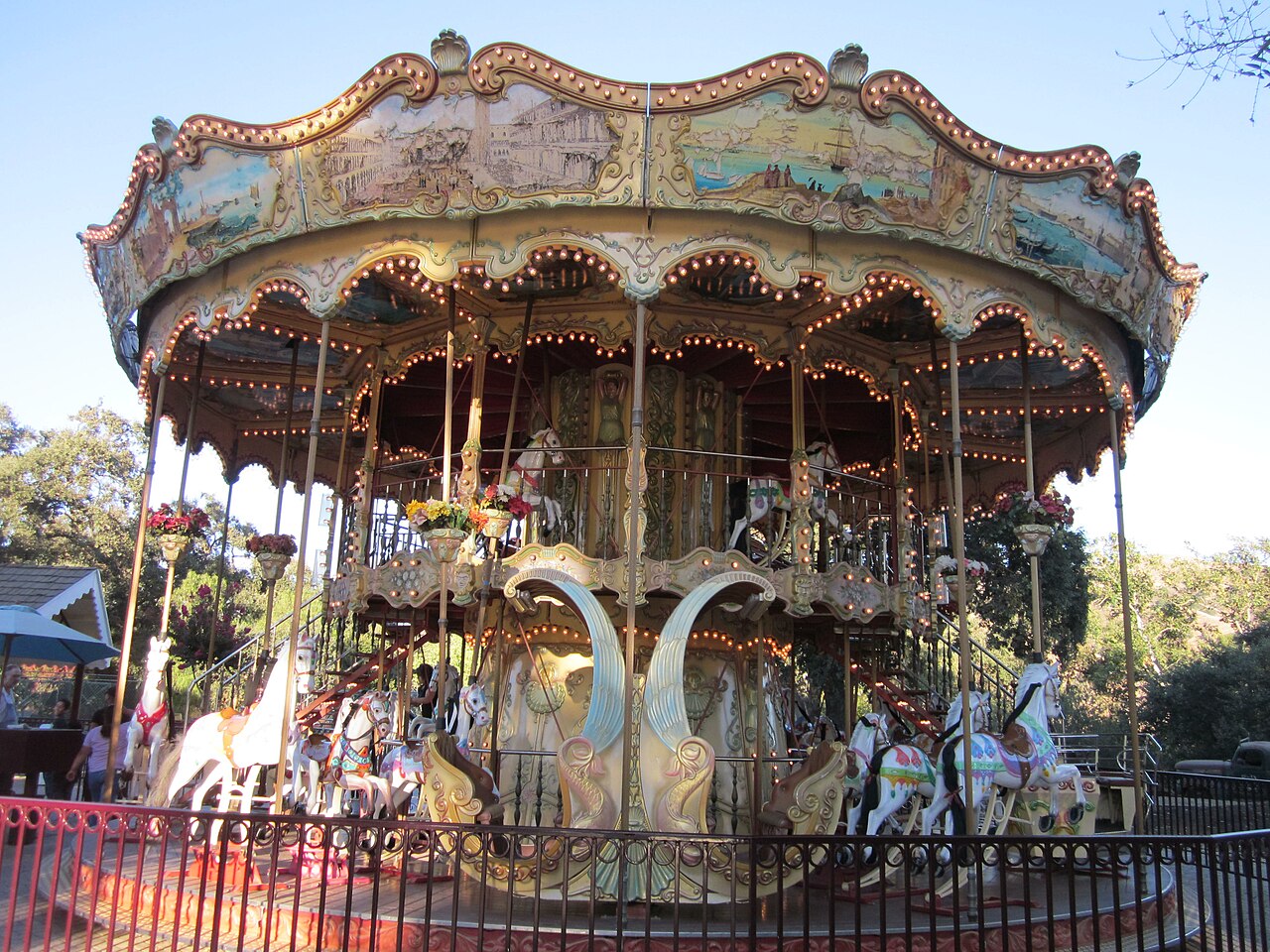
A carousel, commonly called a merry-go-round or roundabout in some English dialects, is a rotating ride found in amusement parks and on playgrounds. It normally consists of a circular platform that turns around a central axis and carries seats or figures for riders. In larger fairground carousels the seats are often stylized, hand-carved figures such as animals or vehicles; examples include decorative automobiles, miniature trains and fanciful animals.
Image gallery
10 Images



Characteristics and common elements
Typical carousels have a rotating deck, radial support structure, and a decorative canopy. Mounted figures may be fixed or move vertically as the platform turns. Frequently seen motifs include horses, elephants, and swans; visitors can often find such figures on historic rides and restorations (horses, elephants, swans are common examples). Lighting, painted panels and sound systems contribute to the ride's visual and auditory appeal.
How they work
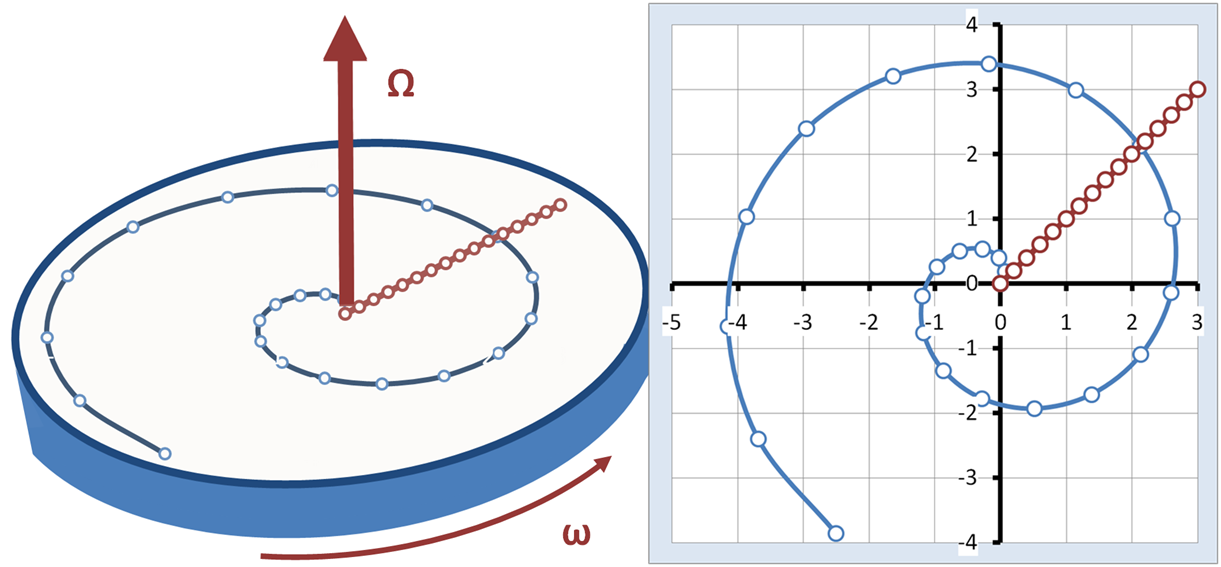
Mechanized carousels use a central drive system to turn the platform. Modern installations commonly rely on an electric motor and gearbox, though earlier machines used steam or other power sources. Some figures are mounted on crank or cam linkages that convert rotational motion into the familiar up-and-down movement. Playground versions are manually pushed or spun; children and adults produce motion by running or applying force to the rim or to attached bars, demonstrating basic principles of torque, friction and centripetal force (machine power versus motor-driven systems and manual push techniques).
History and development
Forms of carousel-like activities have existed for centuries, with early uses associated with training exercises for cavalry and later evolving into entertainment at fairs. In the 18th and 19th centuries the ride took on a more decorative character as skilled carvers and amusement providers created larger, ornate platforms for public pleasure. Over time technology, regulation and tastes shaped the variety seen today, from simple playground roundabouts to elaborate, band-organ-accompanied park carousels.
Uses, safety and cultural value
Carousels serve as family attractions, landmarks and examples of folk art; many historic rides are restored and preserved as cultural heritage. Safety considerations include speed limits, secure mounting of figures, rider height restrictions and routine maintenance of drive components and electrical systems. Play-ground models are often designed with fewer pinch points and lower rotation speeds to reduce injury risk.
Notable distinctions
- Terminology: carousel, merry-go-round, roundabout and galloper are regional or historical variants.
- Scale: playground roundabouts are human-powered; fairground carousels are usually motorized.
- Art versus utility: some carousels are valued for craftsmanship and are collected or restored; others are mass-produced for modern parks.
For more images, restoration projects and further reading use the linked resources and specialist collections available online and in museums (general reference, vehicle-style figures, train motifs, animal figures, common animals, power systems, motor types, manual operation).
Questions and answers
Q: What is a carousel?
A: A carousel is a ride found in an amusement park or on a playground that includes a circle-shaped rotating platform.
Q: What are some objects that carousel seats may be made to look like?
A: Seats on a carousel found in an amusement park may be made to look like objects such as automobiles, trains, and animals.
Q: What are some animals that may be found on a carousel?
A: Animals that may be found on a carousel include horses, elephants, and swans.
Q: How are carousels often decorated?
A: Carousels are often brightly decorated with lights, paintings, and animals around the outside.
Q: How are carousels in amusement parks powered?
A: Carousels in amusement parks often move by machine power.
Q: How do playground carousels work?
A: Playground carousels are not powered by a machine. The children make the carousel spin by holding on to the handle bars that are attached to the rotating platform.
Q: What determines the speed of a carousel on a playground?
A: The speed of a carousel on a playground will move faster or slower depending on how fast the child runs while holding on to the handle bars making the merry-go-round spin.
Author
AlegsaOnline.com Carousel (merry-go-round): design, history and uses Leandro Alegsa
URL: https://en.alegsaonline.com/art/17218
Sources
- etymonline.com : "Online Etymology Dictionary - Carousel"