
Caroline Flack: British television presenter and public figure
Profile of Caroline Flack (1979–2020), an English television presenter best known for Love Island and The X Factor, her career, mental health struggles, controversies, death and public legacy.
Caroline Flack (9 December 1979 – 15 February 2020) was an English television presenter and media personality who rose to national prominence as the host of high‑profile entertainment programmes. She became widely known for presenting the reality series Love Island and for her work on The X Factor. Her life and death prompted widespread public discussion about mental health, media scrutiny and the treatment of celebrities.
Image gallery
2 Images
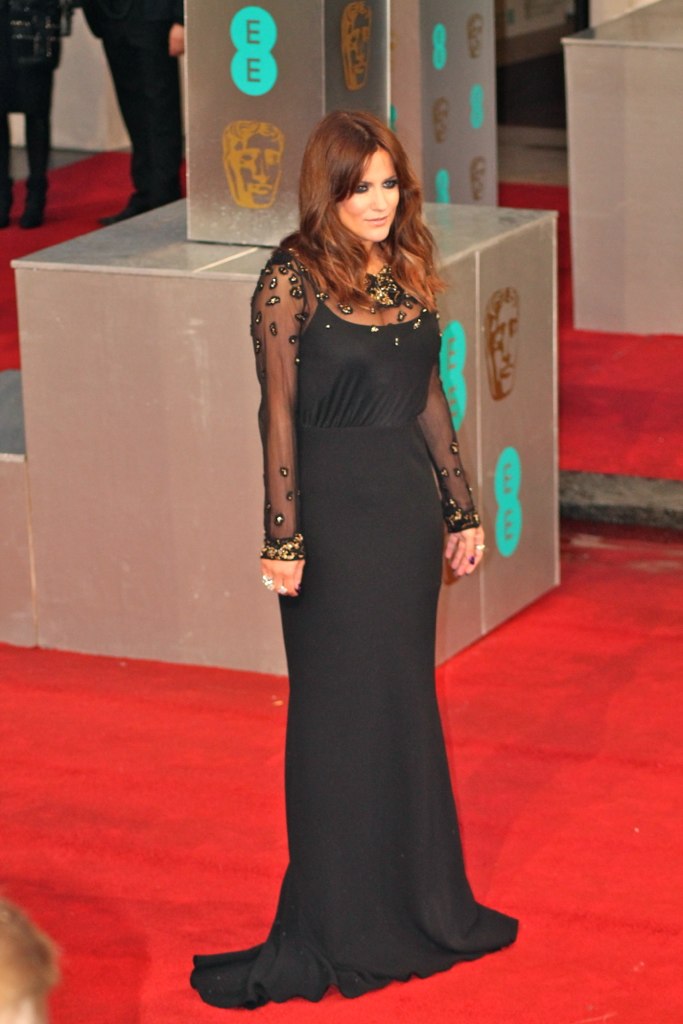
Early life and background
Flack was born in Enfield (Enfield), London, and spent much of her childhood in the county of Norfolk. From a young age she was involved in performing and popular entertainment, and she pursued a career in television presenting that brought her visible success on national broadcast platforms. She was known for a warm, chatty presenting style that suited light entertainment and reality formats.
Career and public profile
Flack presented a variety of television programmes and special events across mainstream TV. Her highest profile role was as the host of the revival of the reality dating show Love Island, a position that increased her recognition and public exposure. She also worked on stages of the popular music competition The X Factor and other entertainment projects. Her television roles made her a familiar face to audiences and established her as a leading presenter in British popular television.
Controversies, legal matters and mental health
In late 2019 and early 2020 Flack became the subject of intense tabloid coverage and social media commentary. She faced a pending court case after an allegation that she had assaulted her boyfriend, tennis player Lewis Burton (the allegation is reported in public sources as linked to the case) — see coverage of the matter here. During this period she publicly struggled with long‑standing issues around depression, self‑harm and suicidal thoughts. Friends, colleagues and industry figures later said she had difficulty coping with sustained online abuse and press attention.
Death and public reaction
Caroline Flack died by suicide; reports state she was found in her London home on 15 February 2020 and that the cause was hanging (reported cause). She was 40 years old. Her death led to national conversations about the role of tabloids and social media in the lives of public figures, and to renewed calls for better mental health support and greater duty of care by broadcasters toward participants and presenters on reality programmes.
Aftermath and legacy
The immediate aftermath saw broadcasters, charities and politicians debate safeguards for people who work in highly visible television formats. Campaigns and petitions called for changes in press practice and for improved welfare provision for reality‑TV contestants and hosts. Supporters say Flack’s death helped focus attention on the intersection of mental illness, online abuse and fame, while others argued for careful legal and ethical consideration when reporting on individuals in difficult circumstances.
- Notable programmes associated with Flack: Love Island, The X Factor.
- Key public issues raised: media treatment of celebrities, social media harassment, mental health support for television staff and contractors.
- Further reading and reporting appear in major news outlets and industry statements (see broadcasters and charity responses at relevant pages and follow-up reports via regional and national coverage).
Caroline Flack is remembered both for her broadcasting work and for the broader cultural questions her death prompted about fame, responsibility and mental health in the modern media environment.
Questions and answers
Q: Who was Caroline Flack?
A: Caroline Flack was an English television presenter, best known for presenting the reality television shows Love Island and X Factor.
Q: When and where was Caroline Flack born?
A: Caroline Flack was born on 9 December 1979 in Enfield, London.
Q: How did Caroline Flack die?
A: Caroline Flack died from suicide by hanging at her flat in London on 15 February 2020, aged 40.
Q: What was Caroline Flack's cause of death?
A: Caroline Flack's cause of death was suicide by hanging.
Q: What was Caroline Flack awaiting trial for at the time of her death?
A: Caroline Flack was awaiting trial for assaulting her boyfriend, tennis player Lewis Burton, at the time of her death.
Q: Did Caroline Flack have mental health issues?
A: Yes, Caroline Flack had long-term mental health issues and had attempted suicide and self-harmed on various occasions.
Q: What did TV producer Anna Blue say about Caroline Flack's ability to handle fame?
A: TV producer Anna Blue said that Caroline Flack "just wasn't emotionally wired to deal with all the problems that came with being famous".
Related articles
Author
AlegsaOnline.com Caroline Flack: British television presenter and public figure Leandro Alegsa
URL: https://en.alegsaonline.com/art/17195