
Caroline Chisholm: 19th‑century English humanitarian for immigrants
Caroline Chisholm (1808–1877) was an English humanitarian who improved welfare and employment for migrants in Australia; she is commemorated in the Church of England calendar on May 16.
Caroline Chisholm (May 30, 1808 – March 25, 1877) was an English social reformer and humanitarian best known for practical work to assist migrants. She concentrated on the needs of single women and families arriving in the Australian colonies, helping them find shelter, employment and lawful passage to safer family life. She is commemorated as a saint in the Church of England calendar on May 16.
Image gallery
10 Images



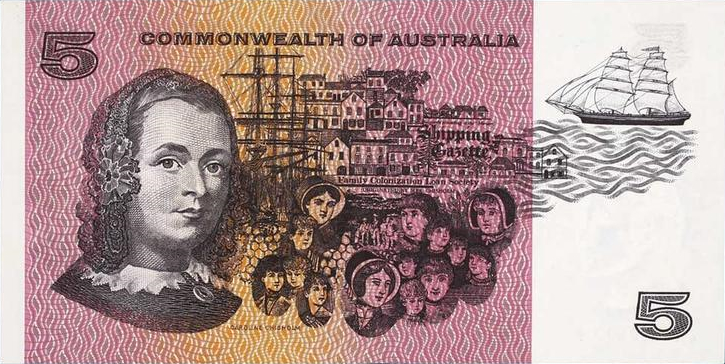

Biography and context
Born in England, Chisholm spent much of her adult life engaged with emigrant communities in the colonies. In the late 1830s she moved to New South Wales and observed how vulnerable immigrant women were exposed to exploitation and poverty. Her responses combined direct relief with advocacy aimed at colonial authorities and philanthropic networks.
Work and initiatives
Chisholm established practical services that bridged immediate aid and longer‑term settlement. Her activities included:
- provision of temporary housing and safe reception for new arrivals;
- placement services to match women with reliable employers and work;
- record keeping and advice to families on travel, accommodation and legal matters;
- organizing financial assistance schemes to help families emigrate together.
These measures were notable for combining moral concern with administrative systems aimed at reducing risk for migrants and promoting family stability in a rapidly changing colonial society.
Legacy and recognition
Chisholm's methods influenced later social work and colonial immigration policy. She helped found organizations to provide loans and support for family emigration and she lobbied for government cooperation in safe settlement. Her legacy is visible in memorials, schools and community institutions that bear her name, and in the continued use of practical, locally organized reception services for newcomers.
Her life is often cited as an early example of compassionate, evidence‑based social reform. For more context about migration and social relief in the nineteenth century, see related resources on immigrant welfare and philanthropic responses in the colonies: overview, immigrant assistance, Australian colonial history, and further documentary collections commemorations and church calendars.
Questions and answers
Q: Who is Caroline Chisholm?
A: Caroline Chisholm was an English humanitarian known for her involvement in female immigrant welfare in Australia.
Q: When was Caroline Chisholm born and when did she die?
A: Caroline Chisholm was born on May 30, 1808 and died on March 25, 1877.
Q: What was Caroline Chisholm known for?
A: Caroline Chisholm was known for her involvement in female immigrant welfare in Australia.
Q: Was Caroline Chisholm recognized for her work?
A: Yes, Caroline Chisholm was named a saint of the Church of England and has a day (May 16) dedicated to her in the Calendar of saints.
Q: What was Caroline Chisholm's nationality?
A: Caroline Chisholm was English.
Q: When was Caroline Chisholm's day declared in the Calendar of saints?
A: Caroline Chisholm's day was declared in the Calendar of saints and is celebrated on May 16.
Q: Did Caroline Chisholm receive any notable awards or honors?
A: Caroline Chisholm was named a saint of the Church of England, which is a notable honor.
Related articles
Author
AlegsaOnline.com Caroline Chisholm: 19th‑century English humanitarian for immigrants Leandro Alegsa
URL: https://en.alegsaonline.com/art/17193
Sources
- adb.anu.edu.au : Biography - Caroline Chisholm - Australian Dictionary of Biography