
Carob (Ceratonia siliqua): Mediterranean evergreen and food crop
Carob (Ceratonia siliqua) is a Mediterranean evergreen tree in the pea family grown for its sweet edible pods, used as a cocoa alternative, for locust bean gum, as animal fodder, and as an ornamental plant.
Overview
The carob is a small to medium-sized evergreen tree cultivated across Mediterranean climates. Known botanically as Ceratonia siliqua, it belongs to the pea family Fabaceae. Common names include carob and St John's bread; the tree is valued both for its durable foliage and its distinctive pods, which contain a sweet pulp and hard seeds.
Image gallery
10 Images



Botany and cultivation
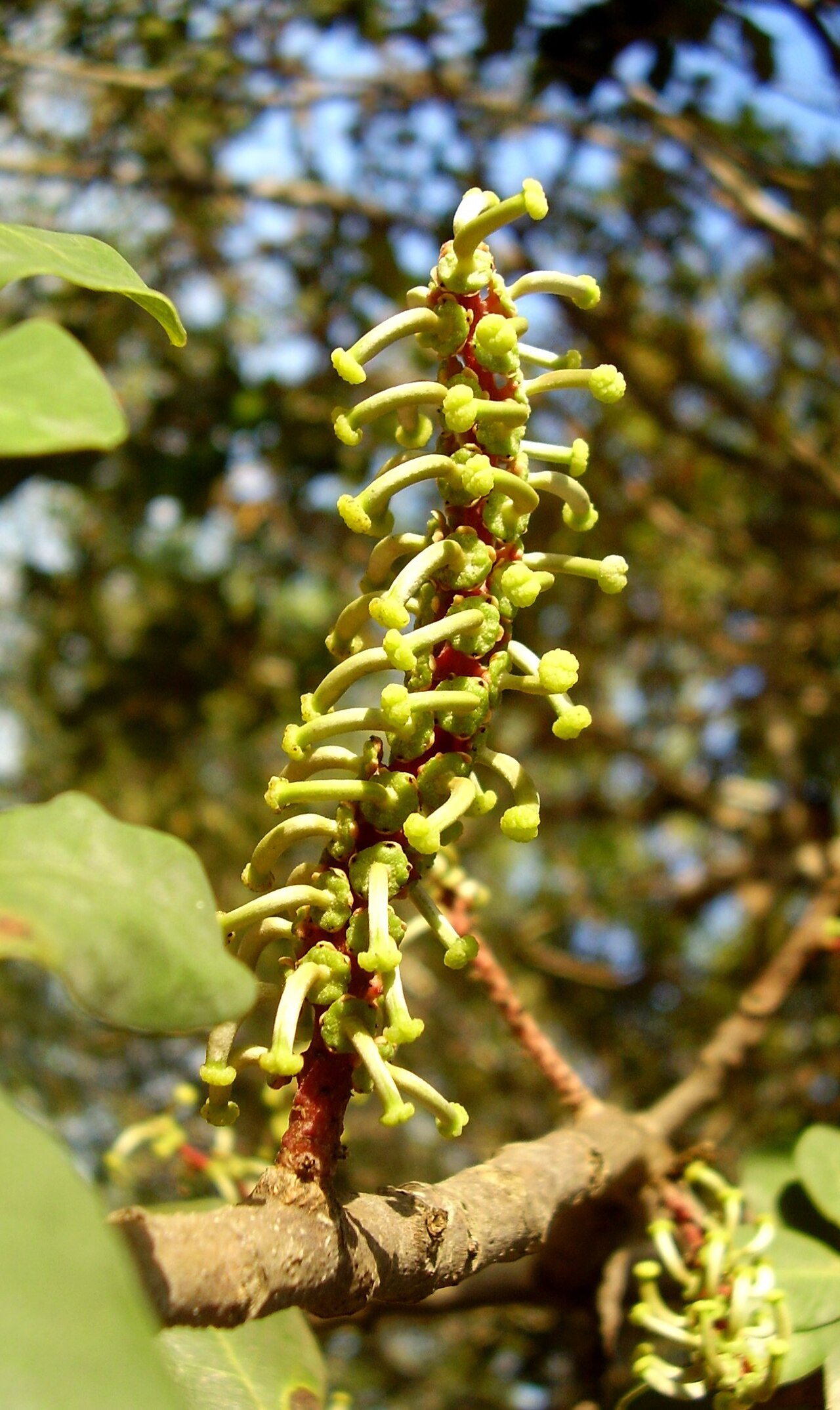
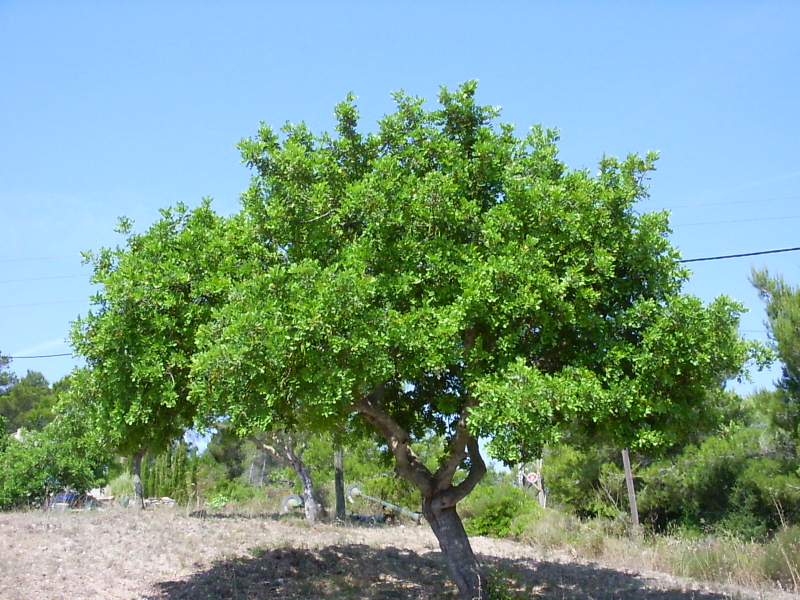
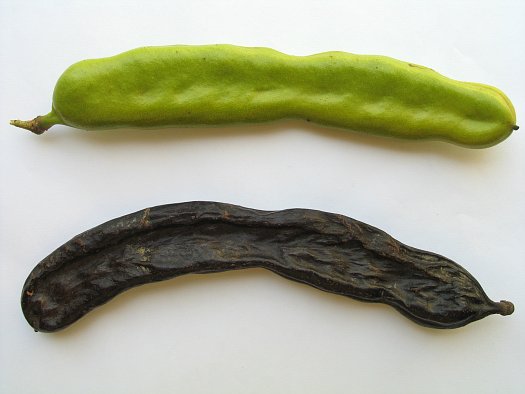
Carob trees typically have a compact, spreading crown with glossy, pinnate leaves and produce long, flattened pods. The pods mature to a dark brown color and enclose numerous hard, shiny seeds. As an evergreen adapted to dry summers and mild winters, carob tolerates drought and poor soils, making it a common choice for windbreaks, erosion control and ornamental planting in suitable regions.
History and cultural significance
Carob has a long association with Mediterranean and Near Eastern agriculture and cuisine. Historically its seeds were used as a weight standard for gemstones and helped give rise to the term "carat." Folklore links the tree with local traditions and, in some cultures, with religious stories; the sweet pods have been used as animal feed and for human nourishment since antiquity.
Uses and products
The ripe, dried pods are processed into a variety of foodstuffs. Typical uses include:
- Ground carob powder used as a caffeine-free alternative to cocoa.
- Sweetened carob bars and confectionery sold as chocolate substitutes; many consumers choose these for allergy or dietary reasons.
- Industrial extraction of locust bean gum from seeds, a thickening agent and stabilizer in foods and cosmetics; this product is often called locust bean gum.
- Syrups, molasses and natural sweeteners made from roasted or boiled pods, and use as livestock feed.
Distinctions and notable facts
Carob differs from cocoa in flavor, composition and processing: it is naturally sweeter, contains no caffeine, and has a lower fat content, so it behaves differently in recipes. While carob is promoted as a healthier or allergen-friendly substitute for chocolate, it cannot always replace cocoa cup-for-cup because of its milder, tangy-sweet taste and different chemistry. For further technical or horticultural details see resources such as botanical guides and food ingredient databases.
Questions and answers
Q: What is the carob?
A: The carob is a species of flowering evergreen tree in the pea family, Fabaceae.
Q: What is the scientific name of the carob?
A: The scientific name of the carob is Ceratonia siliqua L.
Q: Why is the carob widely grown?
A: The carob is widely grown for its edible pods, and as an ornamental tree in gardens.
Q: What is carob powder used for?
A: Carob powder is often ground from the ripe, dried pod and used to replace cocoa powder.
Q: Are carob bars an alternative to chocolate bars?
A: Yes, carob bars are an alternative to chocolate bars.
Q: Where are carob bars often available?
A: Carob bars are often available in health-food stores.
Q: Is the carob an evergreen or deciduous tree?
A: The carob is an evergreen tree.
Related articles
Author
AlegsaOnline.com Carob (Ceratonia siliqua): Mediterranean evergreen and food crop Leandro Alegsa
URL: https://en.alegsaonline.com/art/17170
Sources
- etymonline.com : "Carob"
- npgsweb.ars-grin.gov : "Taxon: Ceratonia siliqua L."
- winternet.com : "sicula - sinuatus"
- worldagroforestry.org : "Ceratonia siliqua"
- feedipedia.org : "Carob (Ceratonia siliqua)"
- cretansoil.com : "Bioaroma carob Syrup - ideal for sugar replacement-osteoporosis-weight loss"
- ncbi.nlm.nih.gov : "Carob flour in the treatment of diarrhoeal conditions in infants"
- pubmed.ncbi.nlm.nih.gov : 13059705
- faostat.fao.org : "Major Food And Agricultural Commodities And Producers – Countries By Commodity"