
Aisne (river): geography, history, and significance
The Aisne is a river in northeastern France, a left tributary of the Oise, known since Roman times as Axona and notable for its role in regional geography, navigation, ecology, and 20th‑century warfare.
The Aisne is a river in northeastern France, long recognized for shaping local landscapes and human settlement. It is a left tributary of the Oise and has given its name to the modern administrative department of Aisne. In antiquity the watercourse was recorded by Roman writers under the Celtic name Axona, and it continues to appear in maps and regional histories as an important local artery. For basic mapping and hydrological data see regional summaries and general river guides (map and data).
Image gallery
8 Images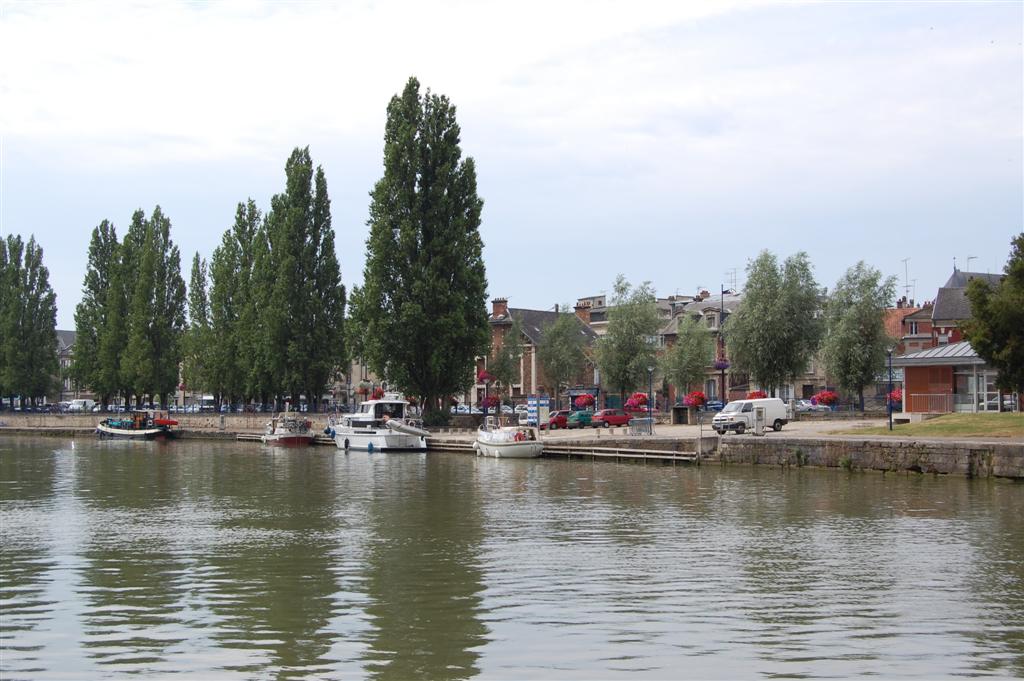
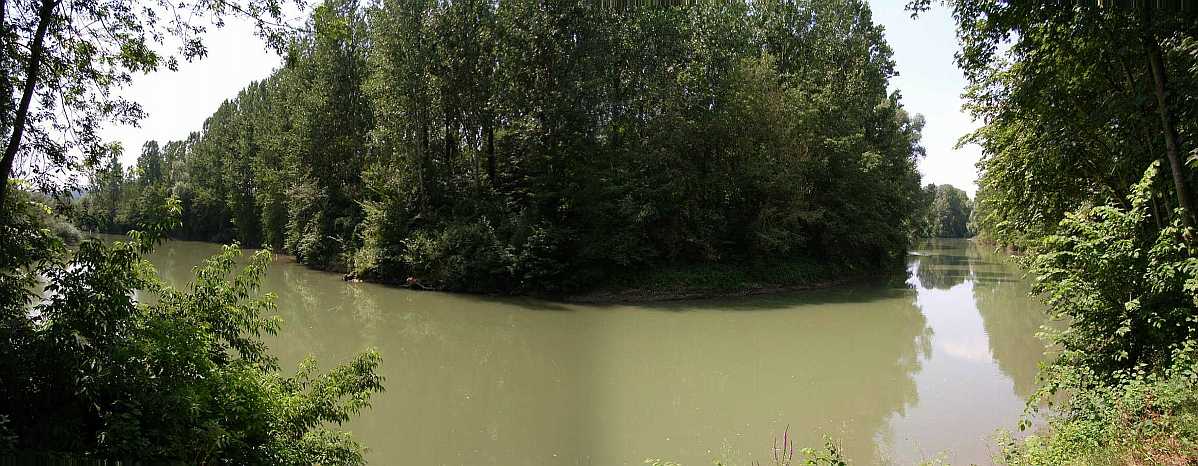


Geography and physical characteristics
The river rises in the uplands of northeastern France and follows a generally west-to-northwest course before joining the Oise. Its valley cuts through a mixture of plateaus, rolling farmland and broad floodplains. The Aisne basin collects water from a network of smaller streams and contributes to the larger Seine–Oise river system. Seasonal variations can be pronounced: higher flows in wet seasons and lower water in dry summers affect navigation and agriculture.
History and human use
Settlements have long clustered along the Aisne because of access to fresh water, fertile soils and transport routes. During the Roman era the river was known as Axona; in later centuries its valley hosted mills, small ports and road crossings. In the 19th century improvements in inland navigation and the construction of connecting canals increased its importance for freight and commerce. The Aisne valley was also a major theater of operations in the First World War, where several significant battles took place along its banks, leaving a legacy of commemorations and military cemeteries.
Modern uses, ecology and management
Today the Aisne supports mixed uses: local commercial navigation where depths allow, recreational boating and fishing, irrigation for agriculture and habitats for riparian plants and animals. Flood control, water quality management and ecological restoration are ongoing concerns for regional authorities, balancing human use with conservation of wetlands and riverine species. Small hydropower installations exist in places, but the river is primarily valued for regional water resources and leisure.
Notable facts and distinctions
- The river lends its name to the surrounding administrative department and has figured prominently in regional identity.
- Its Roman name, Axona, appears in ancient sources and remains a point of historical reference.
- Several engineering and environmental projects over the last two centuries have modified parts of the channel to improve navigation and reduce flooding.
For further reading on hydrology, regional history and conservation efforts, consult local archives and specialist studies or overview resources linked above: river data, governmental pages on administrative matters, and historical summaries that reference the Roman name Axona. Additional regional guides and maps are available through general reference portals covering France and waterways networks.
Questions and answers
Q: Where is the Aisne river located?
A: The Aisne river is located in northeastern France.
Q: Which river is the Aisne a tributary of?
A: The Aisne is a left tributary of the Oise river.
Q: What is the significance of the Aisne river in France?
A: The Aisne river gave its name to the French department of Aisne.
Q: What was the name of the Aisne river during Roman times?
A: The Aisne river was known as Axona during Roman times.
Q: Is the Aisne river still called by its Celtic name?
A: No, the Aisne river is not still called by its Celtic name Axona.
Q: What type of river is the Aisne?
A: The Aisne is a left tributary river.
Q: What is the location of the Aisne department?
A: The Aisne department is located in northeastern France.
Tags
Related articles
Author
AlegsaOnline.com Aisne (river): geography, history, and significance Leandro Alegsa
URL: https://en.alegsaonline.com/art/1716
Sources
- commons.wikimedia.org : Aisne River
- services.sandre.eaufrance.fr : "L'Aisne (H1--0200)"
- geoportail.gouv.fr : "Source de l'Aisne"
- geoportail.gouv.fr : "Confluence de l'Aisne"
- hydro.eaufrance.fr : "L'Aisne à Trosly-Breuil [Hérant]"