
Carnarvon, Western Australia
Coastal town at the mouth of the Gascoyne River, about 900 km north of Perth. A regional centre known for horticulture, fishing, space history and proximity to the Shark Bay World Heritage area.
Overview
Carnarvon is a coastal town in the northwest of Australia, located about 900 kilometres north of Perth in the state of Western Australia. It sits at the mouth of the Gascoyne River where the water meets the Indian Ocean. The town serves as a regional hub for surrounding pastoral and horticultural districts and provides services for visitors to nearby natural attractions. At the 2006 census the town recorded a population of 5,283.
Image gallery
3 Images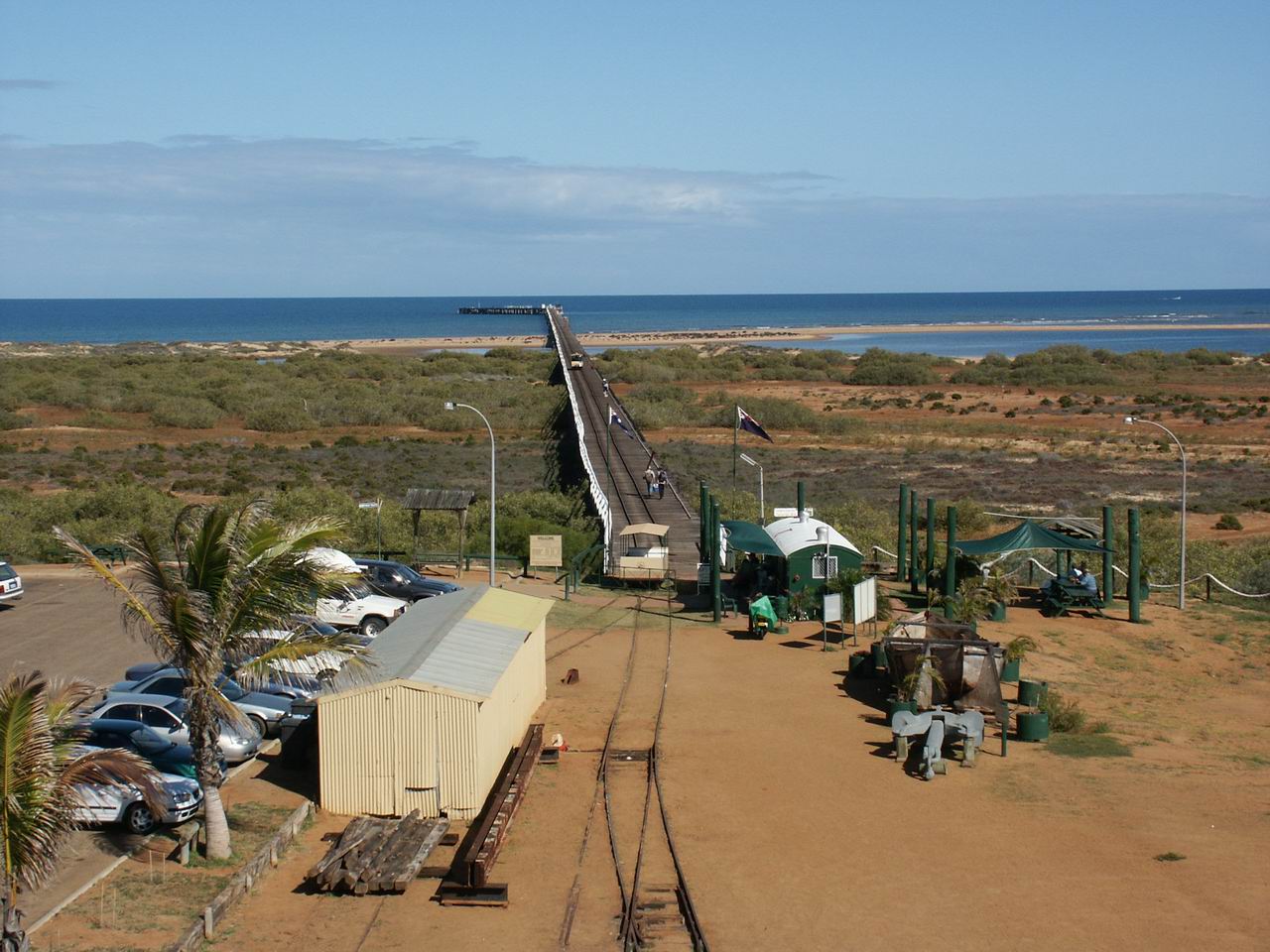


Geography and climate
Carnarvon occupies a coastal plain and estuarine area formed by the seasonal flow of the Gascoyne River. The climate is arid to semi‑arid with hot summers, mild winters and low, erratic rainfall. The availability of groundwater and river water has long been important for irrigation and local industry.
History and heritage
The town grew around port and pastoral activity in the 19th and early 20th centuries. Carnarvon later became notable for its role in space tracking; the Carnarvon Tracking Station supported international space missions in the mid‑20th century and remnants of that period are interpreted locally in museums and heritage displays. Historic structures, including an old jetty and early civic buildings, reflect the town's maritime and agricultural past.
Economy and local life
Economic activity in and around Carnarvon is varied. Key elements include:
- Horticulture: irrigated farms produce bananas, mangoes, citrus and vegetables for domestic markets.
- Fishing and aquaculture: local commercial and recreational fisheries operate along the coast.
- Pastoralism: grazing on extensive outlying properties supplies wool and meat.
- Services and tourism: businesses support travellers, regional workers and seasonal visitors.
Tourism and natural attractions
Carnarvon is often used as a base for exploring nearby coastal scenery. To the south lies Shark Bay, recognised for its marine diversity and unique ecosystems and listed as a World Heritage Site. Visitors come for beaches, fishing charters, scenic drives and to learn about the area's Aboriginal and European heritage. Local museums interpret both the agricultural history and the town's contribution to space tracking.
Notable facts and distinctions
Although remote by Australian standards, Carnarvon remains an important service centre for the Gascoyne region. Its combination of coastal setting, irrigated agriculture and 20th‑century scientific history gives the town a distinctive profile within Western Australia and the broader northwestern coastline.
Questions and answers
Q: Where is Carnarvon located in Western Australia?
A: Carnarvon is located about 900 kilometres north of Perth, Western Australia.
Q: What is the geographical feature of Carnarvon?
A: Carnarvon is at the mouth of the Gascoyne River on the Indian Ocean.
Q: Which famous World Heritage Site is close to Carnarvon?
A: The famous Shark Bay World Heritage Site lies to the south of Carnarvon.
Q: How many people were living in Carnarvon in 2006?
A: In 2006, there were 5,283 people living in Carnarvon.
Q: What is the biggest city located south of Carnarvon?
A: The biggest city south of Carnarvon is Perth, Western Australia.
Q: Is Carnarvon a coastal or an inland town?
A: Carnarvon is a coastal town located at the mouth of the Gascoyne River on the Indian Ocean.
Q: Which ocean is located on the western side of Carnarvon?
A: The Indian Ocean is located on the western side of Carnarvon.
Related articles
Author
AlegsaOnline.com Carnarvon, Western Australia Leandro Alegsa
URL: https://en.alegsaonline.com/art/17144
Sources
- censusdata.abs.gov.au : "Carnarvon (L) (Urban Centre/Locality)"
- wikidata.org : wikidata.org/wiki/Q1021880
- censusdata.abs.gov.au : "Carnarvon (Urban Centre/Locality)"
- astronautix.com : "Encyclopedia Astronautica Index: 1"