
Cardinal-nephew: papal relatives in the Roman Curia and the history of nepotism
A cardinal-nephew was a pope’s relative elevated to cardinal who often ran papal administration. The practice, common from the Middle Ages until 1692, shaped church politics and coined 'nepotism'.
Overview
The term cardinal-nephew (Latin: cardinalis nepos) designates a relative of the pope—typically a nephew—who was promoted to the College of Cardinals and entrusted with major administrative and political duties. In Italian the phrase is sometimes given as cardinale nipote. The custom grew into an established pattern within the papal court, and its name is the origin of the modern word "nepotism" in several languages.
Image gallery
10 Images


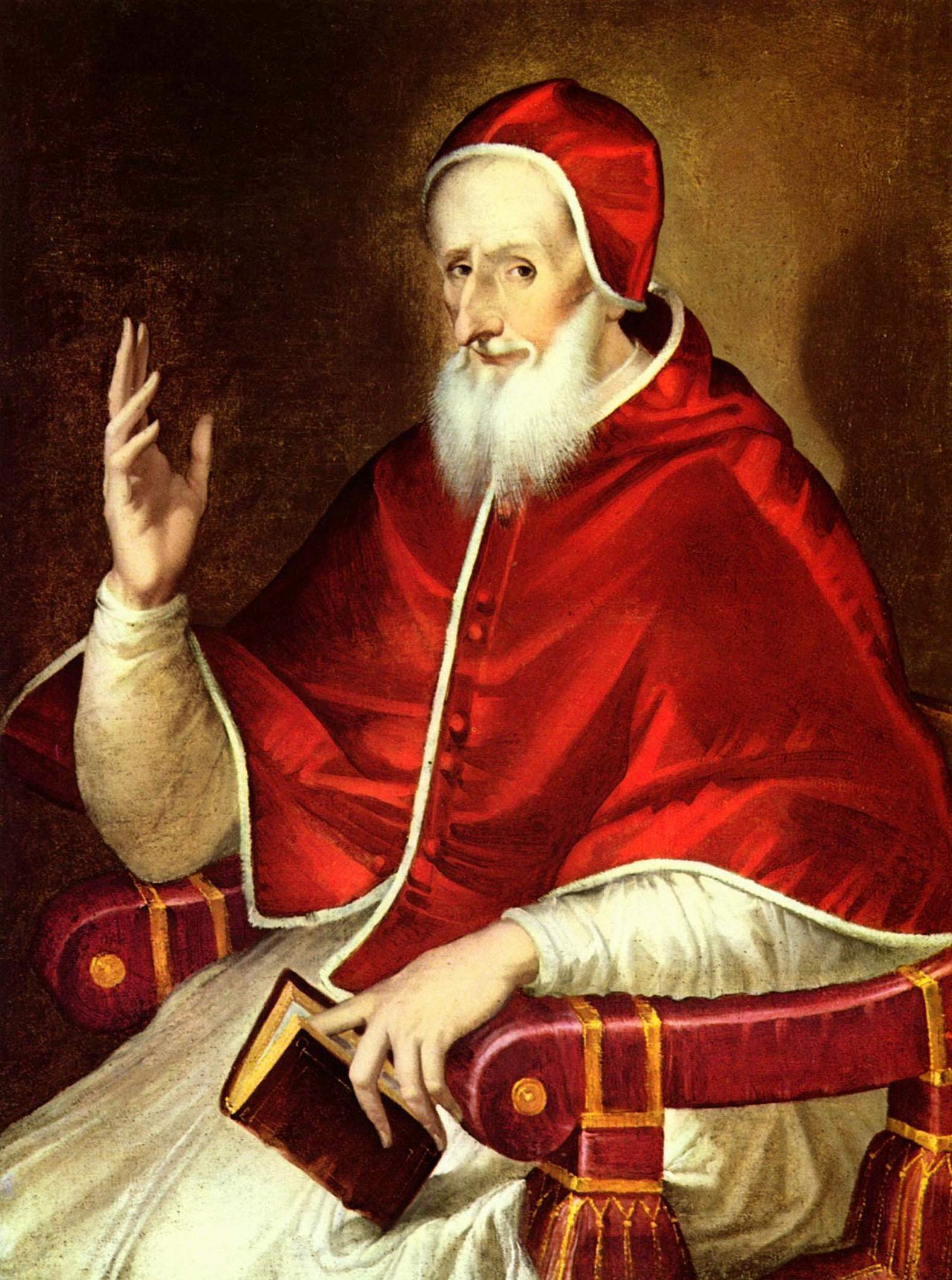
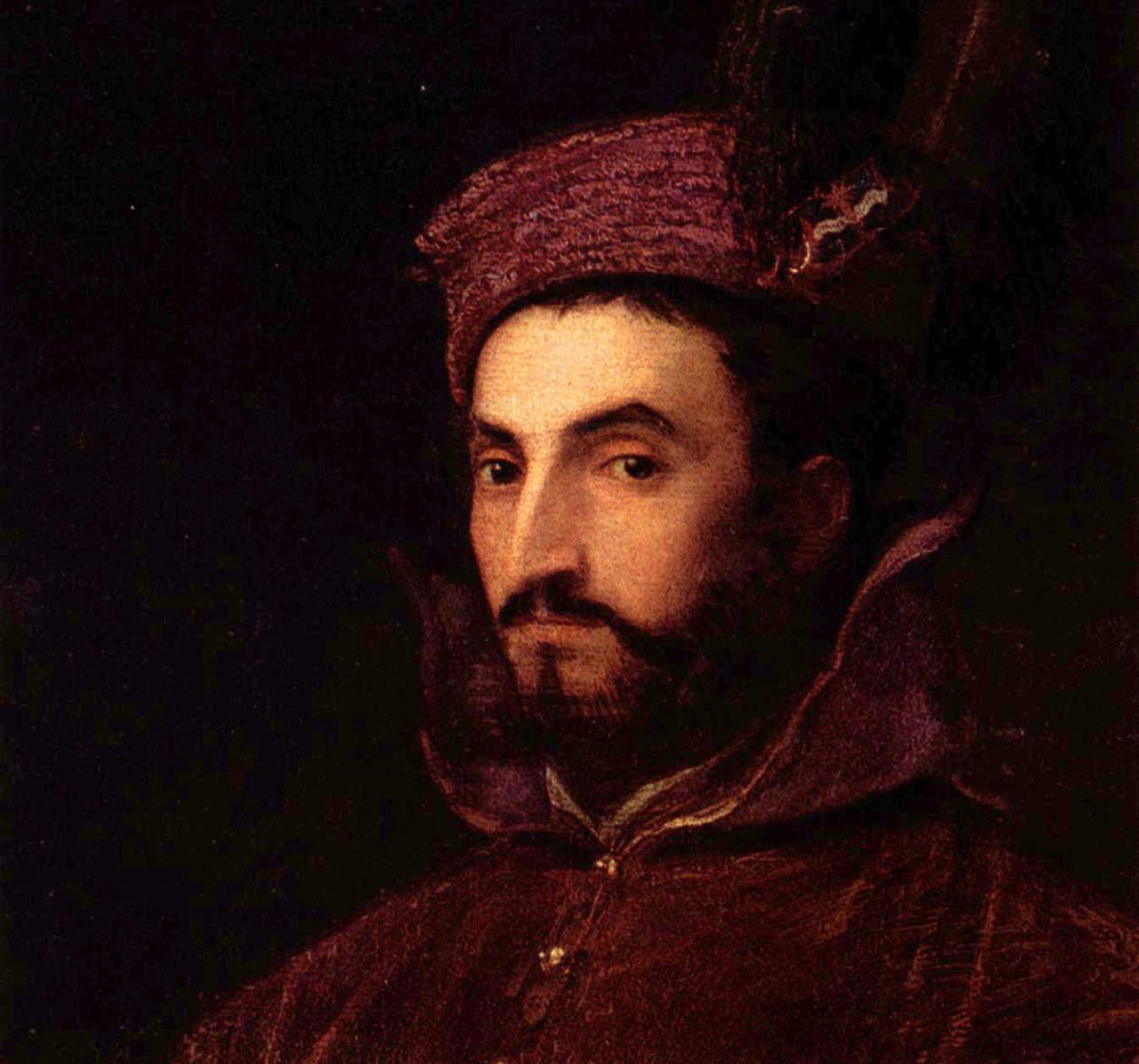


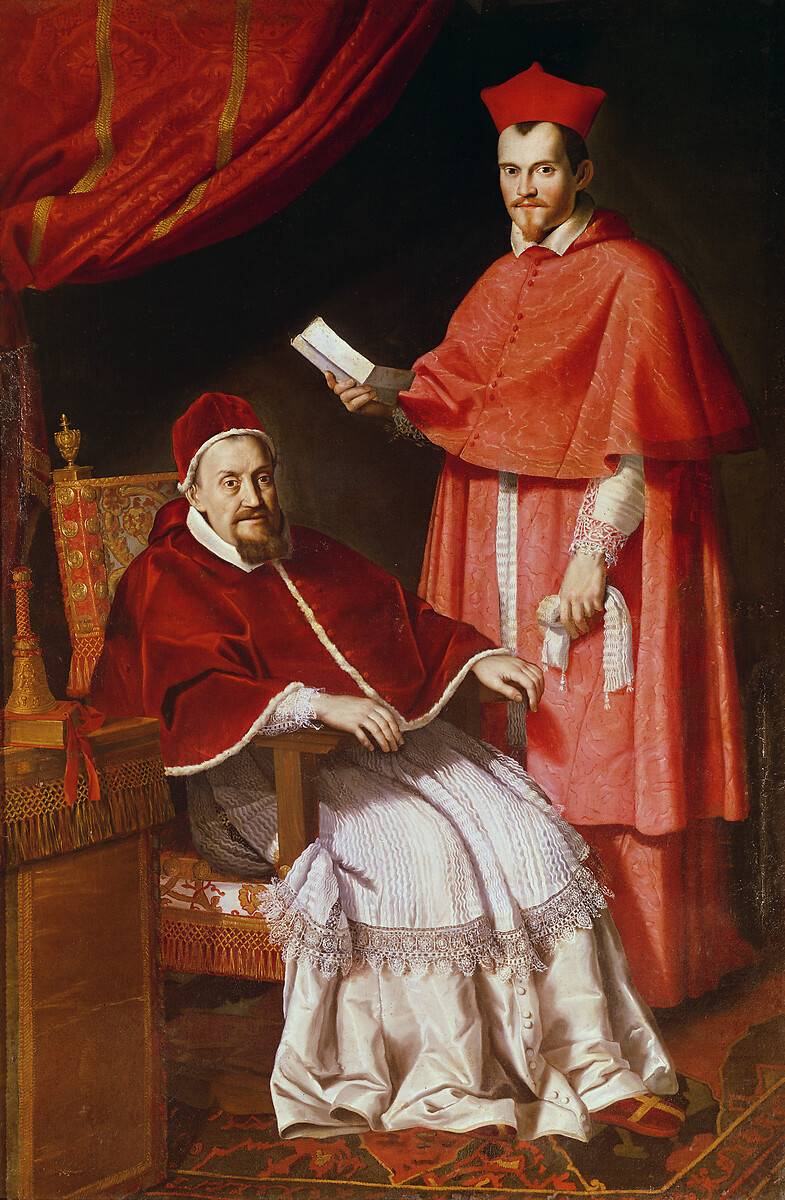

Role and responsibilities
As a formal office within the Roman Curia, the cardinal-nephew functioned as the pope's chief aide, confidant and representative. Responsibilities varied with the personality and needs of each pope but commonly included:
- overseeing aspects of the papal household and administration;
- managing diplomatic correspondence and relations with secular rulers;
- supervising patronage, appointments and financial matters;
- acting as the pope's voice in ecclesiastical and political affairs when delegated.
Because they combined clerical rank with familial ties, cardinal-nephews often exercised influence disproportionate to their formal office. The post was tied to the lifetime of the appointing pope and generally lapsed at the pope's death, at which point the position was effectively vacated until a new pope appointed his own trusted officials.
History and development
The practice emerged in the Middle Ages as popes relied on trusted relatives to manage complex patronage networks and to secure continuity of policy. Over centuries the role evolved into a more institutionalized presence within the Curia, with successive popes naming nephews or other kinsmen to safeguard family interests and to provide reliable administration. Critics increasingly viewed the custom as a source of corruption because it fused personal family advantage with public office.
Abolition and reform
The office of the cardinal-nephew was formally curtailed at the end of the 17th century. In 1692 Pope Innocent XII issued the papal bull Romanum decet pontificem, which banned the bestowal of hereditary offices and placed strict limits on papal grants that favored relatives. This reform was part of broader efforts to professionalize the Curia and reduce overt familial patronage. After these measures, the central administrative and diplomatic tasks once performed by cardinal-nephews increasingly fell to the Secretariat of State and to senior curial officials.
Legacy and notable examples
The institution left a durable imprint on both church organization and cultural vocabulary. Several widely known historical figures served as cardinal-nephews, illustrating the role's political significance and occasional scandal. These appointments helped shape Renaissance and early modern church politics and the relations between the papacy and European states.
- Examples often cited in studies of papal power include relatives of influential Renaissance popes who used family networks to secure positions and territories.
- Scholars link the rise and fall of the practice to changing expectations about governance, transparency and the separation between personal family interests and public duty.
Distinctions and modern equivalents
While the explicit office of cardinal-nephew no longer exists, its functional role survives in different forms. Today's Vatican Secretariat of State performs many administrative, diplomatic and managerial tasks once handled by a pope's principal appointee. Discussions about favoritism and appointments within the Church still draw on the history of cardinal-nephews as a reminder of the tension between personal influence and institutional responsibility. For more on the Curia and its historical offices see related resources, and for background on origins see historical surveys.
Questions and answers
Q: What is a cardinal-nephew?
A: A cardinal-nephew is a pope's relative, specifically a nephew, who was raised to the rank of cardinal.
Q: When did the practice of creating cardinal-nephews originate?
A: The practice of creating cardinal-nephews originated in the Middle Ages.
Q: Was the office of cardinal-nephew an important position in the Roman Catholic Church?
A: Yes, the office of cardinal-nephew was an important position in the Curia of the Roman Catholic Church before 1692.
Q: What happened to the office of cardinal-nephew after the death of a pope?
A: After the death of the reigning pope, the office of cardinal-nephew was vacated.
Q: What was the role of the pope's cardinal-nephew?
A: The pope's cardinal-nephew was his chief assistant and confident, and was expected to act as if he were a relative of the pope.
Q: Why was the office of cardinal-nephew banned after 1692?
A: The office of cardinal-nephew was banned by Pope Innocent XII in Romanum decet pontificem in 1692.
Q: Who currently fills the role and function of the former cardinal-nephew position?
A: The role and function of the former cardinal-nephew position is now filled by the Vatican's Secretary of State.
Author
AlegsaOnline.com Cardinal-nephew: papal relatives in the Roman Curia and the history of nepotism Leandro Alegsa
URL: https://en.alegsaonline.com/art/16941