
Carcharhiniformes (Ground sharks): diversity, biology and significance
Carcharhiniformes, or ground/whaler sharks, are the largest shark order with over 270 species. This article summarizes their defining features, habitats, life history, notable members and conservation issues.
Carcharhiniformes are the largest order of cartilaginous fishes commonly called sharks and often referred to as ground sharks or whaler sharks. The order contains more than 270 species, ranging from small, bottom-dwelling catsharks to large, oceanic predators. Familiar examples include the blue shark, the bull shark, the tiger shark and the various hammerhead species, though size, shape and ecology vary widely across the group.
Image gallery
7 Images
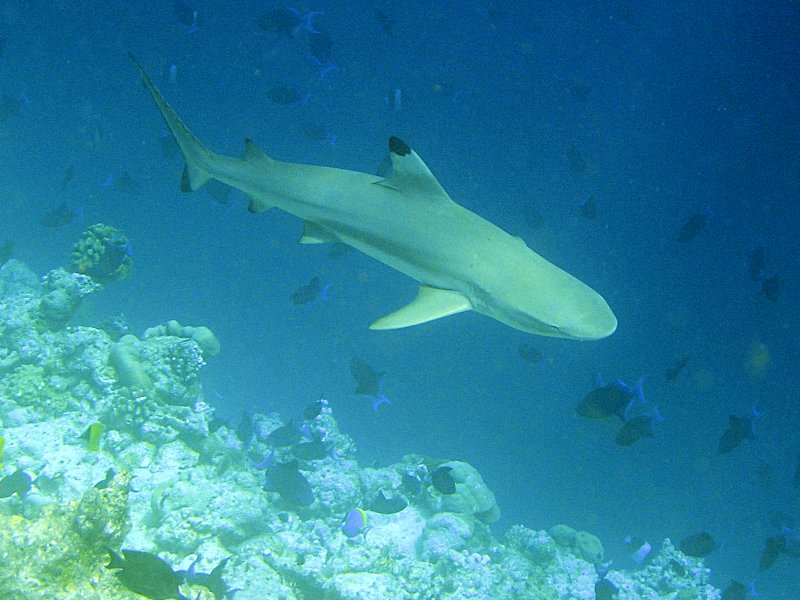


Physical characteristics
Ground sharks share a set of anatomical traits that help distinguish them from other shark orders. Many have a protective, translucent membrane over the eye (the nictitating membrane) that can be drawn across the eye during feeding or when threatened. They typically possess two dorsal fins and an anal fin, and like most modern sharks they have five gill slits. Mouth position, tooth shape and body form are diverse: some species have elongated, slender bodies for pelagic life while others are squat and benthic.
Distribution and habitat
Members of Carcharhiniformes occupy a broad range of marine environments. They occur in the open ocean and continental shelf waters, inshore seas, river mouths and estuaries, and even in brackish systems. Some species are highly migratory and cross entire ocean basins, while others live their whole lives on or near the seafloor within a limited coastal area.
Ecology and life history
Carcharhiniform sharks occupy many ecological roles: from small predators of crustaceans and cephalopods to top predators that feed on fish, marine mammals and seabirds. Reproductive strategies vary by family and species. Many are viviparous (bearing live young with placental or other maternal nourishment), whereas others—particularly several catsharks—lay egg cases. Growth rates, litter sizes and ages at maturity differ widely, which affects population recovery after disturbance.
Notable groups and species
- Requiem and reef-associated sharks (large, often coastal predators) — includes the blue shark and bull shark.
- Hammerheads — recognizable by their expanded heads and separated nostrils, represented here by several Sphyrnidae species.
- Catsharks and houndsharks — generally smaller, benthic species with diverse diets and some egg-laying members.
- Large opportunistic predators such as the tiger shark, which feed on a broad spectrum of prey.
Human interactions and conservation
Ground sharks are important to fisheries, ecotourism and local cultures, but many species face threats from targeted fishing, bycatch, habitat degradation and pollution. Conservation status varies: while some species are abundant, others are declining and are protected under regional or international measures. Effective management requires species-level data on distribution, reproductive biology and population trends.
Carcharhiniformes demonstrate the ecological breadth of modern sharks. Their combination of anatomical features, varied life histories and wide habitats make them a central subject in studies of marine ecology, fisheries science and conservation biology. For more detailed taxonomic or species-specific information, see specialist references and databases linked below.
Questions and answers
Q: What is Carcharhiniformes?
A: Carcharhiniformes is the largest order of sharks containing over 270 species and also known as Ground sharks or Whaler sharks.
Q: What are some common species of sharks found in Carcharhiniformes?
A: Some common species of sharks found in Carcharhiniformes are the Blue shark, Bull shark, Tiger shark, and the hammerhead sharks.
Q: What is the special feature of Ground sharks to protect their eyes?
A: Ground sharks have a special membrane which protects their eyes when needed.
Q: How many dorsal fins do Ground sharks have?
A: Ground sharks have two dorsal fins.
Q: In how many types of water can you find Ground sharks?
A: Ground sharks are found in open oceans, seas, estuaries, and brackish waters.
Q: How many gill slits do Ground sharks have?
A: Ground sharks have five gill slits.
Q: Why are Ground sharks also known as Whaler sharks?
A: Ground sharks are also known as Whaler sharks because they are commercially important for their meat, oil, and other products.
Author
AlegsaOnline.com Carcharhiniformes (Ground sharks): diversity, biology and significance Leandro Alegsa
URL: https://en.alegsaonline.com/art/16911
Sources
- bbc.co.uk : "BBC Nature - Ground sharks videos,news and facts"
- wikidata.org : Q48178
- species.wikimedia.org : Carcharhiniformes
- animaldiversity.org : Carcharhiniformes
- eol.org : 1887
- gd.eppo.int : 1KARCO
- fossilworks.org : 154870
- gbif.org : 887
- inaturalist.org : 48069
- irmng.org : 10253
- itis.gov : 551500
- data.nbn.org.uk : NBNSYS0000180162
- ncbi.nlm.nih.gov : 30483
- nzor.org.nz : fded2316-39f5-484b-9a33-fbc2b721123c
- ubio.org : 554407