
Carambola (Star Fruit): description, cultivation, uses, and safety
Carambola, or star fruit (Averrhoa carambola), is a tropical fruit prized for its star-shaped slices, tart-sweet flavor, and versatile culinary uses. Grows across tropical Asia and beyond.
Overview
Carambola, commonly called star fruit, is the edible fruit of Averrhoa carambola, a small tropical tree. When cut transversely the fruit yields distinctive five-pointed star shapes that make it popular as a garnish and fresh snack. Though grown around the world in warm climates, its origins lie in tropical Asia — including regions such as India, Indonesia and Sri Lanka — from where it spread to Southeast Asia, the Pacific islands, the Caribbean and parts of the Americas.
Image gallery
10 Images


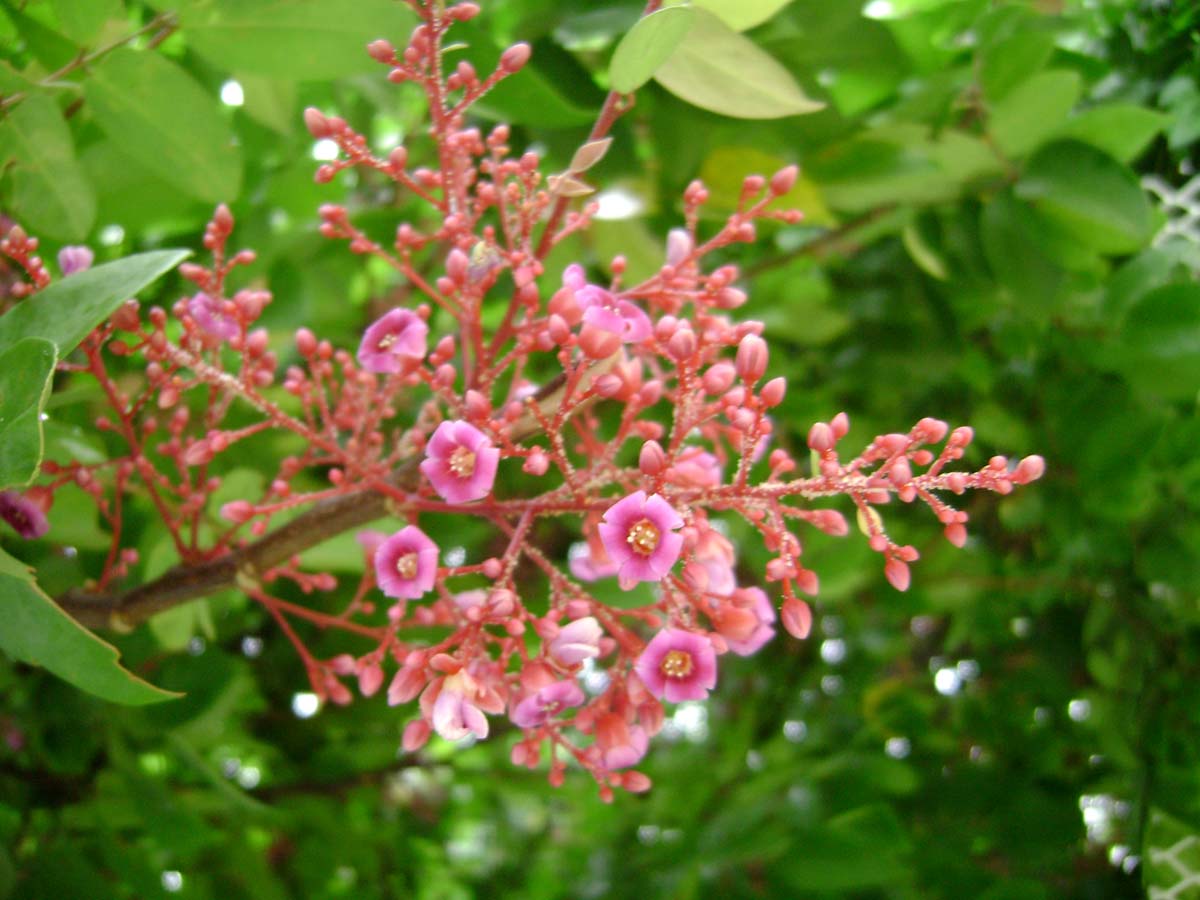


Description and varieties
Carambola trees are small to medium in size with pinnate leaves and borne clusters of fragrant, bell-shaped flowers. The fruit is oblong with five prominent ridges; when ripe the skin ranges from greenish-yellow to deep yellow, sometimes with a brownish edge along the ridges. Flesh is crunchy, juicy and translucent. Different cultivars vary from markedly tart to mildly sweet. Commercial types are often classified as "sweet" (eaten fresh) or "sour/tart" (used for cooking, preserves and beverages).
Cultivation and harvest
The species prefers tropical to subtropical climates, warm temperatures and well-drained soils. It tolerates partial shade and is commonly propagated by seed, air-layering or grafting to preserve desired fruit qualities. Trees can flower and fruit multiple times a year in favorable conditions. They are sensitive to frost, and major commercial production is concentrated in tropical regions and warm microclimates.
Uses and culinary examples
Star fruit is consumed in numerous ways. Fresh slices are served raw in fruit salads, as a decorative garnish, or pressed for juice. Culinary uses include:
- Fresh eating — slices retain the star shape and add texture to salads.
- Juices and smoothies — blended alone or with other tropical fruits.
- Cooking — used in chutneys, relishes, preserves and sauces where tart varieties provide acidity.
- Pickling and candying — preserved for longer storage.
Nutrition, safety and notable facts
Star fruit is low in calories and a source of vitamin C and dietary fiber. However, it also contains organic acids and a compound known as caramboxin; in people with normal kidney function these are generally harmless, but for patients with impaired kidney function ingestion can cause serious adverse effects including neurological symptoms. For that reason medical caution and professional advice are advised for people with renal disease before consuming carambola.
Because of its distinctive cross-section and pleasant acidity, carambola remains popular both as an ornamental fruit tree and a culinary ingredient across tropical and subtropical regions. Its adaptability to small gardens and containers has also helped introduce it to home growers in suitable climates. For botanical details, cultivar lists and cultivation advice consult regional horticultural resources such as regional summaries or tropical fruit guides at specialist sources and academic or extension services.
Questions and answers
Q: What is Carambola?
A: Carambola is a tropical fruit also known as star fruit.
Q: Where does Carambola grow?
A: Carambola grows on trees that are native to India, Indonesia, and Sri Lanka. The tree is also grown in tropic islands.
Q: Is star fruit common in Asia?
A: Yes, star fruit is common in the south of Asia.
Q: In which countries is star fruit common?
A: Star fruit is common in the south of Asia, Australia and all of the islands around Australia.
Q: What is the scientific name for star fruit?
A: The scientific name for star fruit is Averrhoa carambola.
Q: What other name is star fruit known by?
A: Star fruit is also known as carambola.
Q: Is star fruit a tropical fruit?
A: Yes, star fruit is a tropical fruit.
Related articles
Author
AlegsaOnline.com Carambola (Star Fruit): description, cultivation, uses, and safety Leandro Alegsa
URL: https://en.alegsaonline.com/art/16849