
Caraga (Region XIII) — Northeastern Mindanao, Philippines
Caraga (Region XIII) is an administrative region in northeastern Mindanao centered on Butuan. It comprises five provinces, coastal and island landscapes, mineral resources, rainforests and diverse Indigenous cultures.
Overview
Caraga, officially Region XIII, is an administrative region in the Philippines with its regional center in Butuan. The region occupies the northeastern portion of Mindanao and combines mainland lowlands, upland forests and several island groups. Its landscape includes long coastlines on the Pacific, large river basins such as the Agusan River system, and volcanic and mountainous interiors. For administrative and statistical summaries consult the regional profile here and basic national context here.
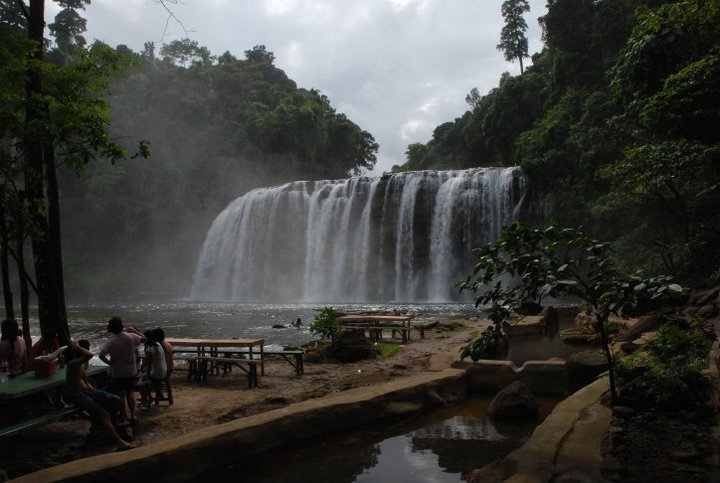
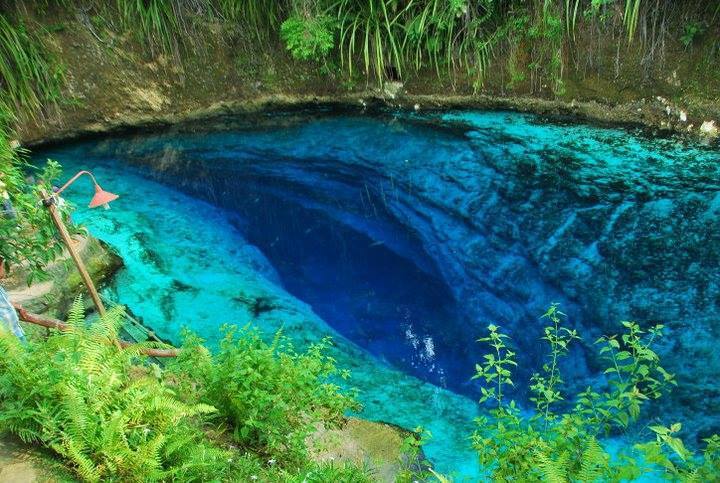
Image gallery
10 Images



Provinces and geography
Caraga is made up of five provinces and numerous component cities and municipalities. The provinces are listed below and include both mainland and island territories:
- Agusan del Norte
- Agusan del Sur
- Dinagat Islands
- Surigao del Norte
- Surigao del Sur
Its eastern exposure to the Pacific Ocean shapes the climate and marine ecosystems, while interior river plains and upland forests support agriculture, timber and biodiversity. The region sits on northeastern Mindanao and includes important coastal waterways and island destinations.
History, peoples and languages
Human habitation in the area predates colonial periods. Butuan is noted for important archaeological finds that indicate early maritime trade and boat-building traditions. Today Caraga is home to a mix of ethnic communities, including various Indigenous groups and settlers from other parts of the Philippines. Multiple Philippine languages are spoken alongside Filipino and English; local traditions, festivals and crafts reflect this cultural diversity.
Economy and environment
The regional economy is built on agriculture, fishing, forestry and mining, together with services and a growing tourism sector. Common rural livelihoods include crop farming, coconut production and coastal fisheries. Mineral deposits and timber resources have supported development but have also prompted environmental concerns; sustainable management and conservation efforts are active priorities. The Agusan River basin remains a key ecological and economic feature for inland communities.
Tourism and protected areas
Caraga offers beaches, surf breaks, dive sites and inland natural attractions. Islands and coastal towns attract visitors for water-based recreation, while riverine areas and upland forests provide birdwatching and ecotourism opportunities. Protected areas and local conservation initiatives aim to safeguard coral reefs, mangroves and remaining forest tracts for both biodiversity and community livelihoods.
Governance, transport and development
Butuan serves as the administrative hub, with road, air and sea connections that link the region to other parts of the Philippines. Local governance is delivered at provincial and municipal levels, coordinating development planning, infrastructure and disaster response—an important task given the region's exposure to tropical storms. For official regional resources and further information consult the regional office page, national sources here, or provincial portals such as those for Agusan del Norte and Agusan del Sur.
Caraga's mix of coastal, riverine and upland environments, cultural diversity and natural resource base make it an important and ecologically sensitive part of Mindanao. Continued emphasis on sustainable resource use, infrastructure, and community-based conservation shapes regional development priorities.
Questions and answers
Q: Where is Caraga located?
A: Caraga is located on the northeastern part of the island of Mindanao in the Philippines.
Q: What is Caraga also known as?
A: Caraga is also known as Region XIII.
Q: What is the regional administrative center of Caraga?
A: The regional administrative center of Caraga is Butuan.
Q: How many provinces are there in Caraga?
A: There are five provinces in Caraga: Agusan del Norte, Agusan del Sur, Dinagat Islands, Surigao del Norte, and Surigao del Sur.
Q: What is the capital city of Caraga?
A: There is no capital city in Caraga. The regional administrative center is Butuan.
Q: What type of region is Caraga?
A: Caraga is an administrative region.
Q: Which part of the Philippines is Caraga located in?
A: Caraga is located in the northeastern part of the island of Mindanao in the Philippines.
Related articles
Author
AlegsaOnline.com Caraga (Region XIII) — Northeastern Mindanao, Philippines Leandro Alegsa
URL: https://en.alegsaonline.com/art/16848
Sources
- psa.gov.ph : "Caraga"