
Captivity narrative (genre and history)
Captivity narratives are first‑person or reported accounts of people taken by perceived enemies; a global literary form that shaped colonial-era identity, propaganda, and modern scholarship.
Overview
A captivity narrative is a written account in which an individual or group describes being seized, detained, or held by an enemy or another community perceived as foreign or hostile. These accounts often present a dramatic sequence—capture, life in confinement, and release or escape—and they blend personal memory, cultural interpretation, and rhetorical aims. Readers encounter captivity narratives as autobiographical testimony, as news or propaganda, and as material later adapted into fiction and film.
Image gallery
5 Images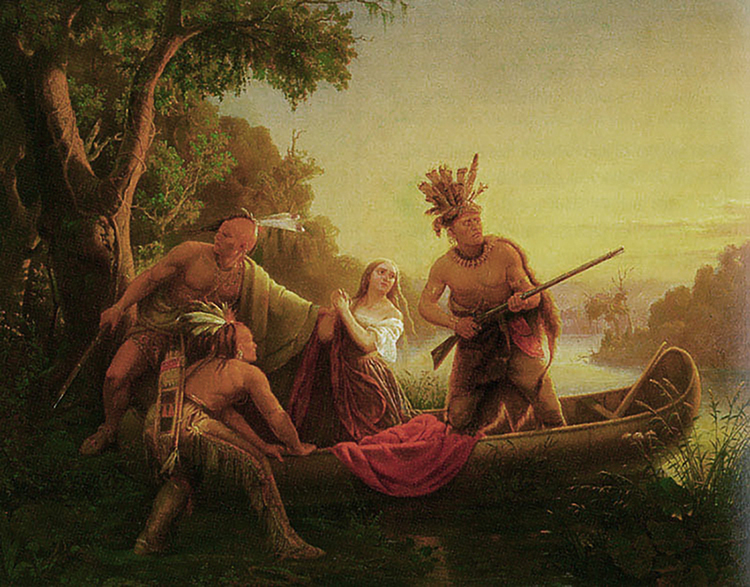


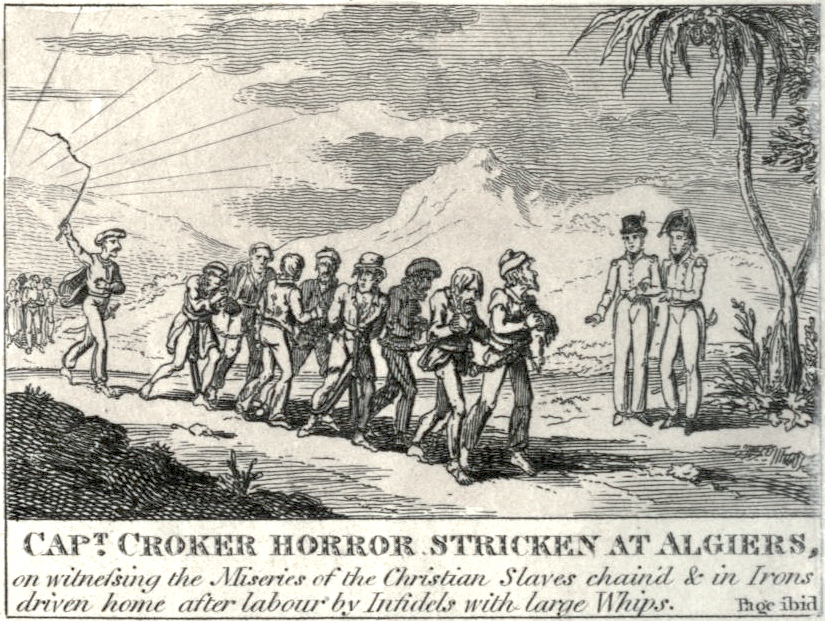
Common characteristics
Typical features include a first‑person perspective or an attributed eyewitness report, vivid descriptions of the captors and their customs, moral or religious reflection, and an emphasis on suffering and redemption. Narratives frequently frame the captors as uncivilized or dangerous, and they may justify rescue efforts or political measures. Because of these rhetorical aims, scholars stress that such texts mix observation with persuasion.
Historical development
Captivity accounts have a long history across many regions. In early colonial North America they became prominent reading material and helped shape colonial attitudes toward indigenous peoples. Well‑known examples from New England were widely printed and reprinted during the 17th through 19th centuries. Later, versions of the genre appeared in other imperial contexts, including British India and parts of East Asia, where travelers, soldiers, and missionaries recorded abductions, internments, or forced residence under foreign authorities. These stories also circulated in newspapers and pamphlets, contributing to public debate about security, race, and empire.
Uses, influence, and adaptations
Beyond serving as personal testimony, captivity narratives have been used as political instruments, moral exemplars, and marketable entertainment. Publishers and pamphleteers often amplified dramatic elements to attract readers. Over time the raw material of captivity narratives fed into novels, plays, and films, shaping popular tropes about frontier life, cultural clash, and survival. Modern writers sometimes retell or fictionalize earlier accounts to explore identity, trauma, and memory.
Scholarly approach and cautions
Historians and literary scholars approach these texts cautiously. Because many narratives were written for specific audiences or commercial gain, they may exaggerate, omit, or reinterpret events. Researchers who study indigenous histories, for example, advise cross‑checking captivity narratives against archaeological data, oral traditions, legal records, and the critical literature. Critical work also examines how labels such as civilized or neutral are used inside narratives and how contemporary historians treat them as sources. Scholars focused on Native American and other cultures emphasize the need to consult multiple kinds of sources.
Notable contexts and distinctions
- North American colonial captivity accounts: a major corpus printed in and about North America that fed into early English literature.
- Imperial and wartime narratives: stories produced in settings such as India and parts of East Asia, often by soldiers, missionaries, or merchants.
- Genres and authenticity: distinctions exist among genuine first‑hand testimonies, embellished memoirs, and wholly fictional accounts inspired by captivity motifs.
Careful reading recognizes captivity narratives as hybrid documents—part life story, part cultural encounter, and part rhetorical performance. When used responsibly, they can illuminate individual experience and broader social tensions; when taken at face value they can reflect and reinforce the prejudices of their time.
Questions and answers
Q: What are captivity narratives?
A: Captivity narratives are stories of people captured by enemies who are not civilized.
Q: How do historians view captivity narratives?
A: Historians do not trust a lot of these stories. A lot of them are not written from a neutral point of view.
Q: Are all captivity narratives considered reliable sources?
A: No, some historians that study Native American cultures are careful when they use these stories as sources.
Q: When were captivity narratives from North America published?
A: Captivity narratives from North America were published through the 18th and 19th centuries.
Q: Is the publication of captivity narratives limited to North America?
A: No, more stories were written in India and East Asia later on.
Q: Is English literature the only literary tradition that includes captivity narratives?
A: Captivity narratives are a part of English literature, but they are not limited to this tradition.
Q: What can be inferred about the accuracy of captivity narratives?
A: The fact that historians are cautious about using these stories as sources suggests that they may not always be accurate.
Related articles
Author
AlegsaOnline.com Captivity narrative (genre and history) Leandro Alegsa
URL: https://en.alegsaonline.com/art/16822
Sources
- americanantiquarian.org : "Crossing the Cultural Divide:Indians and New Englanders, 1605-1763."