
Cape York Peninsula — geography, ecology, history and conservation
Comprehensive overview of Cape York Peninsula in far-north Queensland: its geography, climate, ecosystems, human history, land use, conservation issues and management approaches.
Overview
Cape York Peninsula is a broad, sparsely populated promontory at the northern tip of the Australian continent. It sits in far-north Queensland and projects between the Gulf of Carpentaria to the west and the Coral Sea and Torres Strait to the east and north. The peninsula should not be confused with the Yorke Peninsula in South Australia or other places of similar name. Its approximate coordinates place it well within the tropical zone and subject to a distinct wet–dry seasonal climate.
Image gallery
10 Images


Geography and climate
The landform is mostly low and gently undulating with occasional sandstone escarpments and rocky headlands. Drainage is dominated by numerous rivers that descend from modest uplands and flow either into the Gulf of Carpentaria or into the islands and channels of the Torres Strait. The region experiences a tropical monsoon climate with a pronounced wet season (heavy rain, flooding and cyclones) and a long dry season when watercourses contract and wetlands become critical refuges.
Geology and waterways
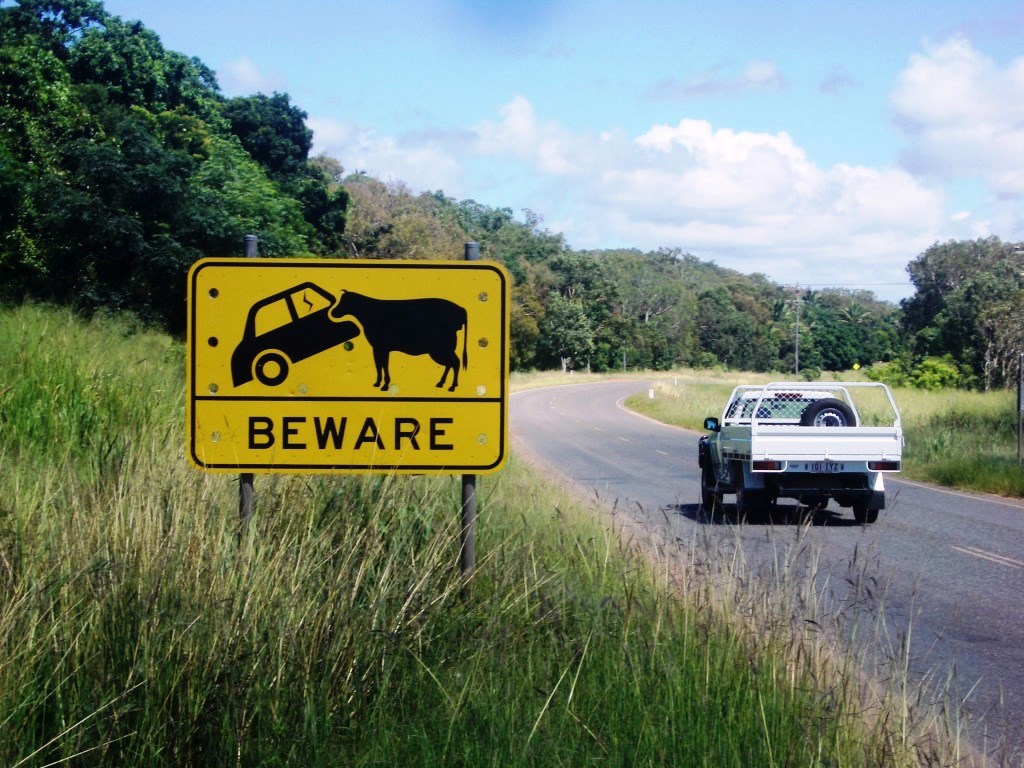
The peninsula rests on very old geological foundations. Soils vary from fertile alluvial plains to sandy coastal deposits and lateritic uplands. Major rivers and estuaries form wide floodplains and extensive wetlands; these systems are important for freshwater fish, waterbirds and seasonal grazing. Unsealed roads such as the Peninsula Developmental Road provide the main overland access but can be impassable in the wet season.
Ecology and biodiversity
Cape York contains a mosaic of ecosystems — open eucalyptus-dominated savanna, tropical rainforests in sheltered gullies, mangrove-lined coasts and inland wetlands. These habitats support diverse plant and animal communities, including many species with restricted northern distributions. Fauna include native marsupials and a wide bird fauna; crocodiles live in coastal and freshwater systems, and freshwater fish assemblages are notable for their seasonal dynamics.
Threats to ecosystems
Despite large tracts remaining relatively intact, the peninsula faces environmental pressures. Introduced fauna such as feral cats, pigs and the cane toad contribute to native species declines, while invasive plants and altered fire regimes threaten habitat integrity. Weed management and control of invasive species are recurring priorities in local land stewardship programs (weed control).
People, history and land use
The peninsula has a long Aboriginal history with many First Nations maintaining cultural connections to country for tens of thousands of years. European contact from the 17th to 19th centuries brought new pressures and patterns of use. Much of the interior is used for extensive cattle grazing, and coastal areas contain Indigenous communities, mission-era settlements and small service towns. Traditional knowledge and contemporary management are often combined to sustain livelihoods and conserve landscapes.
Conservation and management
Recognition of Cape York's conservation value has led to reserves, Indigenous Protected Areas and collaborative management initiatives. Priorities include protecting rainforest fragments, maintaining fire regimes appropriate to savanna systems, controlling feral animals and invasive plants, and safeguarding freshwater ecosystems. Conservation work typically involves partnerships between Indigenous landholders, government agencies and non-government organisations, combining traditional custodianship with scientific monitoring and practical on-ground action.
Importance and further reading
- The peninsula is one of the largest relatively intact tropical wilderness regions on Australia's eastern seaboard and a significant stronghold for northern Australian biodiversity.
- Seasonal wetlands and river systems are essential for fish, birds and other wildlife during the dry months; their protection is central to regional conservation planning.
- Remoteness has helped conserve large tracts of country, but it also complicates access to services and the delivery of management programs.
For more detailed background and practical guidance on land management, see regional summaries and planning resources: overview of the remote peninsula, a national context page about Australia, materials on introduced species, guides to weed control, technical notes on eucalyptus ecosystems and habitat type descriptions at habitat types. These resources are useful for residents, researchers and visitors seeking maps, species lists and stewardship advice.
Questions and answers
Q: Where is Cape York Peninsula located?
A: Cape York Peninsula is located in the far north of Queensland, Australia.
Q: What type of terrain is found on the peninsula?
A: The terrain on the peninsula is mostly flat and about half of it is used for grazing cattle.
Q: Is this area threatened by any introduced species or weeds?
A: Yes, much of the wildlife on Cape York Peninsula is threatened by introduced species and weeds.
Q: Are there any globally important habitats found here?
A: Yes, eucalyptus wooded savannahs, tropical rainforests, and other types of habitat are now recognized as being globally important.
Q: Is this area unspoilt wilderness?
A: Yes, Cape York Peninsula is one of the last remaining wilderness areas on Earth and it is also considered to be the largest unspoilt wilderness in eastern Australia.
Q: Is this article referring to a different peninsula than Yorke Peninsula in South Australia or Cape York Greenland?
A: Yes, this article refers to a different peninsula than Yorke Peninsula in South Australia or Cape York Greenland; it refers specifically to the peninsula in the Australian state of Queensland.
Related articles
Author
AlegsaOnline.com Cape York Peninsula — geography, ecology, history and conservation Leandro Alegsa
URL: https://en.alegsaonline.com/art/16731
Sources
- epa.qld.gov.au : epa.qld.gov.au
- legislation.qld.gov.au : legislation.qld.gov.au/browse/inforce
- gutenberg.org : From Cook's Journal
- legislation.qld.gov.au : legislation.qld.gov.au/browse/aspassed
- environment.gov.au : environment.gov.au/erin/cyplus/lup/index.html
- worldwildlife.org : Terrestrial Ecoregions - Cape York Peninsula tropical savanna (AA0703)
- anra.gov.au : anra.gov.au
- anra.gov.au : Rangelands - Overview - Cape York Peninsula
- cypda.com.au : cypda.com.au