
Canberra International Airport
Primary airport serving Australia's capital region, Canberra International Airport (CBR) handles domestic and some international services, with two runways, a redeveloped terminal and a role as a regional transport hub.
Overview
Canberra International Airport serves the Australian Capital Territory and nearby New South Wales communities as the main air gateway for the national capital. Its international and domestic identifier is CBR (ICAO: YSCB). Located on the northern side of the city, the airport is a short drive from central Canberra and also serves the city of Queanbeyan. It is routinely listed among the busiest airports in Australia and functions as both a scheduled passenger terminal and a base for regional and charter operators.
Image gallery
10 Images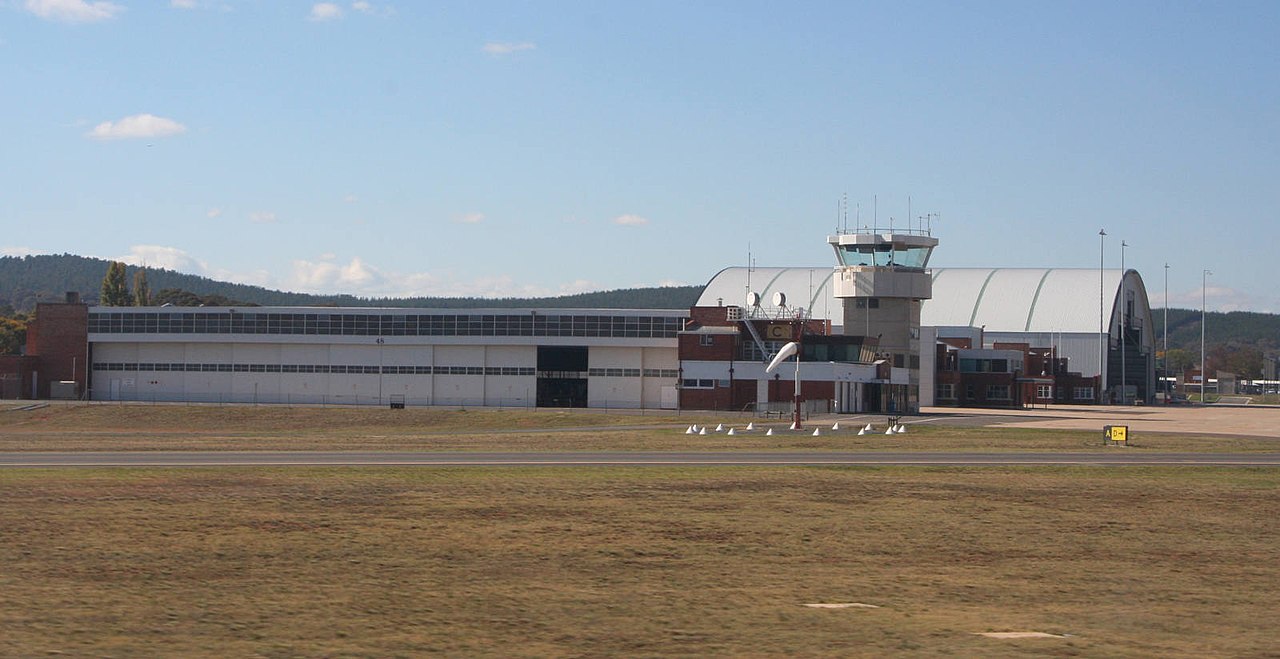




Facilities and infrastructure
The airport complex is managed and operated by Canberra Airport Group Pty Ltd and includes a main passenger terminal, cargo handling areas, general aviation facilities and apron space for private and corporate aircraft. The airfield has two primary paved runways, commonly referred to by their numeric headings:
- Runway 17/35 — the longer and principal runway used for larger scheduled aircraft and most instrument operations.
- Runway 12/30 — a secondary runway often used for lighter aircraft, training flights and when crosswinds favour its alignment.
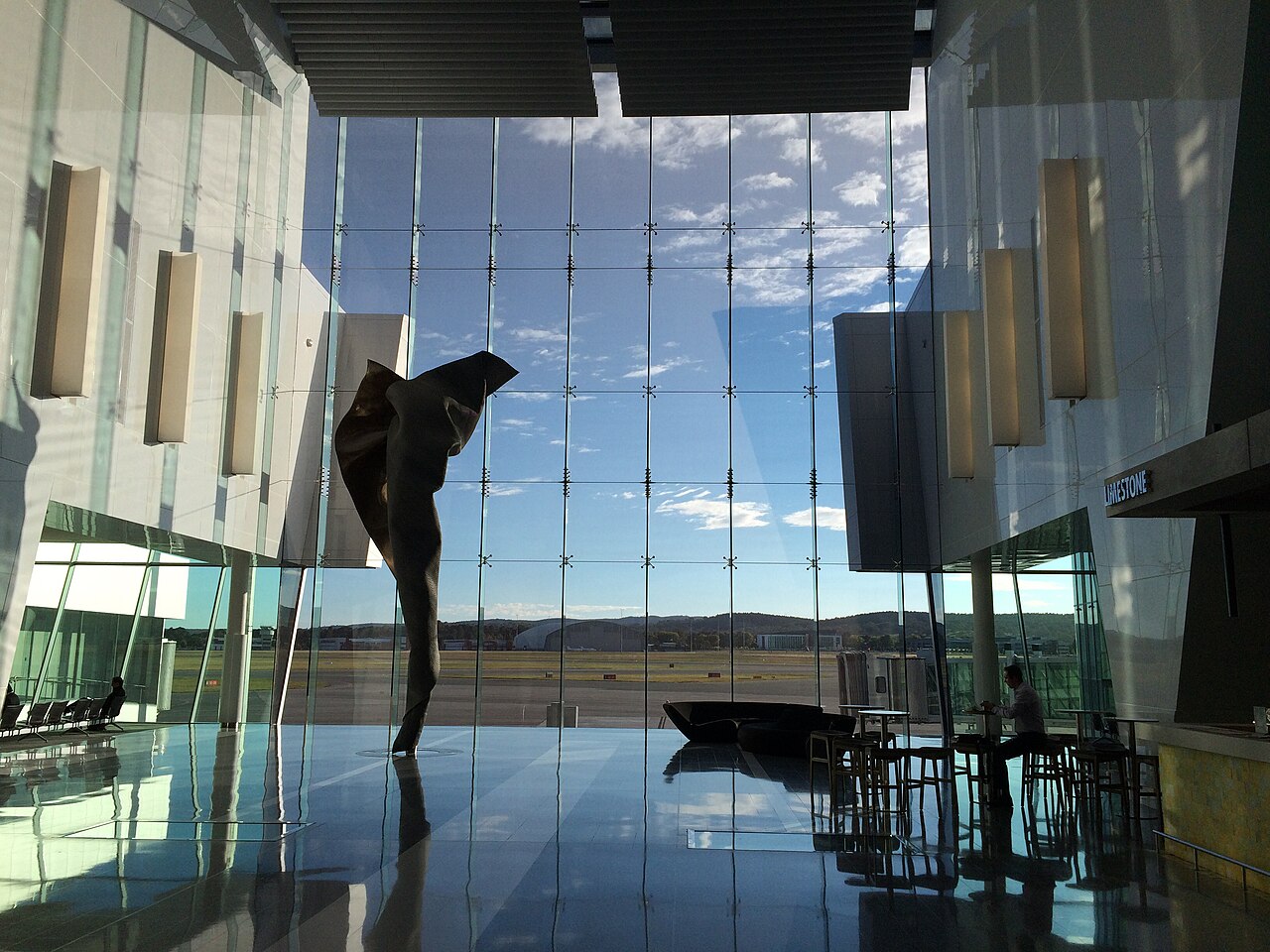
Passenger amenities in the terminal include check-in and baggage facilities, security screening, retail and food outlets, and ground transport connections. Freight and maintenance services are also accommodated on-site.
History and development
The airport developed as the capital region expanded and has evolved from early airfields to a modern terminal serving millions of passengers. In the late 2000s and early 2010s the main terminal underwent a multi-stage redevelopment: work commenced in 2009, a southern extension of the terminal was completed in November 2010, and further upgrades have been planned to increase capacity, improve customer facilities and support future route growth. At times the airport has handled in excess of three million passengers in a year, reflecting its role as a civic and regional transport node.
Operations and services
Most scheduled flights operate to and from Australia's eastern seaboard, linking the capital with major cities and regional centres. The airport accommodates a mix of large domestic jet services, smaller turboprop regional flights and charter operations. It has been a base for regional carriers in the past and continues to support a variety of airline partners. Seasonal and ad hoc international services have been operated as market demand allows, and the airport retains facilities for international arrivals and departures when required.
Importance and connections
As the main airport for the national capital, Canberra International Airport plays a key role for government travel, business, tourism and freight in the region. It provides an important connection between Canberra and other Australian cities and helps support local employment and economic activity. Ground access is provided by arterial roads and public transport links; transport projects and proposals have periodically aimed to improve accessibility between the airport and the city centre.
Notable facts and distinctions
The airport is identified internationally by its IATA code CBR and ICAO code YSCB. It sits within the Australian Capital Territory and serves both Canberra and neighbouring New South Wales communities (Australian Capital Territory, Queanbeyan). Its two-runway configuration and multi-stage terminal redevelopment have allowed it to expand services while maintaining operations for general aviation and freight. For further official information and current operational details, see the airport's public information channels and transport planning resources.
Questions and answers
Q: What is Canberra Airport?
A: Canberra Airport is the airport for Australia's capital city, Canberra, and the city of Queanbeyan, NSW.
Q: What is the IATA and ICAO codes for Canberra International Airport?
A: The IATA code for Canberra International Airport is CBR and the ICAO code is YSCB.
Q: Where is Canberra Airport located?
A: Canberra Airport is located in North Canberra.
Q: What is the ranking of Canberra Airport in the busiest airports in Australia?
A: Canberra Airport is the 8th busiest airport in Australia.
Q: Who manages and operates Canberra Airport?
A: Canberra Airport is managed and operated by the Canberra Airport Group Pty Ltd.
Q: How many runways does Canberra Airport have?
A: Canberra Airport has two runways, the 17/35 and the 12/30.
Q: How many passengers did Canberra Airport handle in 2009?
A: Canberra Airport handled more than three million passengers in 2009.
Related articles
Author
AlegsaOnline.com Canberra International Airport Leandro Alegsa
URL: https://en.alegsaonline.com/art/16497
Sources
- canberraairport.com.au : Capital Airport Group Pty Ltd
- canberra-cbr.airports-guides.com : "Canberra Airport (CBR) Information: Airport in Canberra Area, ACT, Australia, AU"
- alternativeairlines.com : "Brindabella Airlines"
- canberraairport.com.au : "Canberra's new terminal"
- brindabellabusinesspark.com.au : "Welcome to Brindabella Business Park"
- fairbairn.com.au : "Welcome to Fairbairn"
- majurapark.com.au : Majura Park
- canberraairport.com.au : The Hub Newsletter
- canberraairport.com.au : Information and updates about changes to the airport
- canberratimes.com.au : "Feds bring airport's 24/7 ambitions back down to earth"