
Campo Grande — capital of Mato Grosso do Sul, Brazil
Campo Grande is the largest city and administrative capital of Mato Grosso do Sul in Brazil, an economic and cultural hub in the central-west region and a gateway to the Pantanal and the Cerrado.
Overview
Campo Grande is the principal city and administrative capital of the Brazilian state of Mato Grosso do Sul. Located in the country's central-west, it functions as a regional center for government, education, commerce and transport. The city's Portuguese name means "Great Field" and it is commonly known by a local nickname that reflects the reddish-brown color of its soils.
Image gallery
10 Images




Geography and climate
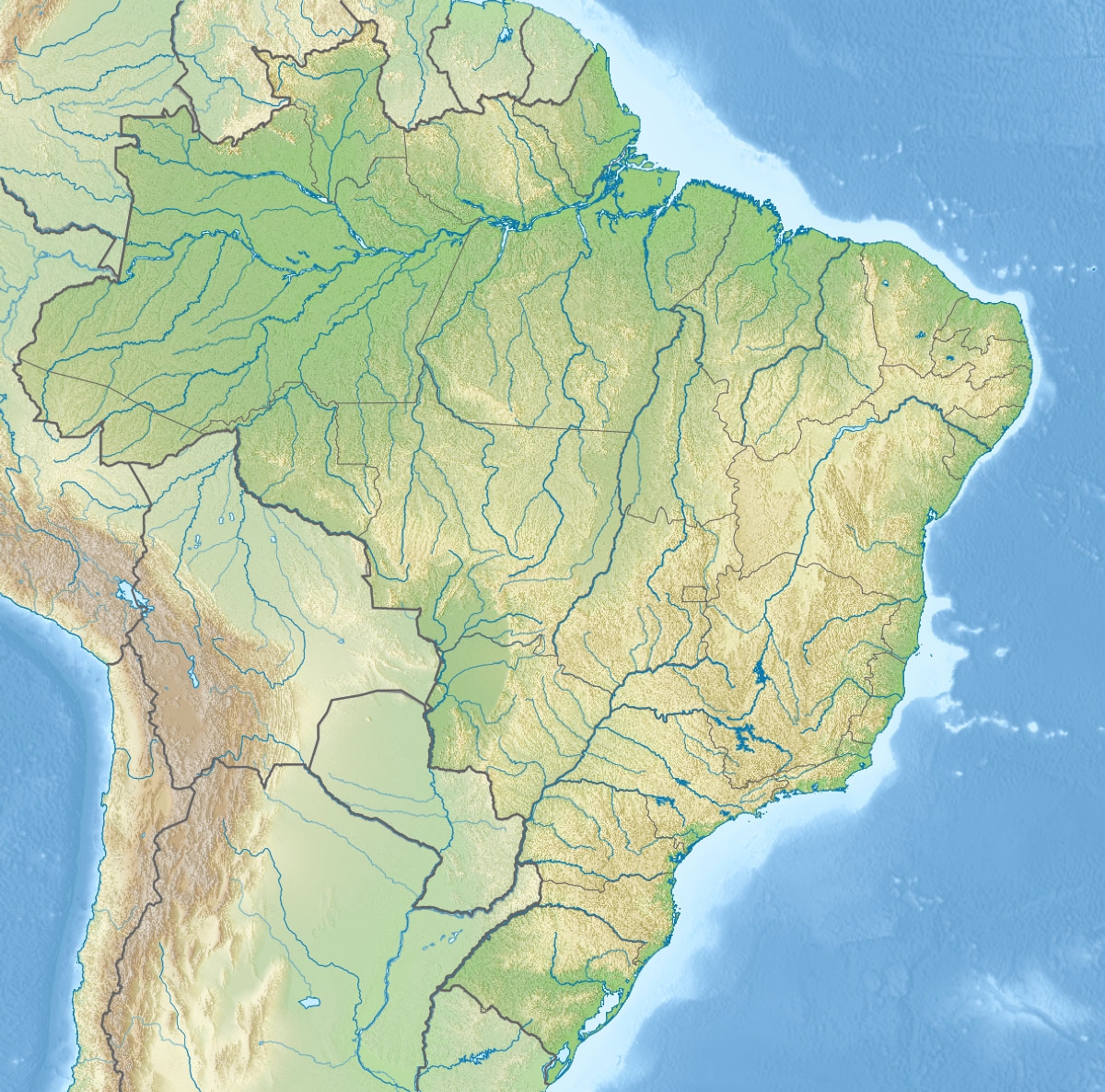
Campo Grande sits on a plateau within the transition zone between the tropical grasslands of the Cerrado and the Pantanal wetlands further west. This setting gives the municipality a landscape of open savanna, wooded patches and agricultural pasture. The climate is generally tropical savanna with distinct wet and dry seasons: rains occur mostly in the warmer months while a drier period prevails in the cooler months, influencing crop cycles and local water management.
History and administration
The settlement that became Campo Grande grew from rural ranching and agricultural activity in the late 19th and early 20th centuries. Over time it developed administrative importance in the region. When the territory that now forms Mato Grosso do Sul was separated administratively from neighboring Mato Grosso during the 1970s, Campo Grande was chosen as the new state's capital; at the time it already ranked among the most populous and economically active urban centers in the area, surpassing some older capitals such as Cuiabá in local prominence.
Economy, transport and institutions
The city's economy is diverse: public administration and services account for a large share, while commerce, education, health care and agribusiness-related industries (especially cattle and crops adapted to the Cerrado) are also important. Campo Grande hosts higher education institutions, including a major federal university, and is home to significant military installations that contribute to the local employment base.
As a transport hub for the state, the city is served by a commercial airport with regular domestic connections and by road links that connect to neighboring states and to inland and coastal markets. These transport links help position Campo Grande as a logistical gateway for goods moving between Brazil's agricultural interior and national distribution networks.
Culture, events and notable facts
Culturally, Campo Grande reflects the blend of indigenous, Portuguese and immigrant influences common to central Brazil, with local festivals, agricultural fairs and rodeo events playing a visible role in social life. The city is often used as a starting point for tourists exploring the southern Pantanal wetlands or the Cerrado savanna. Local landmarks, public parks and museums document regional history and natural heritage.
Quick facts
- Capital of Mato Grosso do Sul.
- Regional hub for education, health and public administration.
- Gateway to the Pantanal and the Cerrado ecosystems.
- Served by an international airport and by major road connections.
For readers seeking more detail on transport schedules, university programs or tourism options, official municipal and state sources provide up-to-date practical information and event listings.
Archdiocese of Campo Grande
- Archdiocese of Campo Grande
Sons of the city
- Luís Antônio Corrêa da Costa, called Müller (* 1966), football player
- José Viegas Filho (* 1942), diplomat
- Vragel da Silva (* 1974), football player
Related articles
Author
AlegsaOnline.com Campo Grande — capital of Mato Grosso do Sul, Brazil Leandro Alegsa
URL: https://en.alegsaonline.com/art/16397