
Camembert — village in Normandy and birthplace of Camembert cheese
Camembert is a small commune in the Orne department of Normandy, France, best known as the traditional birthplace of Camembert cheese and for its dairy farming and culinary heritage.
Camembert is a small rural commune in northwestern France, located in the historic province of Normandy and administratively within the Orne département. Historically it belonged to the area often called Lower Normandy, and today is part of the wider region known for pastureland and dairy production. In 1999 the recorded population of the village was 199 inhabitants, reflecting its character as a small agricultural community.
Image gallery
3 Images
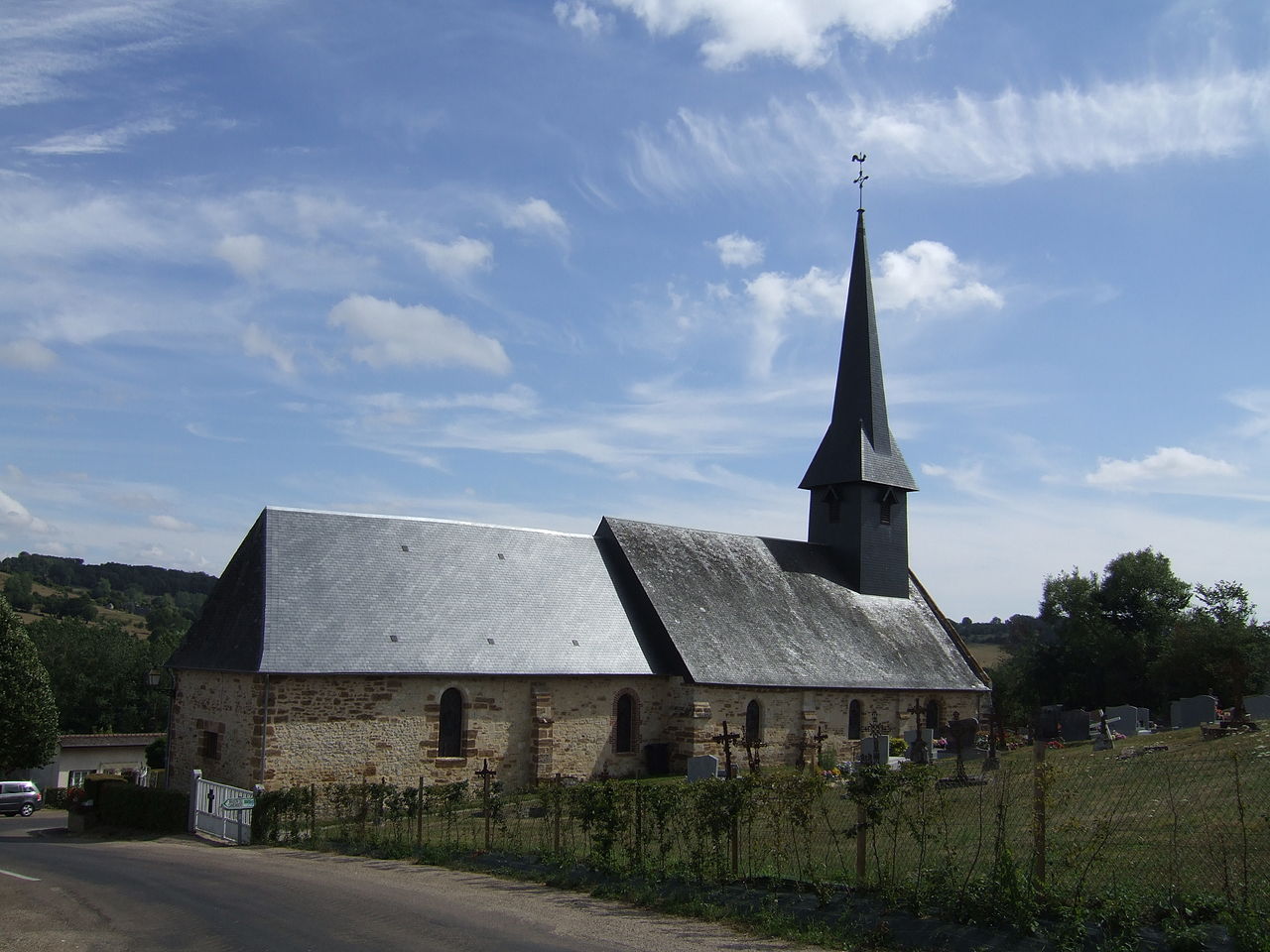

Geography and local character
Camembert sits among the hedged fields and meadows typical of Normandy, a landscape that has long supported dairy herds and small farms. The village centre retains traditional houses and a parish church; farms and cheese producers in the surrounding countryside are an important part of the local economy. The climate and pastures of the area have been important influences on local cheesemaking traditions.
History and the cheese origin
The village is internationally associated with the soft, bloomy-rind cheese that bears its name. Local tradition credits a Normandy peasant, often named in accounts as Marie Harel, with developing an early form of the cheese in the late 18th century; this origin story combines documented history with regional lore. Over the 19th and 20th centuries the cheese type evolved, became widely produced and gained a global reputation.
Production, designation and variations
Today the name Camembert cheese applies both to traditionally made cheeses from the immediate area and to many mass-produced varieties made elsewhere. A protected designation exists for the traditional style (commonly referred to as Camembert de Normandie), which is typically made from raw cow's milk following specific local practices; this contrasts with industrial camemberts commonly made from pasteurised milk.
Culture, tourism and visiting
Camembert’s identity remains closely tied to its dairy heritage. Visitors come to taste cheeses, learn about traditional methods, and visit small local exhibits and workshops that interpret the history of the product. Although the commune is small, it plays an outsized symbolic role in French culinary history and rural tourism. Local guides, departmental resources and regional food routes provide practical information for visitors.
- Orne département — administrative area containing the village.
- Normandy — historic and cultural region.
- Lower Normandy — former administrative designation.
- Regional ties — part of Normandy’s rural heritage.
- France — national context.
- Camembert cheese — origin and cultural legacy.
- Camembert (commune) — local information and administration.
Related articles
Author
AlegsaOnline.com Camembert — village in Normandy and birthplace of Camembert cheese Leandro Alegsa
URL: https://en.alegsaonline.com/art/16304