
Call and Response (Music): Form, Function, and Cultural Context
Call and response is a musical pattern where a leader's phrase is answered by another performer or group; widely used across traditions from West African vocal music to gospel, blues, jazz, folk and popular song.
Overview
Call and response is a musical technique in which one voice or instrument presents a phrase (the "call") and a second voice, group, or instrument replies (the "response"). The response can repeat, vary, answer, or comment on the call. The exchange often resembles ordinary conversational turn-taking and can be short or extended, fixed or improvised. It appears in many cultures and settings, including religious services, work songs, dances, and modern popular music.
Image gallery
9 Images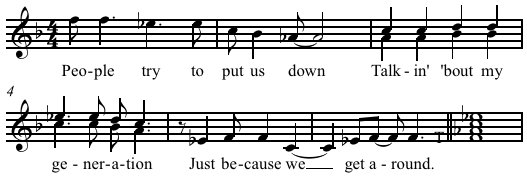




Characteristics and structure
Typical features include a clear leader and a responder, a predictable alternation of parts, and a sense of dialogue. Structurally it may take the form of a short musical phrase followed by an answering phrase, or of a verse followed by a chorus. The response can be vocal or instrumental, and may be performed by a soloist, a chorus, or a backing ensemble. Variations often include call-and-response chains, overlapping replies, or improvisatory answers.
- Leader (call): introduces a melody, rhythm, or verbal line.
- Responder (response): answers with repetition, variation, or contrast.
- Role in form: creates momentum, expectation, and participation.
- Performance modes: fixed composition, improvised exchanges, or mixed.
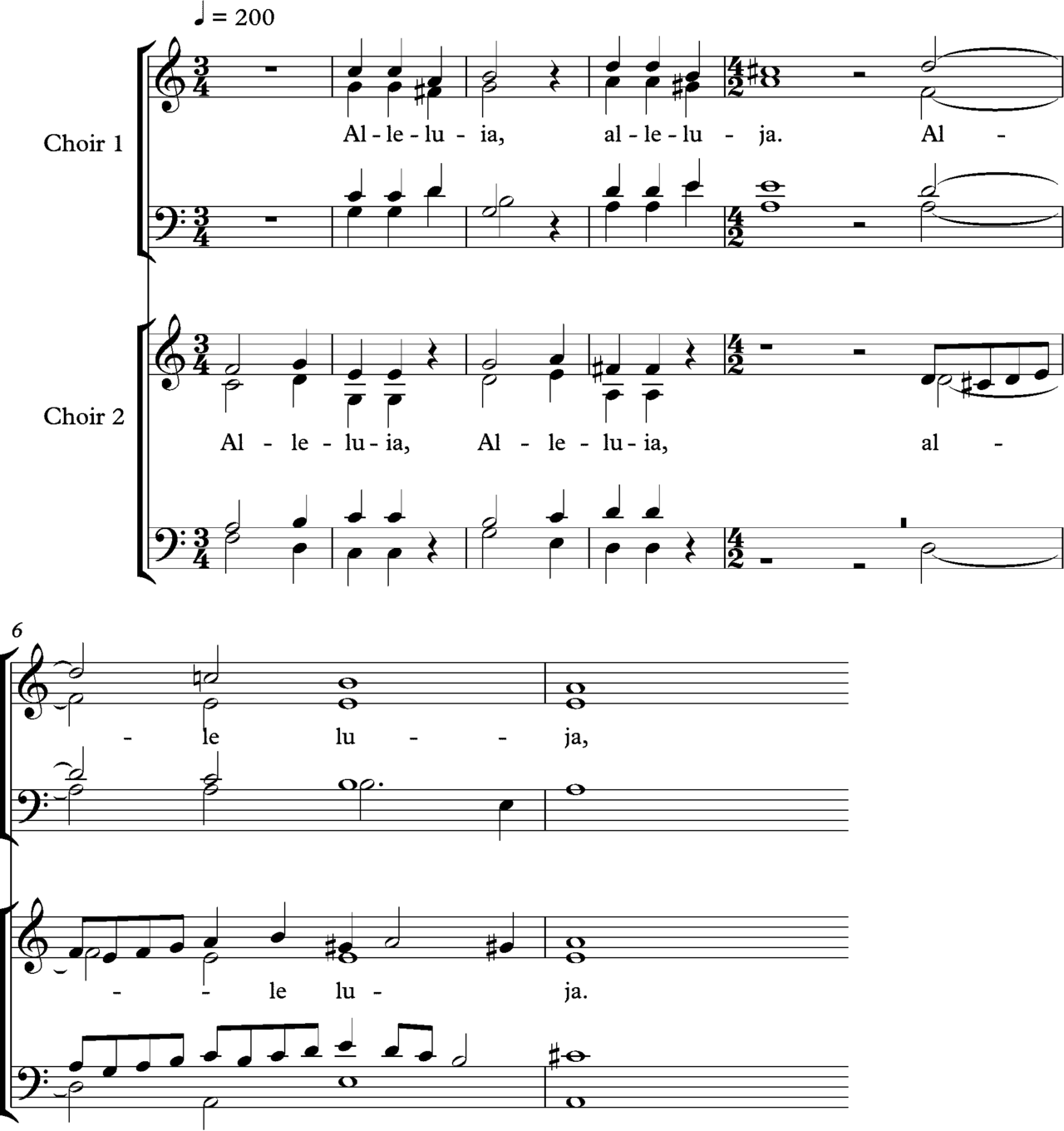
Scholars and musicians sometimes distinguish call-and-response from related terms such as antiphony or responsorial singing, though the concepts overlap: antiphony often refers to spatially separated choirs answering each other, while responsorial singing usually implies a leader-congregation pattern.
History and cultural importance
The pattern is especially associated with West African musical practices and the African diaspora, where it served social, ceremonial, and communicative functions. Enslaved communities adapted call-and-response in spirituals, work songs, and later in blues and gospel, keeping interactive performance central. Call-and-response also appears in maritime work songs, traditional folk music across continents, and in many Indigenous musical traditions.
In the twentieth century it became fundamental to jazz, rhythm and blues, soul, and rock, shaping arrangements that encourage audience participation. Contemporary pop, hip-hop, and electronic music continue to use call-and-response to create hooks and collective engagement.
Uses, examples, and significance
Call and response functions to unify performers and listeners, to coordinate group work (for example in field or shipboard labor), and to facilitate learning and memory. It is commonly used in education and communal singing because its predictable alternation supports call-and-repeat pedagogy and active involvement. For further reading and musical examples see general resources, academic discussions, and collections of recordings and transcriptions at archival sites and cultural centers.
Because of its adaptability, call and response remains one of the most enduring and cross-cultural musical practices, valued for both its expressive possibilities and its power to bring people together.
Questions and answers
Q: What is a call and response in music?
A: A call and response in music is a series of two parts usually played or sung by different musicians where the second part is heard as a comment about or an answer to what the first has sung.
Q: What does call and response mimic?
A: Call and response mimics or makes fun of how people talk back and forth to each other.
Q: What simple musical form does call and response use?
A: Call and response uses the simple musical form of a verse and then a chorus used in many cultures or traditions.
Q: Are call and response songs usually boring or fun to listen to?
A: Call and response songs are usually energetic and fun to listen to.
Q: Can call and response be played by the same musician?
A: It is possible for call and response to be played by the same musician, but it is more commonly played or sung by different musicians.
Q: Does call and response require special musical instruments?
A: Call and response does not necessarily require special musical instruments as it can be performed with any instrument, including the human voice.
Q: How does call and response affect the rhythm of the music?
A: Call and response creates an alternating rhythm between the call and the response, which creates a sense of anticipation and interaction between the musicians involved.
Related articles
Author
AlegsaOnline.com Call and Response (Music): Form, Function, and Cultural Context Leandro Alegsa
URL: https://en.alegsaonline.com/art/16160
Sources
- allmusic.com : "Biography by Jason Ankeny"
- offbeat.com : "Masters Of Louisiana Music: Jessie Hill"