
California State Legislature
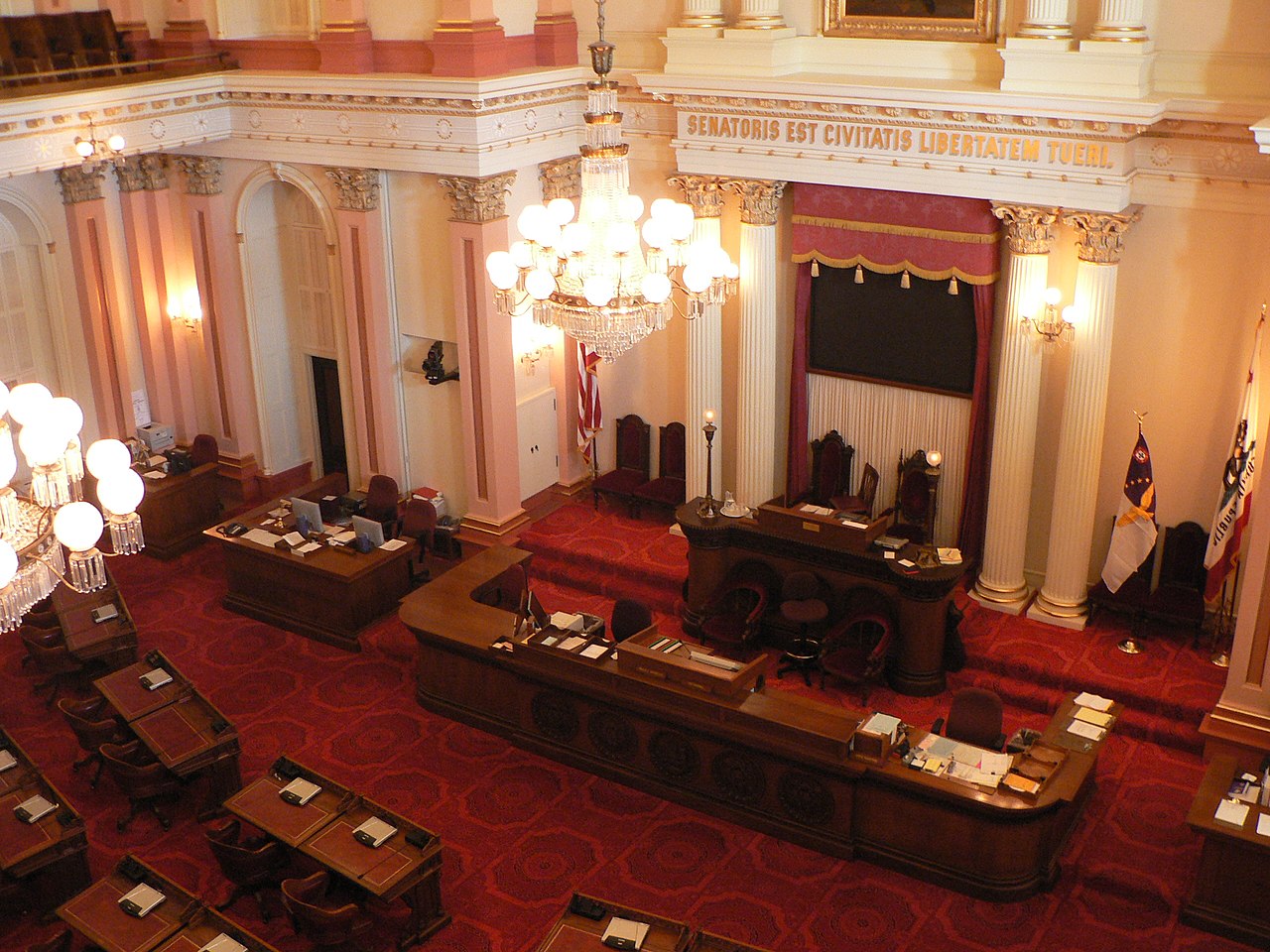
The bicameral legislative body of California, consisting of an 80-member Assembly and a 40-member Senate, responsible for enacting state law, adopting budgets, and providing oversight of state government.
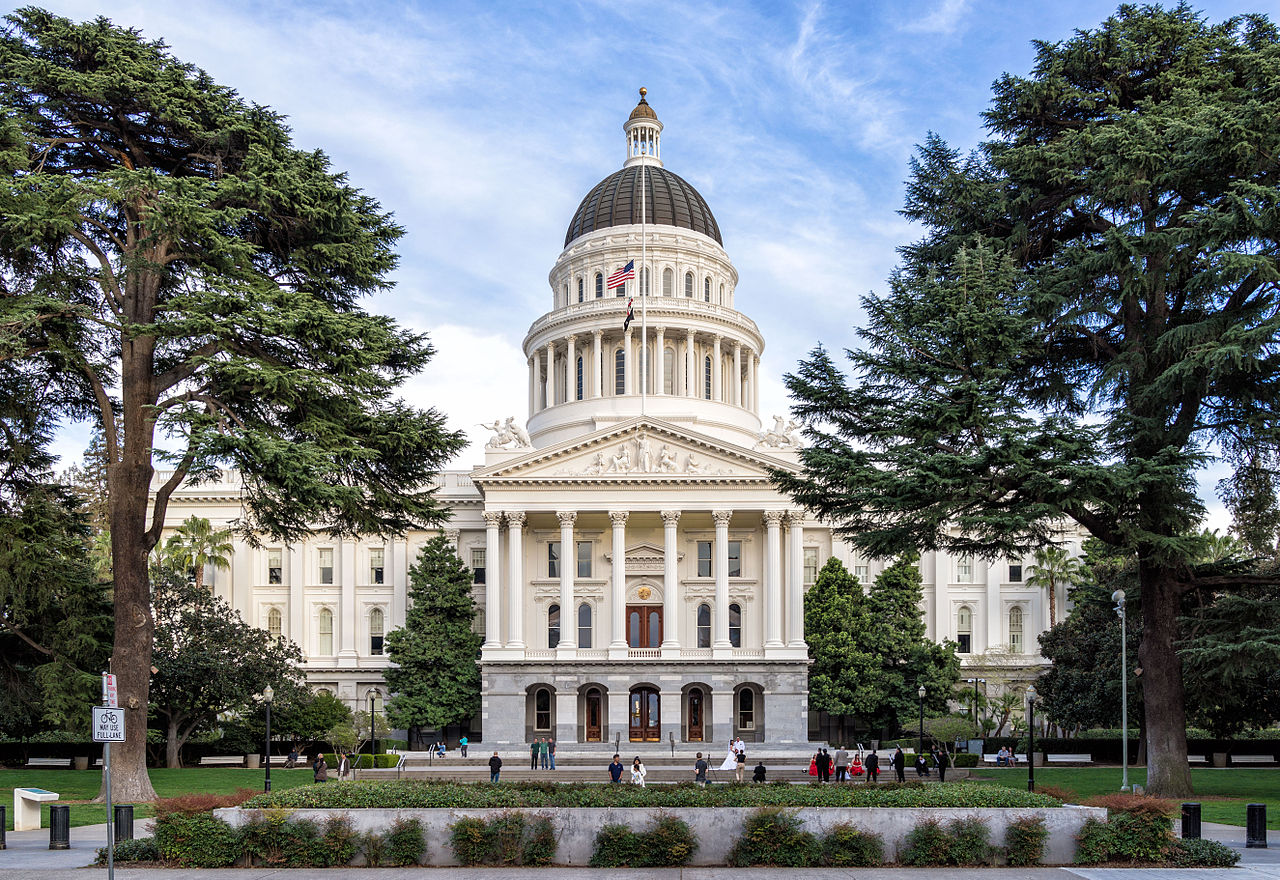
The bicameral legislature for the state of California in the United States is made up of two chambers: a lower house and an upper house. The lower chamber, the lower house, is the California State Assembly with 80 members. The upper chamber, the upper house, is the California State Senate with 40 members. Both chambers meet at the California State Capitol in Sacramento.
Image gallery
9 Images




Structure and membership
Assembly members are elected to two-year terms; senators serve four-year terms with staggered elections so roughly half the Senate is chosen every two years. The Legislature operates as one of the nation's full-time state legislatures, with members, staff, and committees working year-round to draft and review legislation. Term limits and rules for committee assignments shape how legislators gain influence.
Legislative process
Legislation typically begins with bill introduction, referral to committee, public hearings, and floor votes in both chambers. Approved measures go to the governor, who may sign them into law or veto them; the Legislature can override vetoes by specified majorities. The annual state budget is a central responsibility, requiring negotiation between the governor and legislative leaders and often driving policy priorities.
History and political context
The modern California Legislature evolved as the state grew into the country's most populous, expanding staff and institutional capacity. In recent decades the Democratic Party has held majorities in both houses, influencing the chamber agendas and leadership positions. Changes to rules, ballot propositions, and election patterns have periodically altered the institution's balance and practices.
Functions, examples, and significance
Beyond passing statutes, the Legislature approves the state budget, confirms certain appointments, conducts oversight of state agencies, and responds to emergencies through special legislation. Its actions affect education, transportation, health care, environmental regulation and local governance, making it a central actor in Californians' daily lives.
Notable facts and distinctions
- The two-chamber design mirrors the federal model but is adapted to state needs.
- As a full-time legislature, it contrasts with part-time legislatures in smaller states.
- Meeting location and public sessions occur at the state capitol, with archives and public records maintained for transparency.
- Membership numbers (80 Assembly, 40 Senate) reflect representation across diverse regions of the state.
For more detailed procedural rules, committee lists, calendars and bill texts consult official legislative resources and archives maintained by the state and its public information offices (overview, role, state context, California history, federal comparison, Assembly details, Assembly page, Senate details, Senate page, full-time legislature info, capitol resources, party context).
Questions and answers
Q: What type of legislature is the California State Legislature?
A: The California State Legislature is a bicameral legislature for the state of California in the United States.
Q: How many members does the California State Assembly have?
A: The California State Assembly has 80 members.
Q: How many members does the California State Senate have?
A: The California State Senate has 40 members.
Q: Where do both houses of the California State Legislature meet?
A: Both houses of the California State Legislature meet at the California State Capitol in Sacramento.
Q: How many full-time state legislatures are there in the United States?
A: There are ten full-time state legislatures in the United States.
Q: Which political party currently controls both houses of the California State Legislature as of December 2020?
A: As of December 2020, the Democratic Party controls both houses of the California State Legislature.
Q: What is the name of the lower house of the California State Legislature?
A: The name of the lower house of the California State Legislature is the California State Assembly.
Related articles
Author
AlegsaOnline.com California State Legislature Leandro Alegsa
URL: https://en.alegsaonline.com/art/16137
Sources
- leginfo.legislature.ca.gov : "CALIFORNIA CONSTITUTION, ARTICLE IV LEGISLATIVE"