
Busan — South Korea’s major port city and coastal metropolis
Busan is South Korea's second-largest city and a major maritime, cultural and economic center on the southeastern tip of the Korean Peninsula.
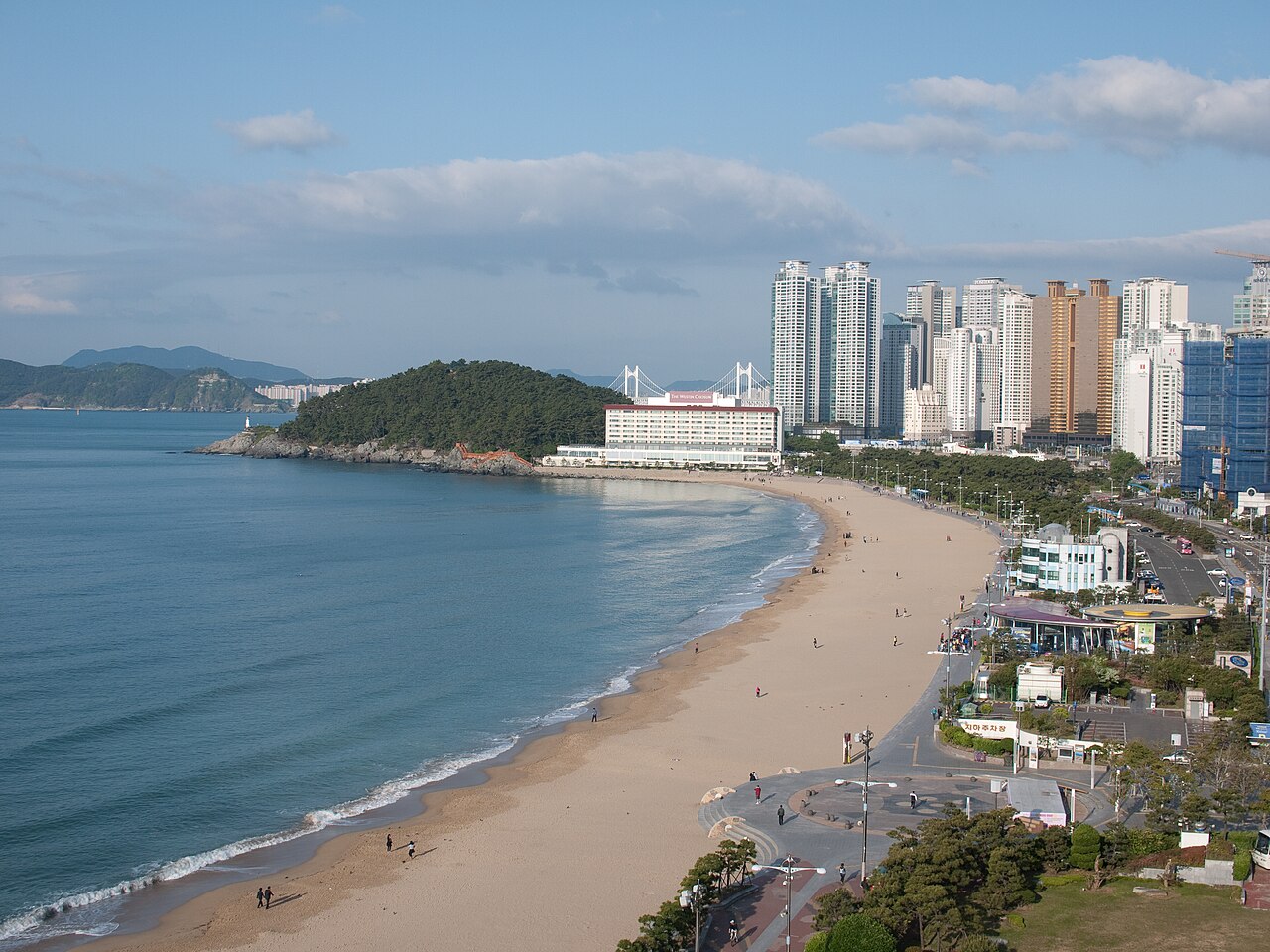
Busan (formerly romanized as Pusan) is the largest port city in South Korea and the country's second-largest metropolis. Located on the southeast tip of the Korean Peninsula, it combines a long coastline, large harbor facilities and dense urban districts. The city is widely known for its maritime trade and tourism, with landmarks such as Haeundae Beach and the extensive Busan port complex. According to national figures around 2012 the municipality had roughly 3.4 million residents; as a major regional hub it continues to attract domestic migration and visitors.
Image gallery
10 Images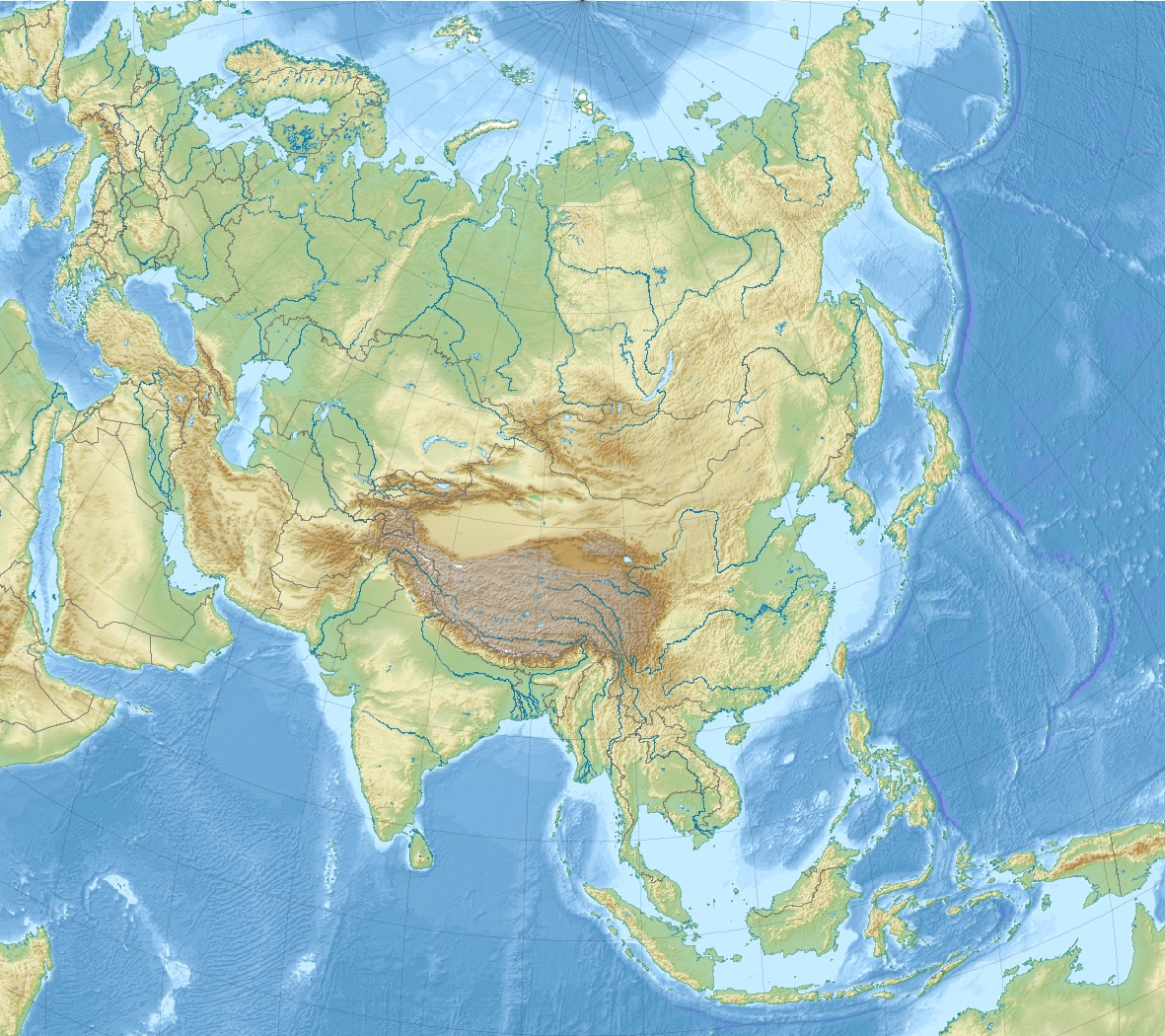




Geography and neighborhoods
Busan stretches across bays, rivers and peninsulas, producing a mix of steep hills and narrow coastal plains. Notable districts and areas include Haeundae and Gwangalli beaches, the historic port district of Nampo-dong, and the brightly painted Gamcheon culture village. Many neighborhoods are defined by their relationship to the sea—commercial docks, fishing piers, ferry terminals and seaside promenades—so the urban fabric is heavily maritime in character.
Economy and the port
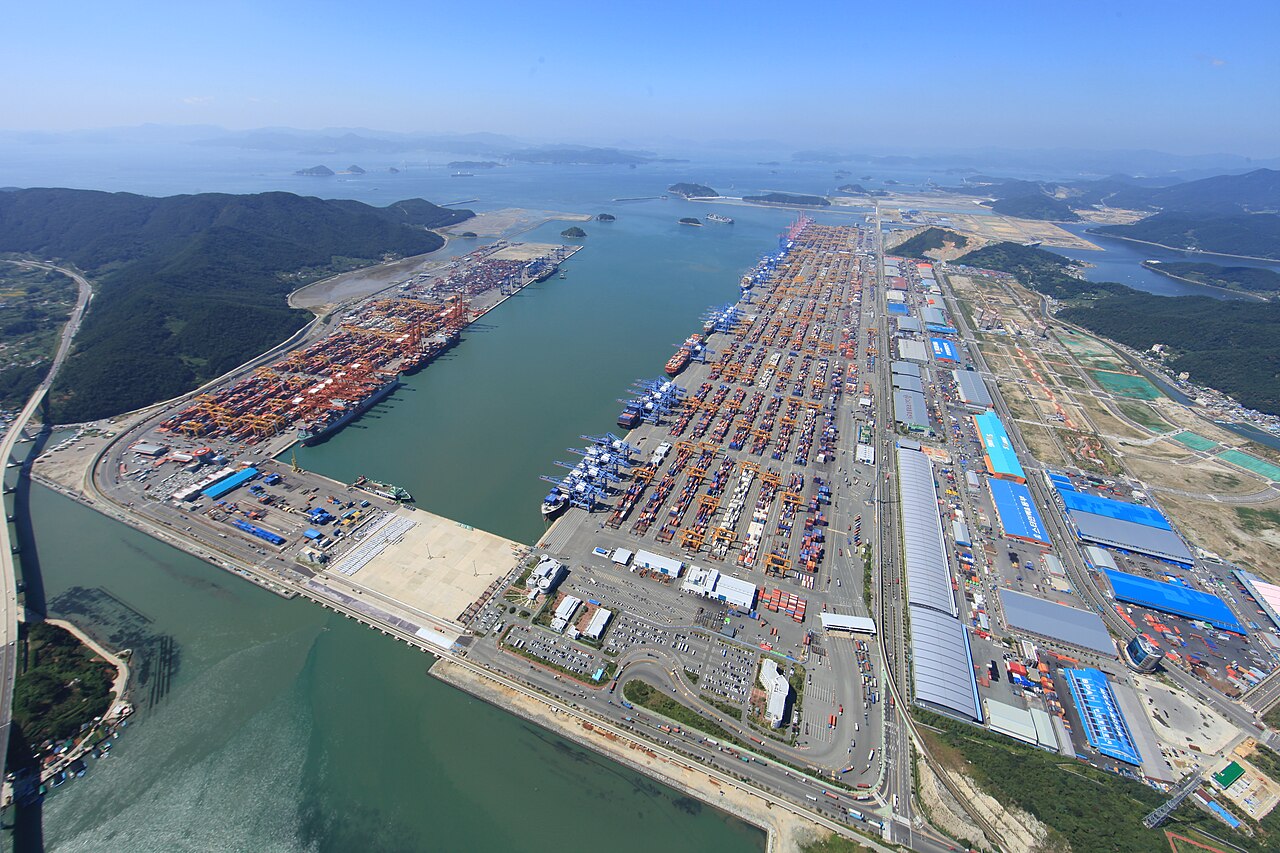
The city's economy is dominated by shipping, logistics and related industries. Busan's port handles large volumes of container and bulk cargo and serves as a key gateway for international trade in Northeast Asia. The port and associated logistics are often highlighted when discussing Busan's role in national and regional transport networks; authoritative descriptions treat it as South Korea's largest such facility (port) and an essential node in national transport infrastructure. The urban economy also includes manufacturing, shipbuilding, tourism and services.
History and modern development
Historically a fishing and trading settlement, Busan's strategic value grew with modern shipping. During the Korean War the city played a critical role as one of the few major South Korean cities not occupied by North Korean forces (part of the Busan Perimeter), and it briefly functioned as a seat of government and a key logistics base. In the decades since, Busan has pursued large-scale urban renewal, port expansion and international outreach, hosting major international events that raised its global profile.
Culture, events and attractions
Busan combines a lively cultural scene with popular outdoor attractions. It has hosted major multi-sport and diplomatic gatherings such as the 2002 Asian Games and the 2005 APEC meeting, and it made bids to host global sporting events including the 2018 Winter Olympics and the 2024 Summer Olympics. The city is also known for its film festival, beaches, seafood markets, temples and modern museums. Several internationally known K-pop artists trace their roots to Busan, which has contributed to the city’s contemporary cultural reputation (popular musicians).
Transit, sports and notable organizations
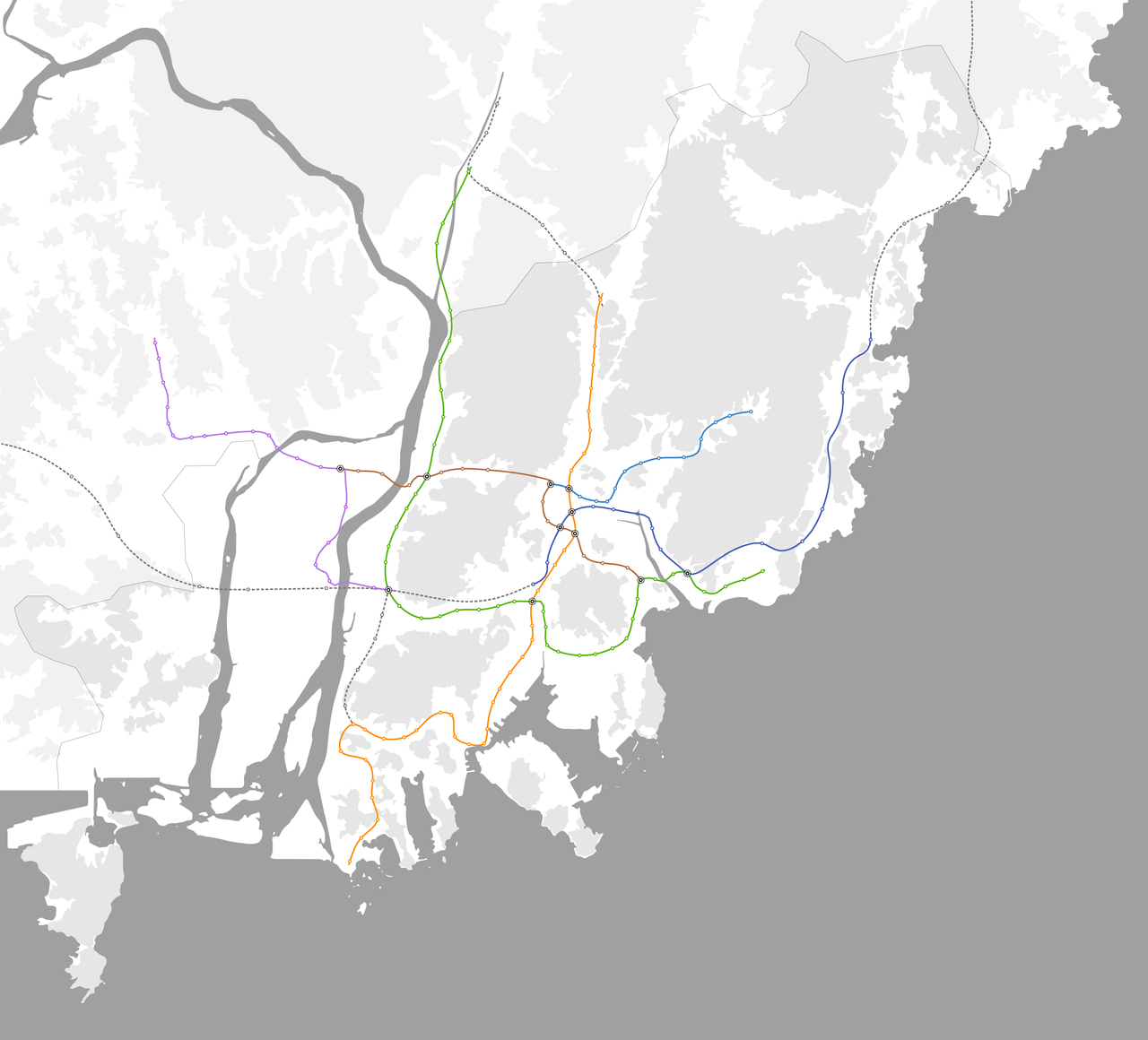
Busan is served by an extensive public transit system, including metro lines, intercity rail and a busy airport connecting domestic and international routes. The port connects to global shipping lanes and regional ferries. In sports, Busan supports professional teams such as the Lotte Giants of the national baseball circuit, which play in the Korea Baseball Organization (KBO). The city's mix of industrial activity, cultural venues and seaside recreation makes it a significant coastal metropolis in East Asia.
- Main attractions: Haeundae Beach, Gwangalli, Gamcheon Culture Village
- Major roles: maritime trade, tourism, cultural events
- Global links: international shipping and diplomatic summits
For practical information and official resources about Busan’s economy, transport and visitor services, consult local government and tourism guides (South Korea national pages and municipal portals often provide updated data and contacts).
Questions and answers
Q: Where is Busan located?
A: Busan is located on the southeast tip of the Korean Peninsula.
Q: What is Busan known for?
A: Busan is best known for Busan Port and Haeundae Beach.
Q: What is the population of Busan according to the 2012 census?
A: According to the 2012 census, the population of Busan was about 3,439,000.
Q: Who are Jeon Jungkook and Park Ji-min?
A: Jeon Jungkook and Park Ji-min are vocalists who are native to Busan and are considered the pride and joy of the city.
Q: What role did Busan have during the Korean War?
A: Busan had an important role during the Korean War because it was one of two cities that were not invaded by North Korea.
Q: Has Busan hosted any international events?
A: Yes, Busan has hosted the Asian Games in 2002 and the APEC summit in 2005. It also bid to host the 2018 Winter Olympics and the 2024 Summer Olympics.
Q: What is the Lotte Giants?
A: The Lotte Giants is a professional baseball team in the Korea Baseball Organization league, and it is based in Busan.
Related articles
Author
AlegsaOnline.com Busan — South Korea’s major port city and coastal metropolis Leandro Alegsa
URL: https://en.alegsaonline.com/art/15576
Sources
- geographic.org : "Pusan-gwangyŏksi: South Korea"
- brookings.edu : "Global city GDP 2014"
- busan.go.kr : "The origin of the name Busan"