
Burns Night: Celebrating Robert Burns and the Burns Supper
Burns Night is the annual celebration of poet Robert Burns on 25 January, centred on the Burns Supper—a ritualised meal with poems, music, toasts and traditional Scottish fare observed in Scotland and worldwide.
Overview
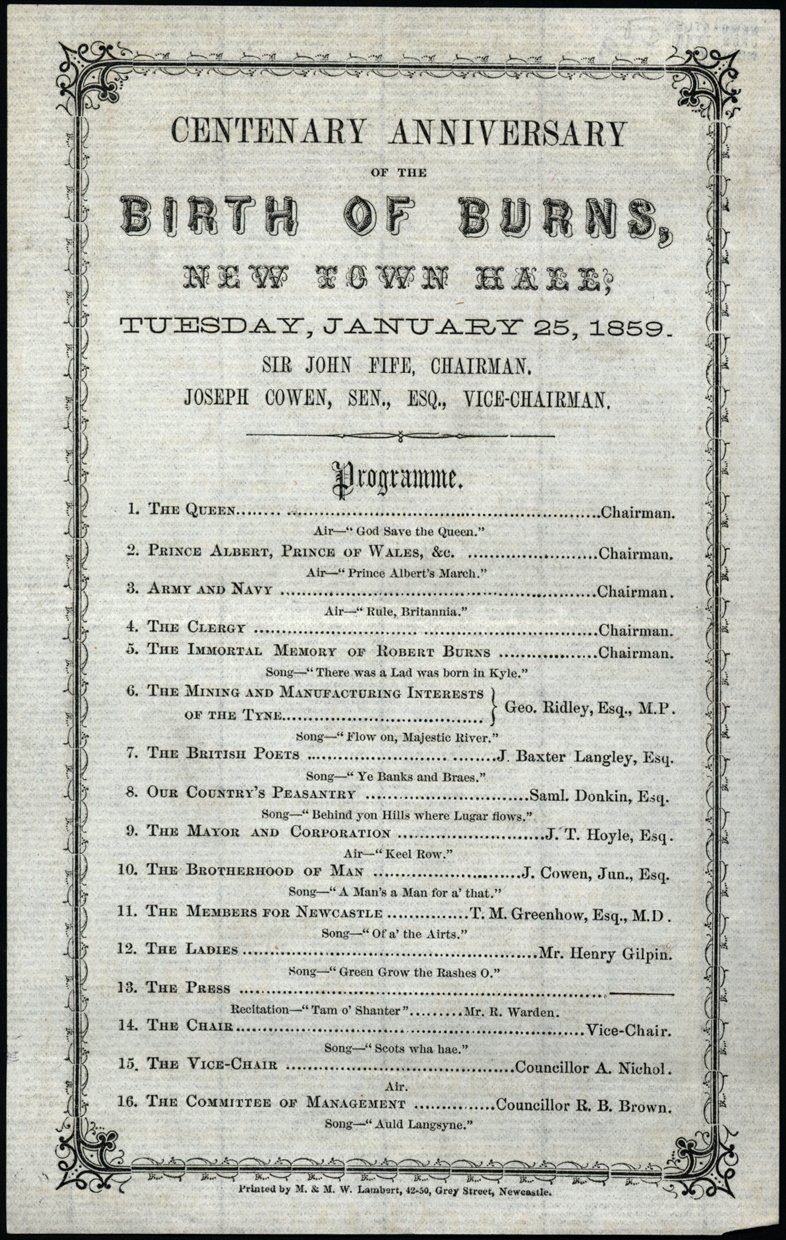
Burns Night marks the birth of the Scottish poet Robert Burns (born 25 January 1759) and is observed each year on 25 January. It is best known for the Burns Supper, a communal meal combining food, music, recitation and toasts that honour the poet's life and work. While the custom is rooted in Scotland, it is celebrated by Scottish communities, literary societies and enthusiasts around the world.
Image gallery
10 Images




Typical elements and structure
A formal Burns Supper follows a recognisable sequence that blends ceremony and conviviality. Common elements include:
- Gathering: guests assemble, often with bagpipe music and occasional Highland dress.
- Grace: a short blessing or grace—often the traditional "Selkirk Grace"—may be said before the meal.
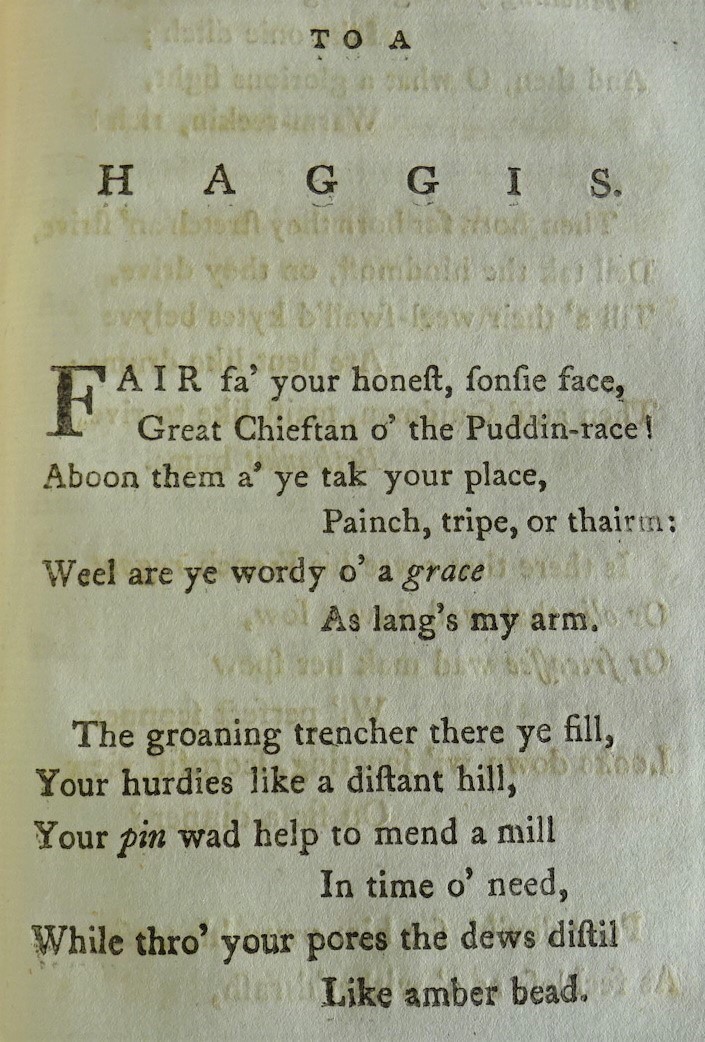
- Piping in the haggis: the haggis is ceremonially brought in, frequently accompanied by bagpipes and a procession.
- Address to the Haggis: a dramatic recitation that culminates in the ceremonial cutting of the haggis.
- Immortal Memory: a speech that reflects on Burns's life, influence and themes in his poetry.
- Poems and songs: selections commonly include "To a Mouse," "A Red, Red Rose" and other works, often interspersed with music.
- Toast to the Lassies" and "Reply from the Lassies: light-hearted exchanges in which men and women offer humorous tributes and responses.
- Conclusion: gatherings often close with communal singing of "Auld Lang Syne" or another Burns-associated song.
History and development
Burns Suppers emerged in the years after Burns's death and became institutionalised through local clubs and literary societies that sought to preserve his legacy. Over the 19th and 20th centuries the ritual expanded beyond its Scottish origins as migrants and admirers carried the custom to other countries. While the precise form varies, the core idea—celebrating a poet whose work spoke to ordinary life, language and sentiment—remains constant.
Variations and contemporary practice
Modern observances range from formal dinners attended by societies to informal family meals. Haggis remains central in traditional suppers, but vegetarian and vegan alternatives are widely used. Programmes vary in tone from solemn literary appreciation to highly convivial social evenings; many events now include contemporary reflections on Burns's themes such as social equality, nature and national identity.
Significance and cultural notes
Burns Night serves both as a celebration of a specific poet and as an expression of Scottish cultural identity. It combines literary appreciation with ritual, hospitality and humour, allowing communities to connect through shared songs, readings and food. The event continues to be a point of cultural exchange, adaptation and public commemoration in Scotland and across the global Scottish diaspora.

Related articles
Author
AlegsaOnline.com Burns Night: Celebrating Robert Burns and the Burns Supper Leandro Alegsa
URL: https://en.alegsaonline.com/art/15509