
Lethwei (Burmese boxing)
Lethwei, or Burmese boxing, is Myanmar’s traditional full‑contact bareknuckle striking art. It permits headbutts and emphasizes knockouts, while modern promotions vary rules for safety and judging.
Overview
Lethwei, commonly called Burmese boxing, is a traditional full‑contact striking art from Myanmar. The name appears in the local script (Burmese script) and is commonly described with phonetic notation (IPA). Lethwei is characterized by aggressive forward pressure, clinch work and a permissive rule set that historically allowed headbutts and bareknuckle fighting. The sport has both folk‑festival roots and a developing professional scene.
Image gallery
10 Images


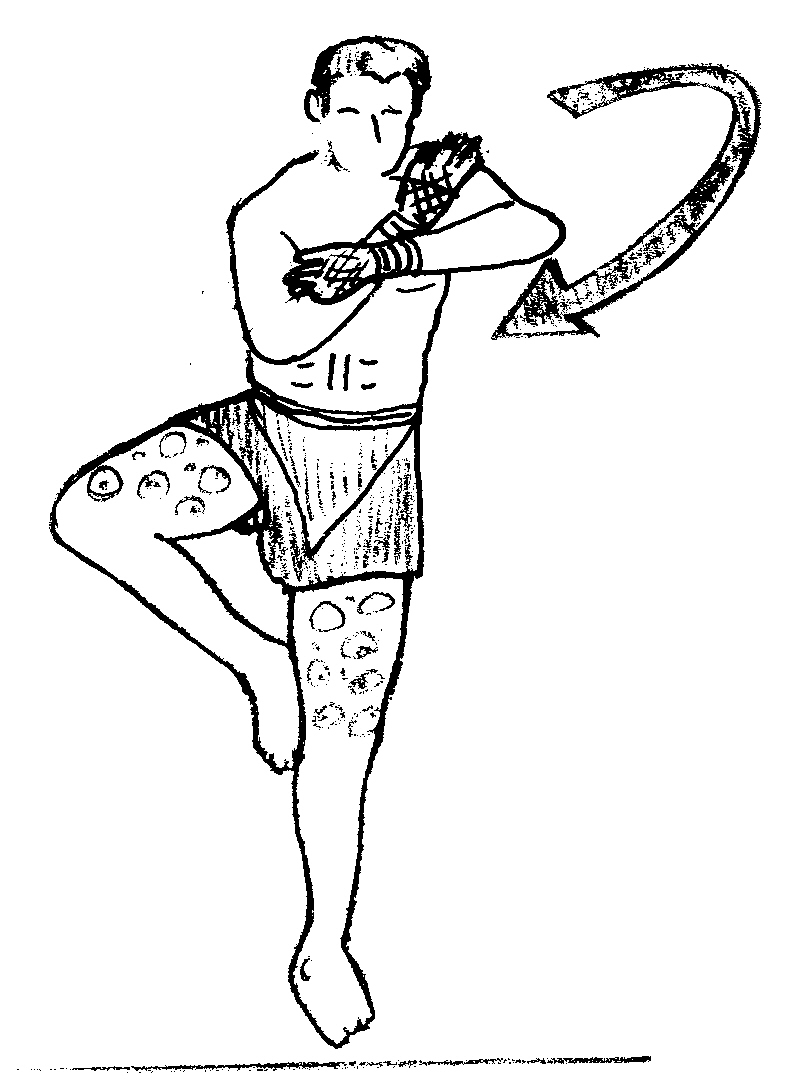


Techniques and fighting style
The technical repertoire includes punches, kicks, elbows, knees, clinch strikes, throws and headbutts. Fighters emphasize power, timing and finishing ability more than prolonged point scoring. Footwork and distance management remain important, but lethwei contests often reward decisive, fight‑ending strikes. Conditioning and the capacity to absorb blows are central to traditional training.
- Allowed attacks: punches, kicks, elbows, knees, clinch techniques and headbutts in many traditional rulesets.
- Protection and attire: typically minimal hand wraps or bareknuckle; some modern events use standardized gloves or light hand protection.
- Common outcomes: knockouts, technical stoppages, or draws under certain traditional conditions when no stoppage occurs.
Rules and contest formats
There is no single universal ruleset. Traditional lethwei often prioritized knockouts and sometimes declared a bout a draw if neither competitor was stopped. Contemporary promotions can introduce timed rounds, judges, weight classes and medical checks. Variation between local festival bouts and professionally promoted events is substantial; some modern shows aim to balance tradition with athlete safety and international sporting expectations.
History and cultural role
Lethwei developed over many generations as a village pastime, a martial tradition and a battlefield skill in the region now known as Myanmar. It has been performed at seasonal fairs, national celebrations and in gym environments. The art carries cultural symbolism for many communities and has served as a test of courage and physical skill in local contexts.
Training and preparation
Training typically includes striking drills, clinch work, conditioning, sparring and mental preparation. Traditional regimens may emphasize toughening the hands and head for bareknuckle competition, while contemporary coaches often adopt modern strength, conditioning and injury‑prevention methods. Gyms in Myanmar and abroad teach both classical techniques and adaptations for regulated sport settings.
Modern revival and international interest
In recent decades lethwei has attracted increased media coverage, organised promotions and foreign competitors. Promoters have presented both traditional bareknuckle bouts and adapted formats intended to meet broader safety standards. This exposure has led to exchanges with practitioners of Muay Thai, kickboxing and mixed martial arts, resulting in cross‑style matchups and broader public awareness.
Safety, regulation and debate
Because of its permissive techniques, including headbutts and minimal padding, lethwei raises safety and ethical questions familiar to many combat sports. Advocates of regulation stress medical supervision, weight classes and clear rules, while supporters of traditional formats emphasize cultural continuity and authenticity. Many organisations now seek compromise solutions to preserve identity while reducing unnecessary risk.
Comparisons and context
Compared with neighbouring striking arts such as Muay Thai, lethwei is distinguished by its historical use of headbutts and frequent bareknuckle competition. Both arts share clinch emphasis and elbow and knee techniques, but they differ in rules, cultural framing and customary contest outcomes. For further reading on language and cultural notes, see the script and phonetic links above.
Further resources
Introductory overviews, training resources and event listings can be found through specialised martial arts organisations and cultural publications that cover Myanmar’s sporting traditions. Readers seeking practical instruction should consult experienced coaches and regulated gyms and follow current rules for the promotion they intend to join or attend.
Questions and answers
Q: What is Burmese boxing?
A: Burmese boxing, also known as Lethwei, is a full contact combat sport from Myanmar.
Q: Why is Lethwei considered to be one of the most brutal martial arts?
A: Lethwei is considered to be one of the most brutal martial arts in the world because headbutts are permitted and the fights are done bareknuckle.
Q: What does the term Lethwei mean?
A: The term Lethwei is the Burmese word for "bare-handed" or "bare-knuckle boxing".
Q: Are gloves worn in Lethwei fights?
A: No, gloves are not worn in Lethwei fights. The fights are done bareknuckle.
Q: Why are headbutts permitted in Lethwei?
A: Headbutts are permitted in Lethwei because it is considered to be one of the most effective ways to knock out opponents in close combat.
Q: Is Lethwei a popular sport in Myanmar?
A: Yes, Lethwei is a popular sport in Myanmar and is often featured in traditional festivals and competitions.
Q: What other combat sports originated in Myanmar?
A: Other combat sports that originated in Myanmar include Bando, Banshay, and Naban.
Related articles
Author
AlegsaOnline.com Lethwei (Burmese boxing) Leandro Alegsa
URL: https://en.alegsaonline.com/art/15477