
Buoy (floating maritime marker and device)
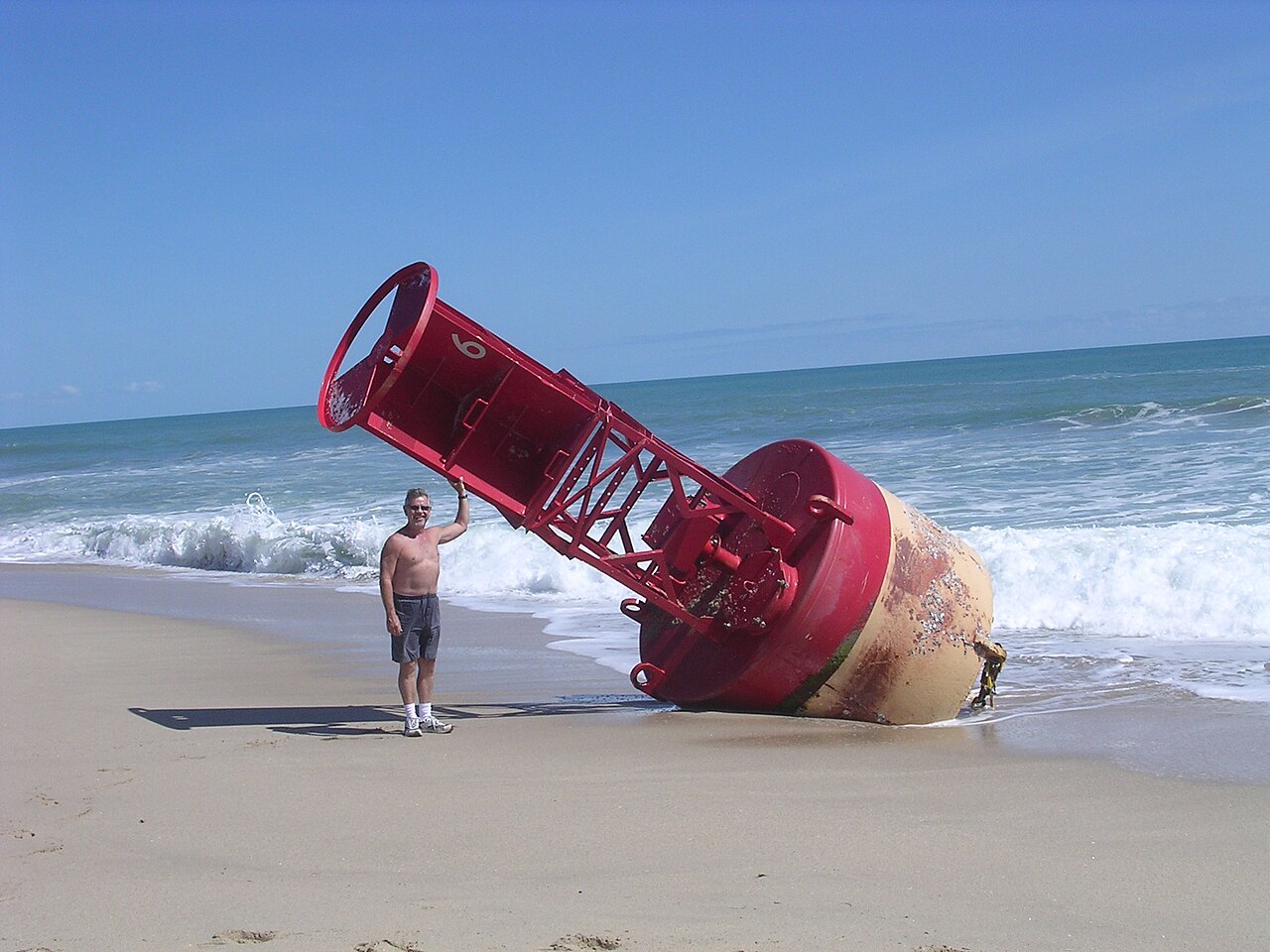
A buoy is a floating marker or platform used at sea and on inland waters to mark channels, hazards, moorings, scientific stations, and for navigation and safety.
Overview
A buoy is a floating device that remains on the surface of water to mark a location, convey information, or support equipment. Buoys are common in oceans, rivers, lakes and harbours. In everyday speech the word is often pronounced “boy” or in some accents “boo-ee”. Many buoys are fixed in place by an anchoring system or allowed to drift.
Image gallery
10 Images




Design and components
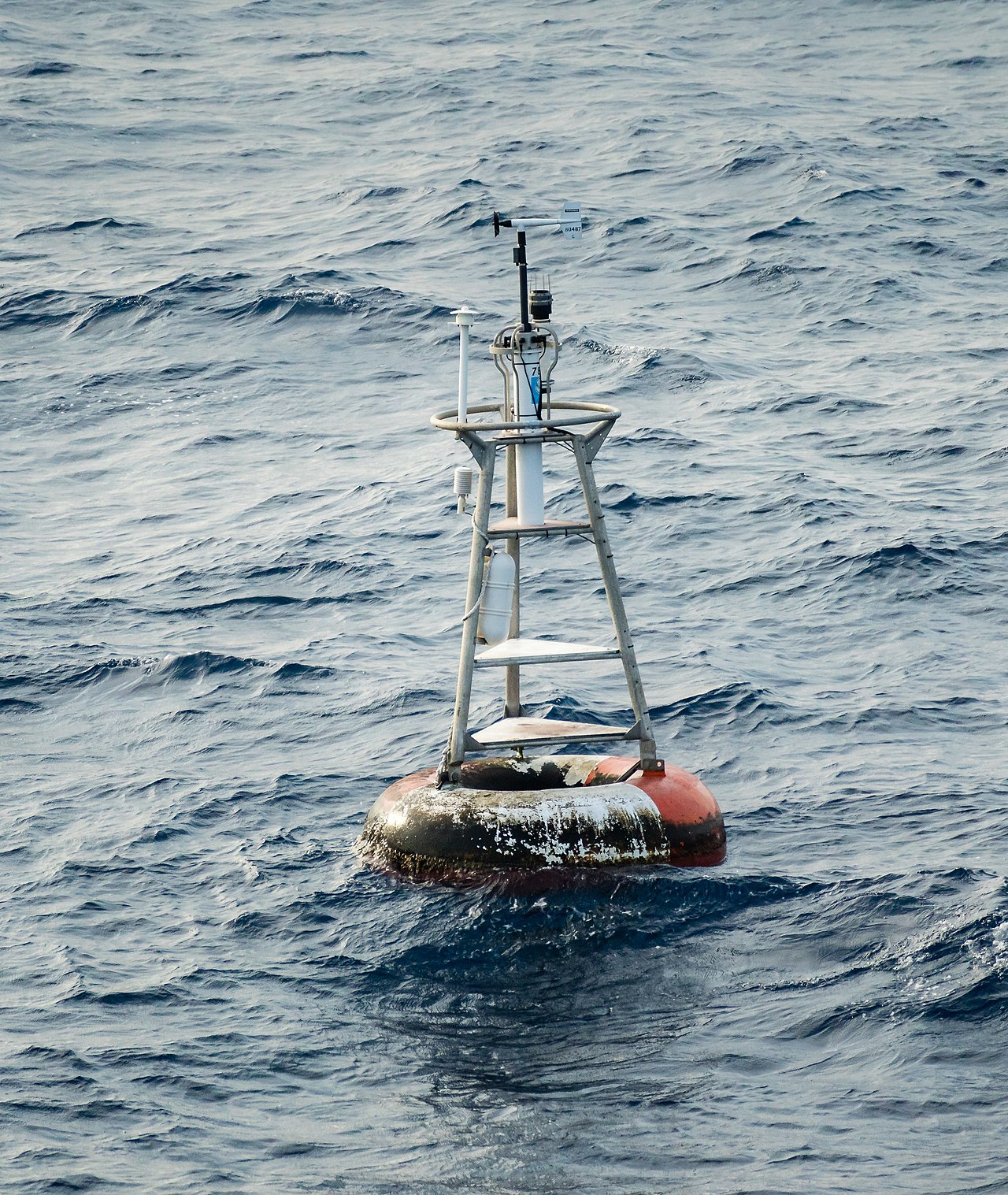
Typical buoys consist of a visible floatation body, a tower or mast for lights and signals, ballast to keep them upright, and an anchor line or chain connected to a weight on the seabed. Materials range from steel and concrete to plastics and foam. Electronic equipment such as lights, radar reflectors, GPS, sensors and telemetry are commonly mounted on modern buoys.
Functions and uses
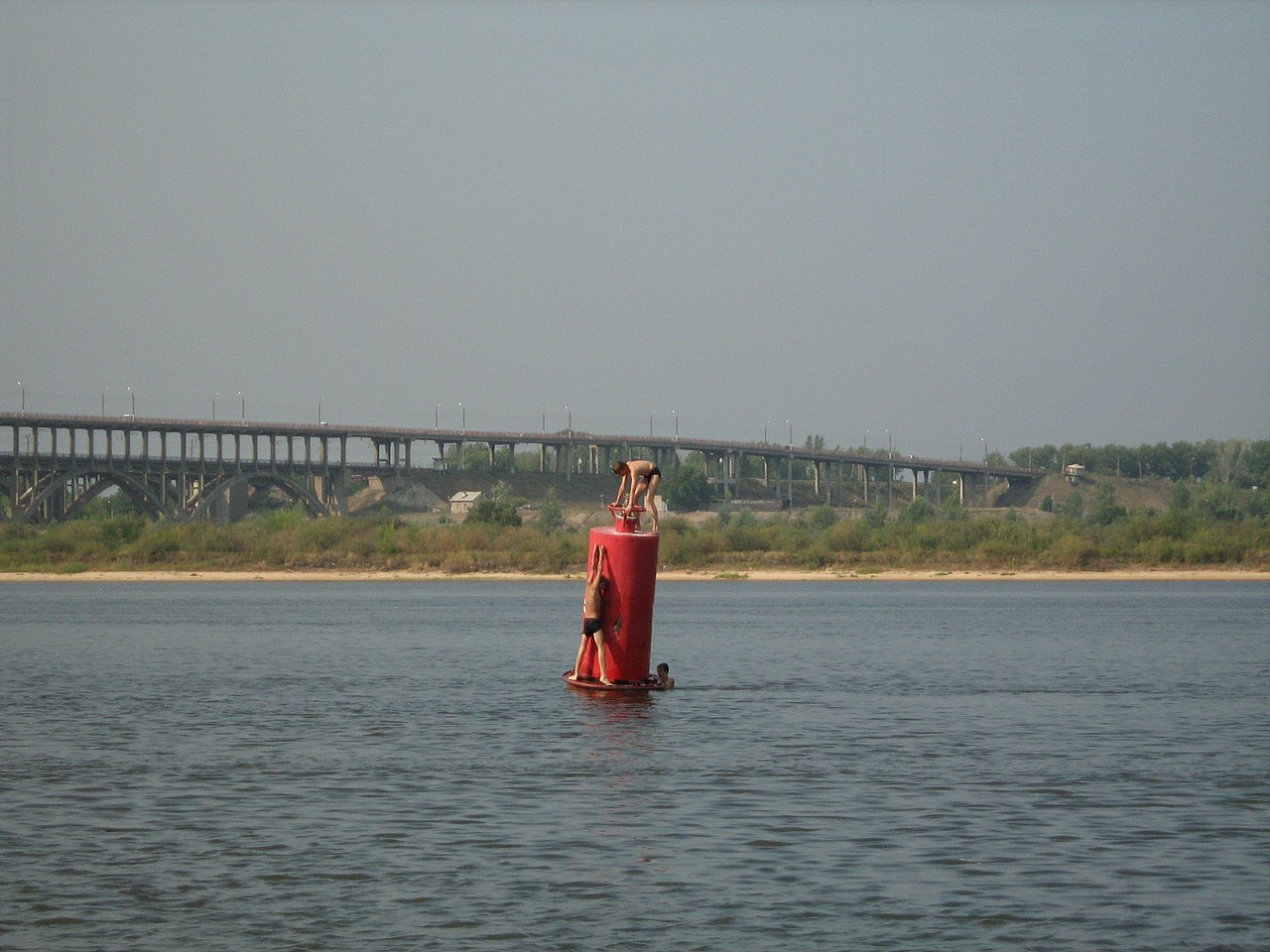
- Navigation: mark channels, fairways and traffic separation schemes to guide vessels.
- Warning: signal submerged hazards, shoals or wrecks to improve safety.
- Scientific monitoring: host instruments for weather, tide, current and water-quality data.
- Mooring and operational platforms: provide fixed points for vessels, divers or offshore work.
Different colours, shapes and top marks carry standard meanings in navigation systems. Modern buoys often include lights, bells, horns or electronic beacons to aid detection.
History and notable facts
Floating markers have been used since ancient times, evolving from simple wooden markers to formalized systems governed by international navigation rules. Advances in materials and electronics transformed buoys into active data platforms supporting marine science, search and rescue, and commercial traffic management.
Practical considerations
Installation and maintenance require knowledge of local tides, seabed conditions and maritime regulation. Most permanently sited buoys are anchored to the seabed using chains and weights; some are allowed to drift for research or training. For more on maritime equipment see marine equipment and for anchoring methods see anchoring systems.
Questions and answers
Q: What is a buoy?
A: A buoy is a floating device that is usually anchored in a certain place.
Q: What are the uses of a buoy?
A: A buoy can have many uses.
Q: How is the word buoy commonly pronounced?
A: The word buoy is most commonly pronounced as [bɔɪ], as in buoyant.
Q: What is the American English pronunciation of buoy?
A: In American English, buoy is often pronounced as [ˈbu.i].
Q: Is buoy an anchored device or a free-floating device?
A: Buoy is usually an anchored device.
Q: Are there any restrictions in the usage of buoy?
A: There are no restrictions in the usage of buoy.
Q: Can a buoy be used for navigation purposes?
A: Yes, a buoy can be used for navigation purposes.
Related articles
Author
AlegsaOnline.com Buoy (floating maritime marker and device) Leandro Alegsa
URL: https://en.alegsaonline.com/art/15359
Sources
- iala-aism.org : web.archive.org/web/20061008142707/http://www.iala-aism.org/web/pages/publications/docpdf…
- archive.rubicon-foundation.org : "Diver location devices"
- iala-aism.org : "International Dictionary of Marine Aids to Navigation – ODAS buoy"