
Bumblebee bat (Craseonycteris thonglongyai)
A concise overview of the bumblebee bat — the world’s smallest bat species — covering appearance, habitat, behavior, and conservation status.
Overview
The bumblebee bat, Craseonycteris thonglongyai, commonly known as Kitti's hog-nosed bat, is one of the smallest mammals in the world and the only species in the family Craseonycteridae. It is listed as an endangered species on the IUCN Red List and is of particular interest to mammalogists and conservationists because of its tiny size and highly specialised lifestyle. Taxonomically it belongs to the larger group of bats but stands apart as a unique lineage.
Image gallery
3 Images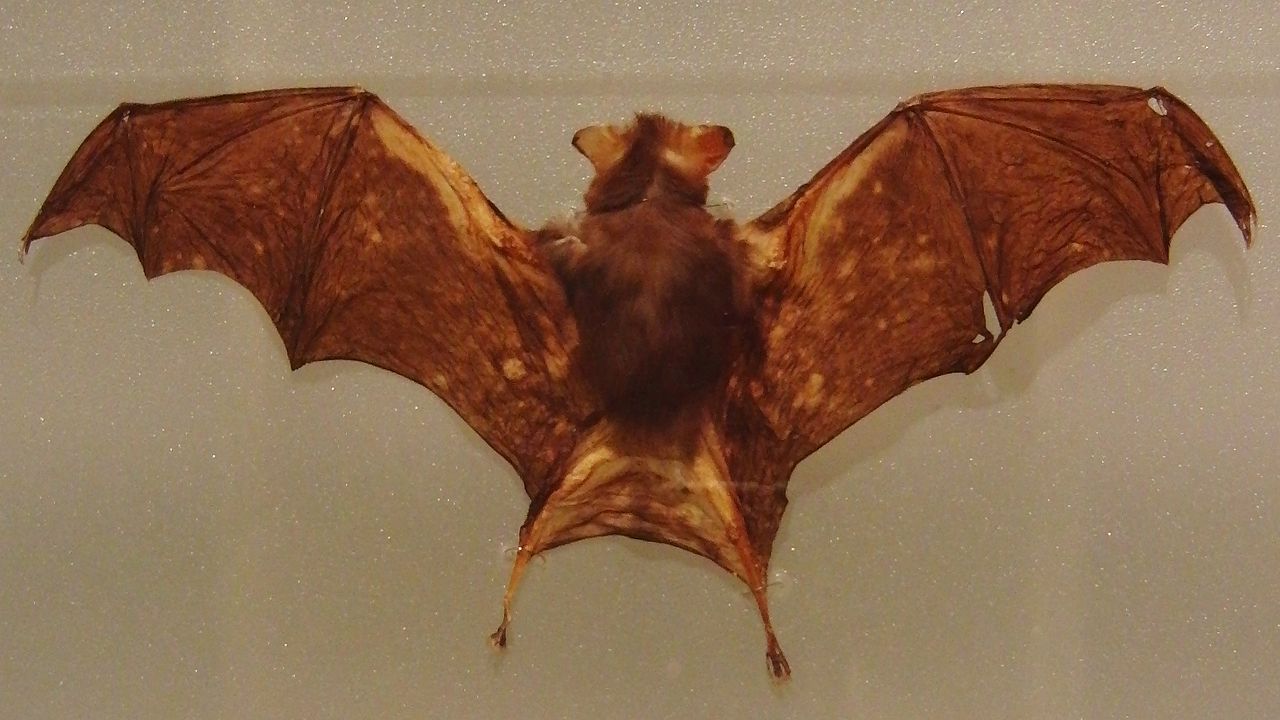
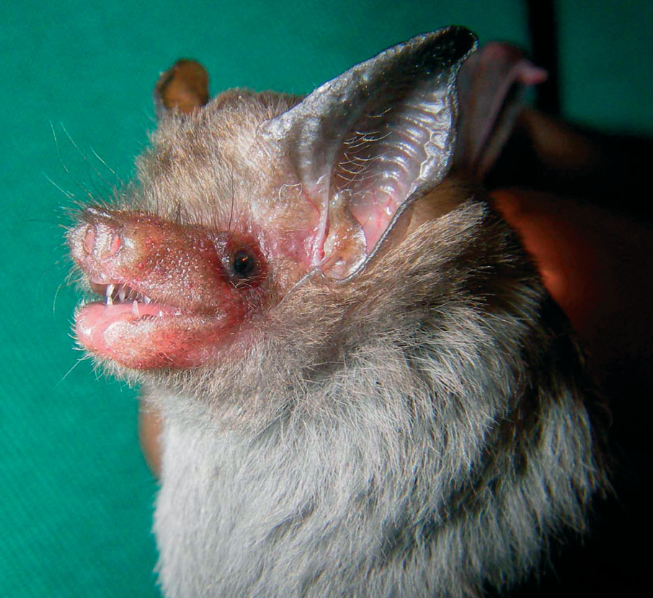

Characteristics
The bumblebee bat has a compact, rounded body with a coat that ranges from grey to reddish-brown. Its most distinctive facial feature is a short, flattened muzzle that is often described as pig-like; this trait is sometimes highlighted in descriptions of its pig-like snout. Adults are extremely lightweight — only a few grams — and have narrow wings adapted for short, manoeuvrable flights. Typical traits include a small head, large ears relative to head size, and delicate limbs suited to clinging on cave walls.
- Size and weight: exceptionally small, roughly comparable in mass to a large insect such as a bumblebee.
- Fur: reddish-brown to grey, dense and soft.
- Skull and nose: shortened snout and distinctive facial profile.
Habitat and range
Natural populations are known from a limited area in Southeast Asia, primarily western Thailand and adjacent parts of southeastern Myanmar. The species typically roosts in limestone karst formations and uses the shelter of limestone outcrops and caves located near rivers and seasonally flooded areas. Colonies usually occupy small crevices or cave entrances and are sensitive to microclimate and disturbance.
Behavior, diet and reproduction
The bumblebee bat is crepuscular and primarily active during brief periods at dusk and dawn when it forages for airborne insects in nearby forested or riparian zones. Foraging flights are short and local. Social structure typically involves small to moderately sized colonies; counts vary between roosts and seasons but many caves support dozens to a few hundred individuals. Reproductive biology is conservative: females usually produce a single pup each year, investing substantial care in the one offspring.
Conservation and threats
Because the species occupies a narrow range and depends on a small number of suitable roosting sites, it is vulnerable to habitat loss and human disturbance. Major threats include quarrying of limestone, cave disturbance from tourism or development, and loss of surrounding forest that supplies insects and foraging habitat. Conservation measures focus on protecting karst landscapes, regulating human access to known roosts, and conducting population monitoring and research to inform management decisions. International and local conservation efforts recognise the species' specialised needs and the importance of maintaining intact cave systems.
Significance and distinctions
The bumblebee bat is notable both as a symbol of karst biodiversity and as an example of extreme miniaturisation among mammals. Its status as the sole member of a family makes it evolutionarily distinctive, meaning its loss would represent a disproportionate reduction in mammalian diversity. For readers and researchers seeking additional background or conservation resources, consult specialised pages and regional studies via the links provided.
Further reading and resources: IUCN Red List, regional bat surveys and conservation summaries (bat families, Thailand records, karst habitat, cave ecology, morphological notes, diet studies).
Questions and answers
Q: What is the bumblebee bat?
A: The bumblebee bat is an endangered species of bat, which is the only member of the family Craseonycteridae. It is the smallest species of bat and one of the world's smallest mammals.
Q: Where does the bumblebee bat occur?
A: The bumblebee bat occurs in western Thailand and southeast Burma.
Q: Where does the bumblebee bat usually live?
A: The bumblebee bat usually lives in limestone caves along rivers.
Q: What does the bumblebee bat look like?
A: The bumblebee bat has a reddish-brown or grey coat, with a distinctive pig-like snout.
Q: What does the bumblebee bat feed on?
A: The bumblebee bat feeds on insects and forages around nearby forest areas during short activity periods in the evening and dawn.
Q: How many individuals are there in a typical colony of bumblebee bats?
A: Colonies of bumblebee bats vary in size, with an average of 100 individuals per cave.
Q: How many offspring do female bumblebee bats have each year?
A: Female bumblebee bats have only one offspring per year.
Related articles
Author
AlegsaOnline.com Bumblebee bat (Craseonycteris thonglongyai) Leandro Alegsa
URL: https://en.alegsaonline.com/art/15287
Sources
- iucnredlist.org : Craseonycteris thonglongyai
- edgeofexistence.org : "Bumblebee bat (Craseonycteris thonglongyai)"
- abdn.ac.uk : "Mammal record breakers: The smallest!"
- animaldiversity.ummz.umich.edu : Craseonycteris thonglongyai
- animaldiversity.ummz.umich.edu : Bat Wings and Tails
- doi.org : 10.1017/S0030605306001268
- iucn.org : Microchiropteran Bats: global status survey and conservation action plan
- news.bbc.co.uk : "Protection for 'weirdest' species"
- species.wikimedia.org : Craseonycteris thonglongyai