
Bullfighting: tradition, practice, and controversy
An overview of bullfighting traditions, stages of the corrida, regional forms, historical notes, animal welfare debates, and variations across Iberia and Latin America.
Bullfighting is a ritualized public spectacle in which a trained team of bullfighters confronts a bull in a ring. The event remains most visible today in parts of Spain, Portugal and in several countries of South America (regional note). Events take place in a dedicated arena called a bullring, and the performance follows a sequence of codified acts that combine music, costume, horsemanship and the use of cape and sword.
Image gallery
10 Images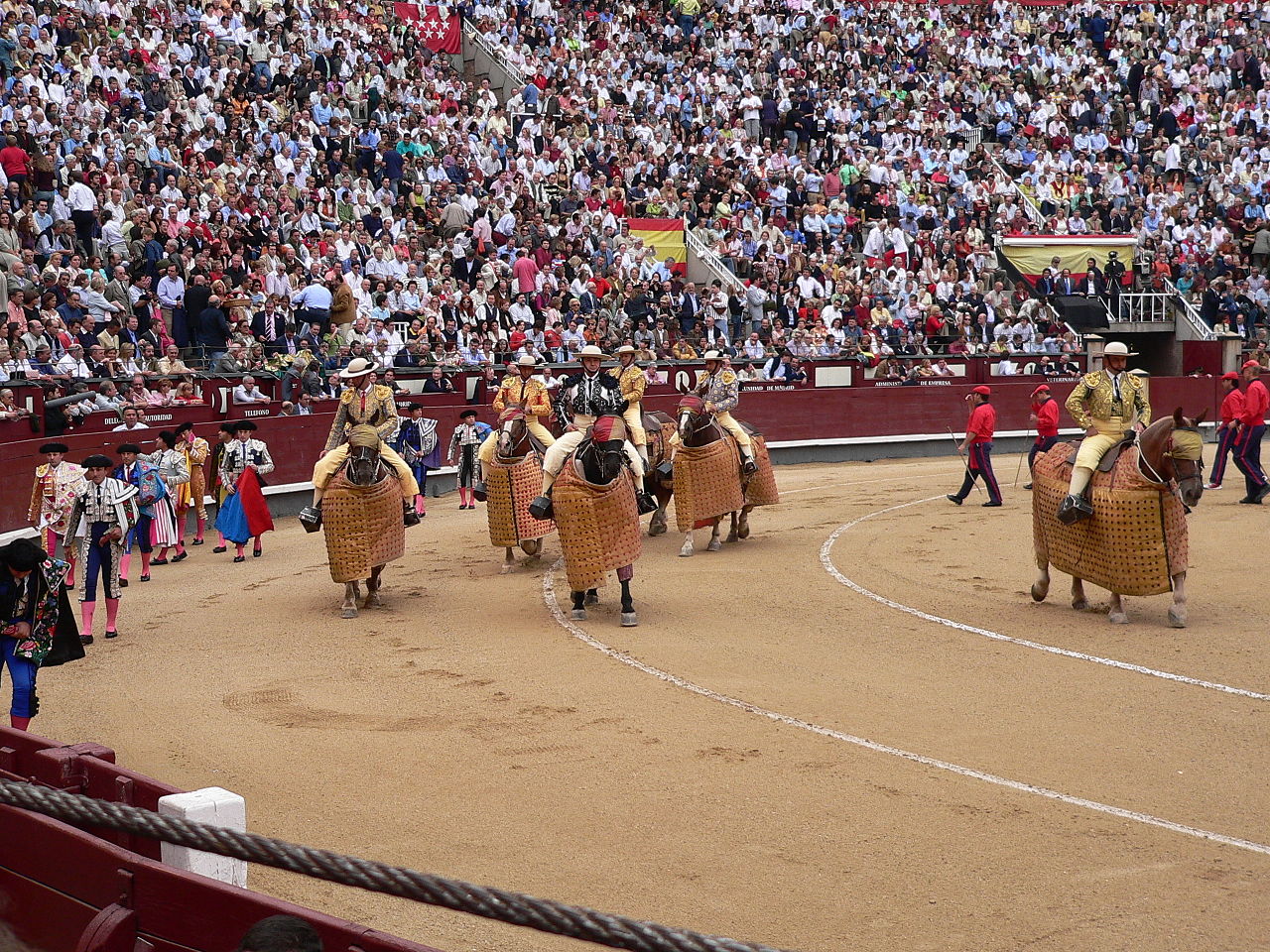


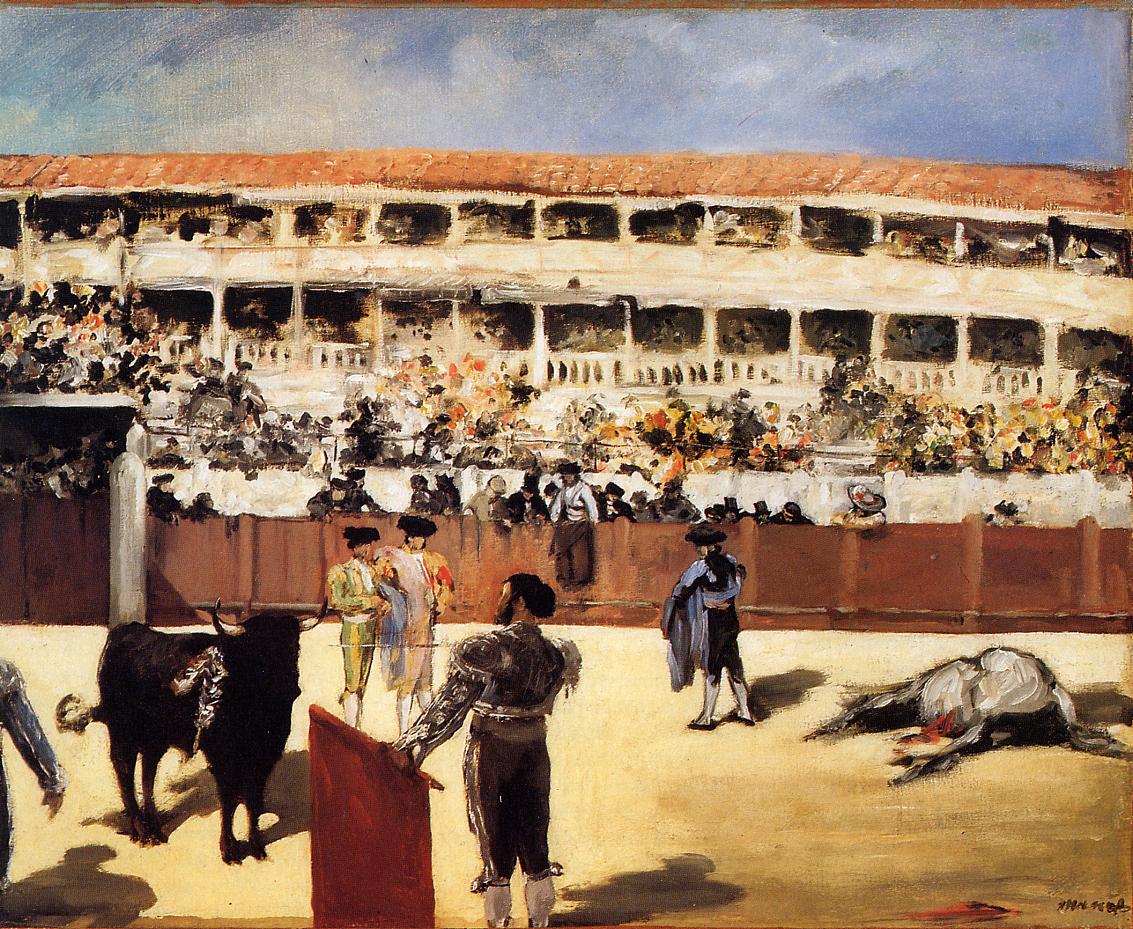


Basic elements and participants
A Spanish‑style corrida traditionally involves a team of seven: a lead matador and six assistants. The matador, the principal figure, wears the ornate traje de luces or "suit of lights," a costume inspired by 18th‑century Andalusian dress and often richly embroidered. Assistants include banderilleros and picadors (mounted lancers) who perform defined duties at different moments of the spectacle and contribute to the theatrical structure often described as a drama.
Stages of a fight
Modern corridas are usually divided into three principal stages (tercios), with the opening of each signaled by fanfare. The procession of participants into the ring, the paseíllo, is accompanied by a march sometimes likened to the paso doble. The first stage tests the bull's behaviour and vigor; during the second the mounted picadors use lances to assess and influence the animal's charging style; the final tercio is the one‑on‑one between matador and bull.
In the last stage the matador uses a small cape, the muleta, usually red in the Spanish tradition, to perform a sequence of controlled passes that constitute the faena. The performance culminates with the estocada, a sword thrust intended to deliver a killing blow. If the thrust is misplaced the matador risks being gored, and serious injury or death has occurred in the ring in well‑documented cases; the death of the celebrated matador Manolete prompted national mourning in his country at the time (historical example).
Venues and ritual
Bullrings vary from small community plazas to large arenas. One of the largest, the Plaza México in Mexico City, is frequently cited for its capacity, and some of the oldest European rings include Seville's historic La Maestranza, first used in the 18th century. The spectacle relies on formal signals such as trumpets and fanfare (trumpet calls, fanfares), codified entrances and strict procedural roles that observers often describe as ritual.
Regional forms and alternatives
Regional traditions differ. In Iberia, the Spanish corrida may end with the animal's death in the ring, while in Portugal public killing by the matador is generally forbidden and the bull may be dispatched out of public view. In Latin America, local styles have adapted Iberian forms to create distinct practices in countries where bullfighting became established. There are also nonlethal variants and modern presentations that emphasize spectacle without killing.
Breeding, training and seasonal life
Bulls used in these spectacles are typically bred and selected for particular behavioural traits; breeding and husbandry are specialised practices connected to rural traditions. Young bullfighters undergo long apprenticeships learning footwork, cape technique and safety protocols. Bullfighting seasons and fairs are linked to local festivities in many regions, and the activity is connected to broader cultural expressions including music and dance.
Scoring, trophies and public honours
Success in the ring is recognised by trophies such as the awarding of ears or the tail of the bull to the matador by the presiding officials, symbols of exceptional performance. The public and officials may award such honours in recognition of particular artistry or bravery.
Safety, medical provision and regulation
Bullrings commonly maintain on‑site medical facilities, including infirmaries and operating rooms, to treat horn wounds and other injuries sustained by participants; this infrastructure is an established part of venue design and emergency planning (medical provision). Weapons and tools used in the spectacle are regulated and named according to their role in each tercio (equipment).
Controversy and contemporary debate
Bullfighting is deeply controversial. Animal welfare organisations and many citizens criticise the practice because of the suffering inflicted on animals; as a result, some municipalities and regions have enacted bans or restrictions, while defenders argue for cultural heritage and artistic value. Debates over legal status, cultural preservation and animal protection continue to shape policy in countries where the tradition persists.
Further reading and resources
- Plaza México — notes on a major venue and its role in Latin American bullfighting.
- La Maestranza — a historic European ring with long continuity.
- Costume — the traje de luces and its origins.
- Cape colours — traditions and misconceptions about bull vision.
- Death in the ring — historical and regional practices regarding the animal.
- Paseíllo and ceremonial entry — the opening parade.
- Faena and passes — technical vocabulary for the final stage.
- Muleta and its use in the final tercio.
For balanced study consult historical sources, cultural analyses and animal welfare research. Regional legal codes and festival regulations are relevant for understanding present‑day practice in specific countries and communities. Related topics and regional entries: Spain, Portugal, South America, and discussions of ritual, signals and music that frame the spectacle.
Questions and answers
Q: What is the oldest bullring?
A: The oldest bullring is the La Maestranza in Seville, Spain, which was first used for bullfighting in 1765.
Q: How many people can the largest bullring seat?
A: The largest bullring is the Plaza México in central Mexico City, which seats 48,000 people.
Q: Who sorted out the rules and traditions of modern bullfighting?
A: The rules and traditions of modern bullfighting were sorted out by Paquiro (Francisco Montes Reina).
Q: How many members are on a team of bullfighters?
A: A team of bullfighters is seven men. The leader is the matador, and he has six assistants who play roles in the drama.
Q: What type of clothing do matadores wear?
A: Matadores wear costumes inspired by 18th century Andalusian clothing that are known as traje de luces ('suit of lights').
Q: What happens during the tercio de muerte ('the third of death') stage?
A: During the tercio de muerte ('the third of death') stage, the matador re-enters the ring alone with a small red cape and a sword called a muleta. He uses his cape to attract the bull in a series of passes known as faena. At then end he tries to move it into position before thrusting his sword between its shoulder blades and through its heart - this act is called an estocada.
Q: Are there any versions where animals are unharmed during a fight?
A: Yes, there are versions where animals are unharmed during a fight such as those organised by animal welfare organisations.
Related articles
Author
AlegsaOnline.com Bullfighting: tradition, practice, and controversy Leandro Alegsa
URL: https://en.alegsaonline.com/art/15258
Sources
- worldstadiums.com : "www.worldstadiums.com"
- realmaestranza.com : Plaza de Toros - Institución