
Ahmedabad: Gujarat's largest city, history, culture and economy
Ahmedabad, on the Sabarmati River in western India, is Gujarat's largest city. A commercial, educational and cultural centre noted for textiles, historic architecture and modern industry.
Overview
Ahmedabad is the principal city of the Indian state of Gujarat and one of the major urban centres in Western India. Located on the banks of the Sabarmati River, it serves as the administrative headquarters of Ahmedabad district and lies close to the planned capital, Gandhinagar. The district had a population of over seven million in the 2010s, and the city is an important hub for commerce, education and transport in the region.
Image gallery
10 Images




History and development
Founded several centuries ago, Ahmedabad grew as a trading and textile centre under a succession of regional rulers. Its walled old city preserves medieval streets, mosques and civic buildings, while nineteenth- and twentieth-century expansion brought mill districts and new neighbourhoods. From 1960 to 1970 Ahmedabad served as the state capital until the creation of Gandhinagar. In 2017 the city was recognized by UNESCO for its rich architectural heritage.
Urban character and landmarks
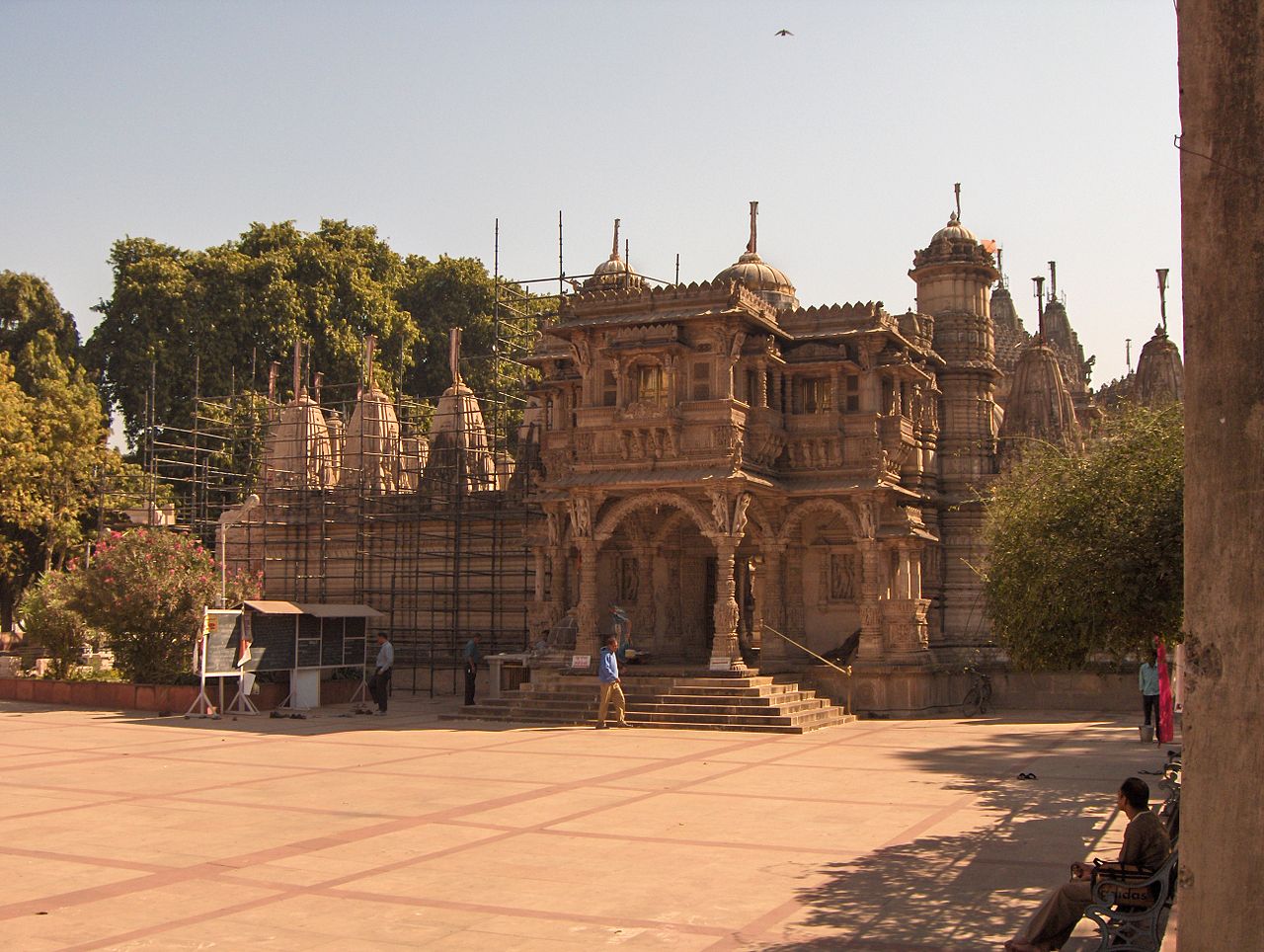
Ahmedabad displays a mix of historic and modern architecture. Notable features include traditional pols (compact residential quarters), historic mosques and stepwells, colonial-era public buildings, and contemporary civic projects. Landmarks often cited by visitors and scholars include:
- Sabarmati Ashram, associated with Mahatma Gandhi
- Historic mosques and havelis in the old walled city
- Iconic modern institutions and campuses
Economy, education and culture
The city's economy historically revolved around textiles and related industries, which earned it nicknames referencing its centrality to cloth production. Over time Ahmedabad diversified into manufacturing, finance, information technology and services. It is also home to prominent educational institutions that attract students from across the country, contributing to research and professional training. Cultural life combines Gujarati traditions, festivals, cuisine and contemporary arts.
Transport, administration and significance
Ahmedabad is a regional transport hub with major road and rail connections and an international airport serving the state. Municipal and district authorities manage urban services and planning; the proximity of Gandhinagar has shaped administrative arrangements in recent decades. As a large, rapidly evolving city, Ahmedabad plays a central role in Gujarat's economy, history and cultural identity.
Questions and answers
Q: What is Ahmedabad?
A: Ahmedabad is the largest city in the Gujarat state, in Western India.
Q: What is the administrative center of Ahmedabad district?
A: Ahmedabad is the administrative centre of Ahmedabad district.
Q: Was Ahmedabad the capital of Gujarat?
A: Yes, Ahmedabad was the capital of Gujarat from 1960 to 1970.
Q: Where is Ahmedabad located?
A: Ahmedabad is located on the banks of the Sabarmati River.
Q: What is the proximity of Ahmedabad to Gandhinagar?
A: Ahmedabad shares proximity with Gandhinagar, the newly built state capital.
Q: What is the area of Ahmedabad city?
A: The area of Ahmedabad city is approximately 8,087 sq.k.m.
Q: What was the total population of Ahmedabad district in 2014?
A: The total population of Ahmedabad district in 2014 was 7,486,573.
Related articles
Author
AlegsaOnline.com Ahmedabad: Gujarat's largest city, history, culture and economy Leandro Alegsa
URL: https://en.alegsaonline.com/art/1506
Sources
- incredibleindia.org : "Incredible India | Gujarat"
- researchgate.net : "AN ASSESSMENT OF SEASONAL VARIATION AND WATER QUALITY INDEX OF SABARMATI RIVER AND KHARICUT CANAL AT AHMEDABAD, GUJARAT"
- worldcat.org : 2248-2261
- worldcat.org : 1579-4377
- ahmedabad.gujarat.gov.in : "About Ahmedabad | About Us | Collectorate - District Ahmedabad"
- books.google.co.in : Neo-Liberal Strategies of Governing India
- books.google.co.in : Grove Encyclopedia of Islamic Art & Architecture: Three-Volume Set
- books.google.co.in : India through the ages: history, art, culture, and religion
- nationalgeographic.com : "See Stunning Architecture in India's First World Heritage City"
- shodhganga.inflibnet.ac.in : "Chapter 1, Introduction to Road Transport and Ahmedabad Municipal Transport Service"
- onlinelibrary.wiley.com : Forty Ways To Think About Architecture
- doi.org : 10.1002/9781118822531.ch38
- jstor.org : "Traditional Culture and Entrepreneurship: A Case Study of Ahmedabad"
- worldcat.org : 0012-9976