
Bryozoa (moss animals): colony life, structure, and fossil history
Bryozoa, or moss animals, are small aquatic colonial invertebrates with lophophores. This article covers their biology, colony structure, reproduction, fossil record, ecology and distinctions from similar groups.
Bryozoa are a phylum of small, mostly sessile aquatic animals often called moss animals. Most live in colonies made up of many microscopic individuals and build external skeletal structures. The group is sometimes referred to under older names such as Polyzoa or Ectoprocta, and their form and ecology make them superficially similar to coral-forming polyps. Modern bryozoans occur in freshwater and marine environments around the world, from shallow tropical reefs to cold deep seas, and have a long fossil record beginning in the Ordovician.
Image gallery
10 Images

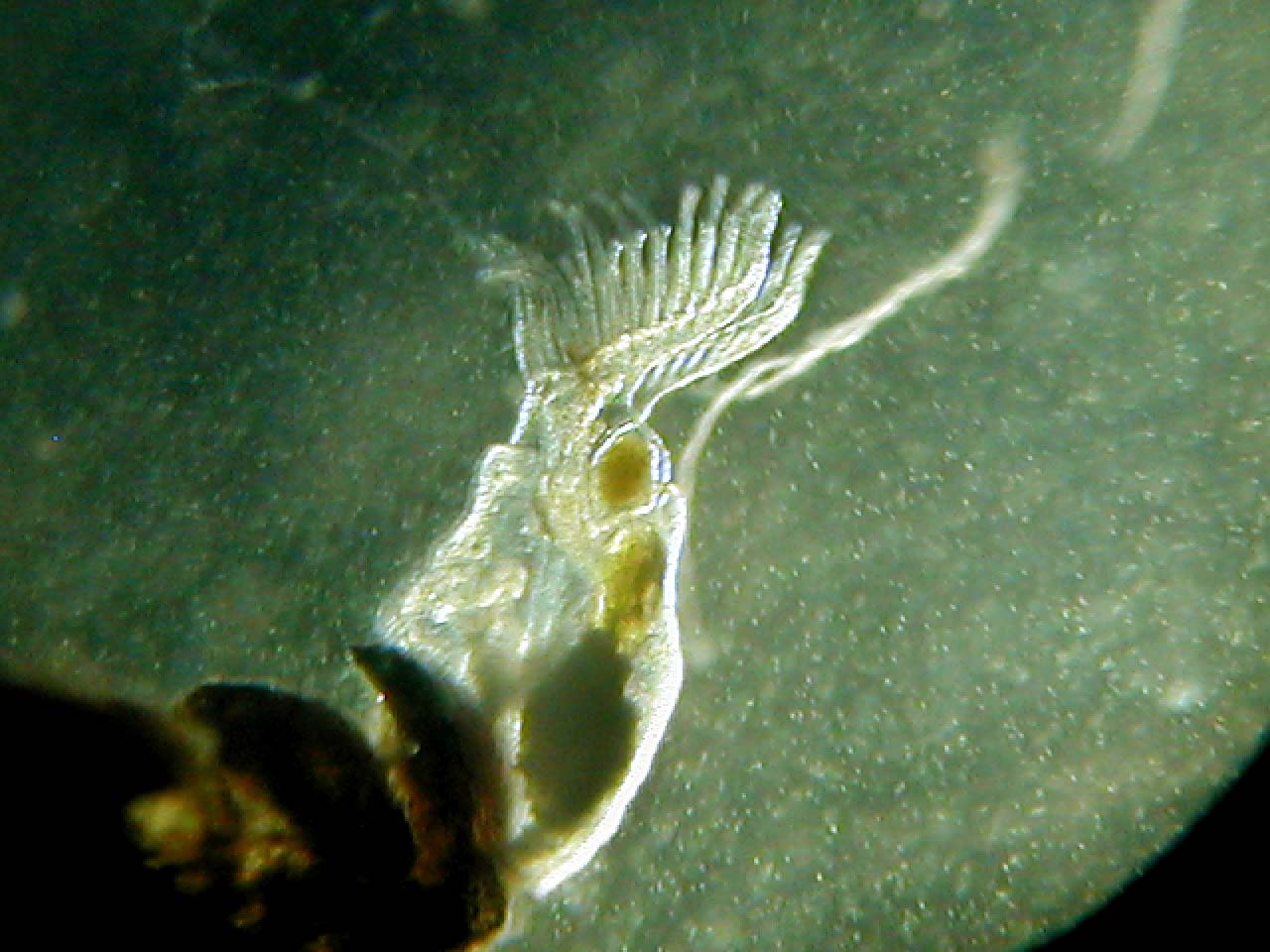
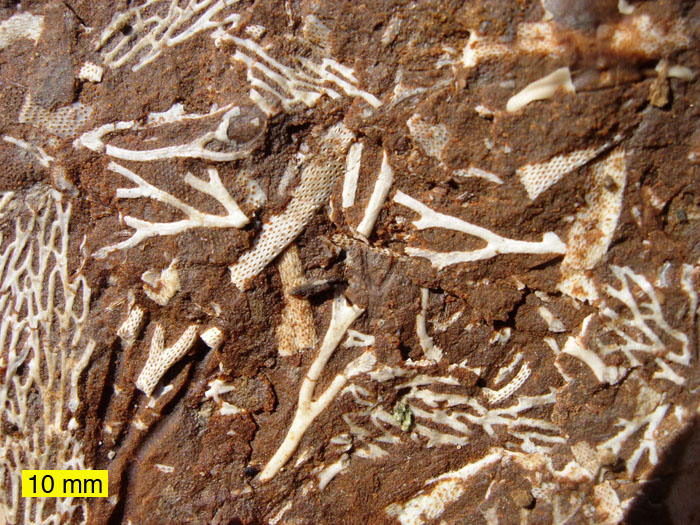


Colony structure and body plan
Each colonial unit is composed of numerous tiny zooids, typically a fraction of a millimetre in size. A single zooid is a complete animal that may zooids feed, grow and reproduce, and most live joined together by shared tissues or a common skeleton. Zooids often secrete protective tubes or chambers; many build skeletons of lime (calcium carbonate) while some produce organic coverings of chitin or other organic materials. The members of a colony are genetically identical clones produced by asexual budding, but colonies frequently contain differentiated zooid types specialized for feeding, defense or attachment.
Feeding — the lophophore
All bryozoans possess a distinctive feeding organ called a lophophore: a crown of tentacles that surrounds the mouth. Each tentacle is lined with beating cilia that generate currents and trap suspended particles. Typical bryozoan lophophores have a ring of tentacles—sometimes described as ten or more in number—and the tentacles themselves are often called tentacles in anatomical descriptions. In habit and function the lophophore resembles the feeding structures seen in other lophophorate animals such as the brachiopods, and bryozoans are sometimes compared to the polyps that form coral colonies, though they differ in many anatomical details.
Reproduction, life cycle and diversity
Bryozoans reproduce both asexually and sexually. Asexual budding builds the colony framework while sexual reproduction produces larvae that disperse and found new colonies. Many species produce different functional forms within a colony—worker-like feeding zooids, defensive avicularia and enlarged protective zooids—so that a single colony contains several morphs. There are roughly a few thousand living species described, and more than a few times that number known from fossils; estimates commonly cite about 5,000 living species, though taxonomic revisions are ongoing.
Fossil history and scientific importance
Bryozoans have an extensive fossil record beginning in the early Paleozoic, with reliable occurrences dating back to the Ordovician. Fossil bryozoans are abundant in many marine strata and contribute to the study of past environments and biostratigraphy; their skeletal remains are often preserved and provide information on past biodiversity. Paleontologists and stratigraphers make frequent use of bryozoan fossils in reconstructing marine communities and in recognising changes through geological time. See further references on their fossil distribution and evolutionary trends.
Ecology, roles and notable distinctions
- Ecological roles: Bryozoan colonies filter suspended particles, influence sediment dynamics, and provide habitat for other small organisms.
- Habitats: They occupy a wide range of substrates from rock, shells and algae to man-made structures in both marine and freshwater systems (aquatic environments).
- Practical significance: Their encrusting growth can foul ship hulls and aquaculture equipment; conversely, bryozoans are used as indicators of water quality and past environmental conditions.
- Taxonomic notes: The group is commonly recognized as a distinct phylum, and its colonies are true integrated animal units rather than simple aggregates; they differ from superficially similar groups and were historically subject to various names and classifications.
Bryozoans remain a subject of active research in systematics, developmental biology and paleoecology. For general overviews and taxonomic treatments consult introductory sources and specialist literature; for quick access to names and descriptions see curated databases and reviews that summarise current understanding and species lists. Additional reading may be found in standard texts and online resources covering marine invertebrates and fossil record summaries (colonies, skeleton, calcium carbonate, fossil, Ordovician, polyps, coral, species, zooids, secrete, lime, chitin, organic, clones, asexual, morphs, tentacles, cilia).
Questions and answers
Q: What is the scientific name for Bryozoans?
A: The scientific name for Bryozoans is Polyzoa, Ectoprocta or moss animals.
Q: When did Bryozoans first appear in the fossil record?
A: Bryozoans first appeared in the fossil record during the Ordovician period.
Q: Where do Bryozoans live?
A: Bryozoans can be found living all over the world, but they generally prefer warm, tropical waters.
Q: How many species of bryozoa are known to exist?
A: There are approximately 5,000 living species and 15,000 fossil species of bryozoa known to exist.
Q: What makes up a bryozoan colony?
A: A bryozoan colony is made up of tiny (~0.2mm) members called zooids that secrete tubes usually composed of calcium carbonate (CaCO3) or chitin (an organic compound).
Q: How do zooids reproduce within a colony?
A: Zooids within a colony reproduce asexually by cloning themselves.
Q: What body part do all bryozoans have?
A: All bryozoans have a lophophore which consists of ten tentacles surrounding its mouth and covered with cilia.
Related articles
Author
AlegsaOnline.com Bryozoa (moss animals): colony life, structure, and fossil history Leandro Alegsa
URL: https://en.alegsaonline.com/art/14960