
Xoloitzcuintle (Xolo) — the Mexican hairless dog
An ancient Mexican breed, the Xoloitzcuintle (Xolo) is known for its hairless variety, cultural role in Mesoamerica, three size classes, distinctive skin and temperament, and special care needs.
Overview
The Xoloitzcuintle, commonly shortened to Xolo, is a dog breed native to Mexico best known for its hairless appearance, though a coated variety also exists. Found in three recognized sizes — toy, miniature and standard — the Xolo combines a lean, athletic build with smooth skin and a calm, alert temperament. The breed is often valued as a companion animal and for its historical associations in Mexican culture.
Image gallery
7 Images



Appearance and varieties
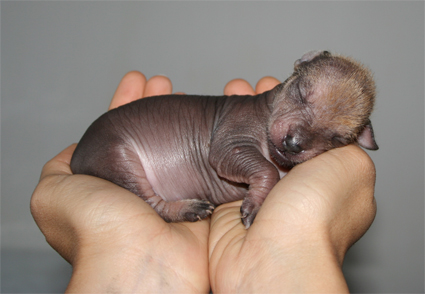
Xolos typically present the hairless type with smooth, often warm skin and occasional wrinkles, and a coated type that carries a short, fine coat. Skin color ranges across dark and lighter tones, sometimes with mottling. There are three size classes which affect proportions but not the essential head and limb structure:
- Toy — the smallest, suited to lap companionship.
- Miniature — a compact, versatile household pet.
- Standard — larger and more substantial in build.
Temperament and uses
Xolos are generally intelligent, attentive and loyal. They tend to bond closely with families and can be reserved with strangers without being aggressive. Historically they were kept as companions, and in modern times they are kept for companionship, show, and cultural preservation. Their alert nature also makes them good watchdogs.
History and cultural significance
The breed has deep roots in Mesoamerica and appears in archaeological remains and pre-Columbian art. Its name derives from the Nahuatl language and the deity Xolotl; the singular form is xōlōitzcuintli and the plural is noted in traditional sources as xōlōitzcuintin. The Xolo held ritual and symbolic roles in several indigenous cultures of the region and remains an emblematic Mexican breed today. For linguistic background see Nahuatl and for breed recognition see breed registries. The plural form is sometimes discussed at language references.
Health, care and notable facts
Because many Xolos are hairless, skin care is important: protection from sun, routine baths, moisturization and attention to cuts or abrasions are common maintenance tasks. Dental irregularities can occur in hairless dogs and regular dental care is advised. Xolos are generally healthy with proper care and often live into middle or older age for medium-sized breeds. They are prized for their quiet companionship, historical importance, and distinctive appearance.
Quick care tips
- Use dog-safe sunscreen and limit prolonged sun exposure for hairless dogs.
- Keep skin clean and moisturized to prevent dryness or irritation.
- Provide regular dental checkups and good oral hygiene.
- Socialize early to encourage calm, confident behavior around people and animals.
Questions and answers
Q: Where is the Xoloitzcuintle from?
A: The Xoloitzcuintle is from Mexico.
Q: What is another name for the Xoloitzcuintle?
A: Another name for the Xoloitzcuintle is the Mexican hairless dog.
Q: Does the Xoloitzcuintle always have no hair?
A: No, some Xoloitzcuintle are born with hair (coated).
Q: What sizes is the Xoloitzcuintle found in?
A: The Xoloitzcuintle is found in three sizes: toy, miniature, and standard.
Q: What does the name Xoloitzcuintle mean?
A: The name Xoloitzcuintle comes from the Nahuatl language and it means "dog of Xolotl".
Q: What is the meaning of itzcuīntli in Nahuatl?
A: Itzcuīntli means dog in Nahuatl.
Q: What distinguishes the appearance of the Xoloitzcuintle?
A: The Xoloitzcuintle has wrinkled skin, which distinguishes its appearance.
Author
AlegsaOnline.com Xoloitzcuintle (Xolo) — the Mexican hairless dog Leandro Alegsa
URL: https://en.alegsaonline.com/art/148102
Sources
- whp.uoregon.edu : whp.uoregon.edu