
Winona LaDuke: Indigenous Environmentalist, Economist, and Activist
Winona LaDuke is an Anishinaabe activist, economist and writer known for work on Native American rights, land recovery, food sovereignty and sustainable development.
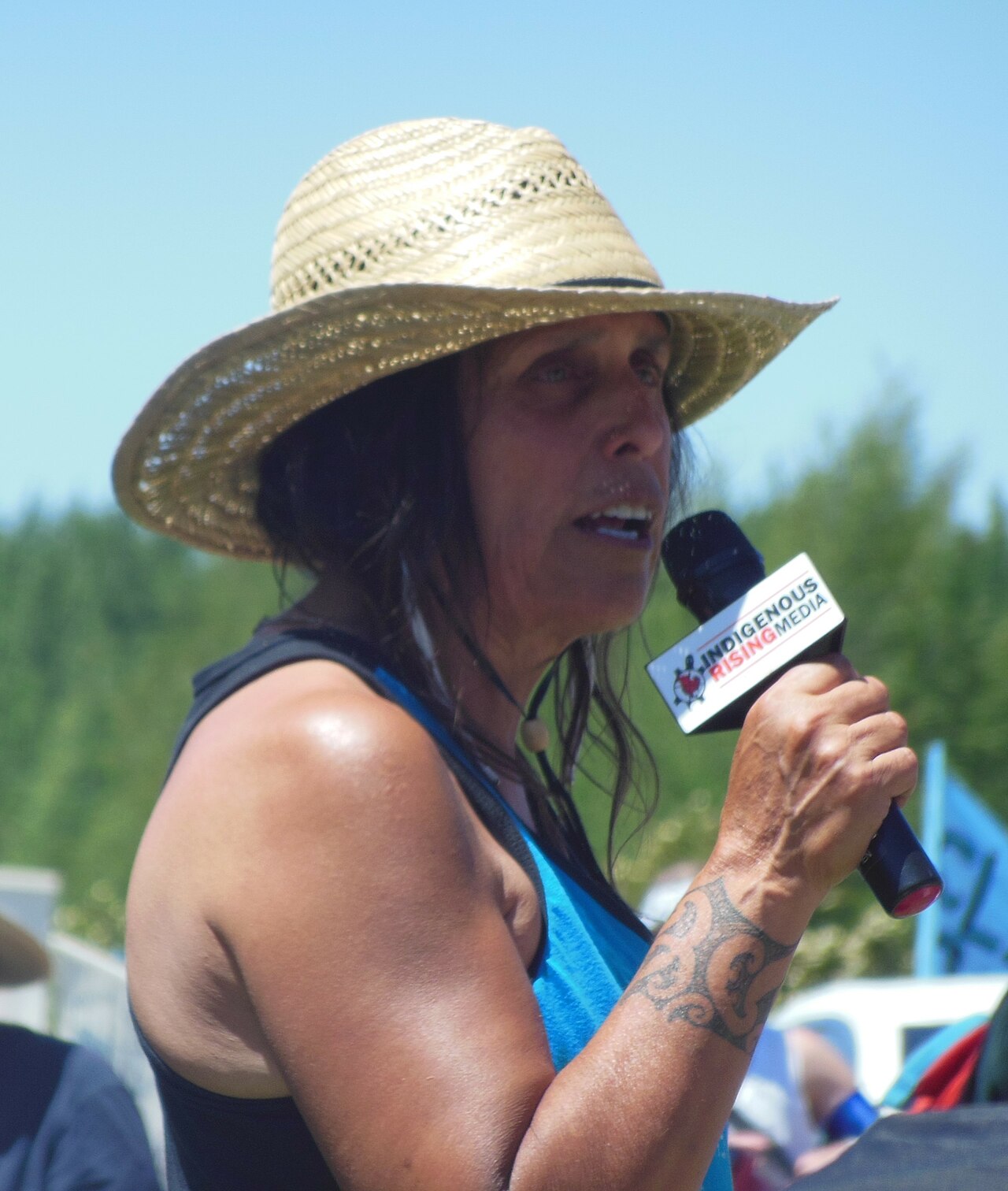
Winona LaDuke (born August 18, 1959) is an Anishinaabe (White Earth) environmentalist, economist, writer and community leader whose work centers on indigenous rights and ecological stewardship. She divides her time between public advocacy and life on the White Earth Reservation, and studied at Harvard and MIT. LaDuke has become a prominent voice for Native sovereignty, rural economic development and preservation of traditional knowledge.
Image gallery
5 Images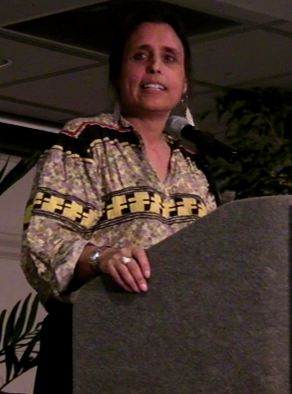


Work and projects
LaDuke founded the White Earth Land Recovery Project to rebuild tribal land bases, revitalize local food systems and sustain cultural practices tied to the land. Her approach blends community organizing with practical programs that emphasize ecological farming, seed restoration and renewable energy. Over decades she has campaigned against industrial contamination and extractive projects that threaten reservation lands and resources.
Focus areas and methods
- Land recovery: returning and protecting land for tribal use, cultural sites and ecological restoration.
- Food sovereignty: promoting local food, seed saving and traditional crops as economic and cultural resources.
- Renewable energy and sustainable enterprise: supporting small-scale, community-led alternatives to extractive industries.
- Advocacy: legal, political and grassroots campaigns to defend indigenous rights and environmental health.
Her activism explicitly champions Native American rights and environmental justice, combining policy analysis with on-the-ground programs intended to restore both land and livelihoods.
Public life, writing and recognition
LaDuke is the author of books and many articles on indigenous struggles and sustainable development, and she has spoken widely on the intersection of culture, economy and ecology. She was named in TIME magazine’s 1994 "50 for the Future," a recognition tied to her efforts to protect tribal lands from hazardous pollution. LaDuke also took an active role in national politics as a Green Party vice-presidential candidate during the 1990s, bringing indigenous perspectives into broader electoral debates.
Notable for blending scholarship, activism and community leadership, LaDuke has influenced movements for environmental justice and indigenous sovereignty in North America. Her work illustrates how local economic initiatives, rooted in traditional knowledge and sustainable practice, can provide practical alternatives to resource extraction while strengthening cultural resilience. Contemporary activists and policymakers continue to cite her projects as models for community-driven environmental and economic renewal.
Questions and answers
Q: Who is Winona LaDuke?
A: Winona LaDuke is an environmentalist, economist and writer who supports Native American rights.
Q: What is the White Earth Land Recovery Project?
A: The White Earth Land Recovery Project is a project started by Winona LaDuke to protect nature from damage.
Q: Where does Winona LaDuke live?
A: Winona LaDuke currently lives on the White Earth Reservation.
Q: Where did Winona LaDuke study?
A: Winona LaDuke studied at Harvard and MIT.
Q: Why was Winona LaDuke included in TIME magazine's "50 for the Future" in 1994?
A: Winona LaDuke was included in TIME magazine's "50 for the Future" in 1994 because of her actions to protect Native Americans' land from dangerous chemicals.
Q: What are some of Winona LaDuke's beliefs?
A: Winona LaDuke believes in supporting Native American rights and in protecting nature from damage.
Q: What is Winona LaDuke's profession?
A: Winona LaDuke's profession is environmentalist, economist and writer.
Author
AlegsaOnline.com Winona LaDuke: Indigenous Environmentalist, Economist, and Activist Leandro Alegsa
URL: https://en.alegsaonline.com/art/147970