
Brown v. Board of Education II (1955): implementing school desegregation
Supreme Court decision in 1955 that directed how public schools must dismantle racial segregation, ordering implementation "with all deliberate speed" and delegating oversight to lower courts.
Overview
Brown v. Board of Education II was the Supreme Court's 1955 follow-up to its landmark 1954 ruling that racial segregation in public schools is unconstitutional. Rather than rehear the constitutional question resolved the year before, the Court addressed how the original decision should be put into practice. The 1955 opinion explained the responsibilities of local school authorities and the role of the federal courts in supervising the transition away from legally enforced segregation.
Image gallery
4 Images


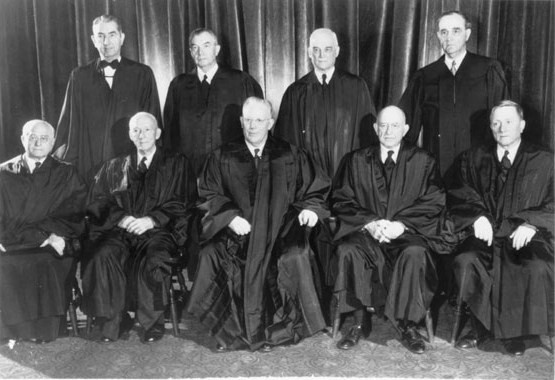
Background and context
The earlier decision in Brown v. Board of Education declared state-sponsored school segregation unconstitutional, but it left open the procedures for ending separation in the many school systems that had been segregated for decades. Resistance in some regions, legal complexity, and differing local circumstances raised practical questions that the Court confronted in the subsequent ruling. The sequel is commonly cited when discussing the pace and methods of desegregation across the United States.
Primary holdings and instructions
In Brown II, the Court did not establish a single, nationwide timetable. Instead it issued several key directives: it affirmed that segregation must end; it remanded desegregation cases to federal district courts for formulation and supervision of remedies; and it required school boards to propose plans to eliminate discriminatory practices. Most famously, the Court ordered that desegregation proceed "with all deliberate speed" — a phrase intended to balance urgency with the complexities of administrative implementation.
Mechanisms for implementation
The Court relied on lower federal courts to carry out and enforce its mandate. Typical elements of implementation included:
- Development of concrete desegregation plans by local school authorities.
- Continued jurisdiction of district courts to review, approve, modify, or enforce those plans.
- Use of injunctions and other judicial remedies when localities failed to comply.
To ensure compliance, the federal judiciary could supervise timetables, order busing or reassignments where necessary, and in extreme cases the executive branch was called upon to enforce court orders. The practical enforcement of the decision is discussed in many historical accounts and legal analyses, and was the subject of continuing litigation in the years that followed. See also commentary on enforcement and follow-up litigation at related resources.
Reception, resistance, and examples
The phrase "with all deliberate speed" was widely criticized for its vagueness, and in practice it allowed some school systems to delay meaningful desegregation. Some districts integrated relatively quickly after court supervision, while others resisted through legislative, administrative, and social measures. Notable episodes of federal intervention to enforce school integration in subsequent years illustrated both the limits of judicial rhetoric and the need for coordinated enforcement. For discussions of public response and specific episodes, see supplementary materials at primary sources.
Impact and legacy
Brown II shaped the legal architecture for dismantling segregation by assigning remedial power to district courts and signaling federal commitment to implementation. However, the decision’s ambiguity about speed and precise methods contributed to a protracted struggle over educational equality. Over the next decade and beyond, additional court rulings, federal legislation, and administrative actions tightened enforcement and clarified remedies. Brown II remains central to studies of constitutional remedies, civil rights litigation, and the practical challenges of translating landmark judicial principles into sustained public policy.
Questions and answers
Q: What was Brown v. Board of Education II?
A: Brown v. Board of Education II was a Supreme Court case decided in 1955.
Q: What did the Supreme Court decide in Brown v. Board of Education the year before Brown II?
A: The Supreme Court made racial segregation in schools illegal in Brown v. Board of Education.
Q: Did all-white schools integrate after the ruling in Brown v. Board of Education?
A: No, many all-white schools still had not integrated their schools.
Q: What did the Court order in Brown II?
A: The Court ordered all-white schools in the United States to integrate their schools "with all deliberate speed".
Q: Did the Court set out rules for de-segregation in Brown II?
A: Yes, the Supreme Court set out rules about what schools needed to do to de-segregate in Brown II.
Q: How did the United States government plan to make sure the schools did de-segregate?
A: The Supreme Court explained how the United States government would make sure the schools did de-segregate in Brown II.
Q: What does "with all deliberate speed" mean in the context of the Court's ruling in Brown II?
A: "With all deliberate speed" means that the schools should integrate as quickly as possible, but at a pace that is still effective and manageable.
Related articles
Author
AlegsaOnline.com Brown v. Board of Education II (1955): implementing school desegregation Leandro Alegsa
URL: https://en.alegsaonline.com/art/14792
Sources
- supreme.justia.com : 483
- supreme.justia.com : 294
- archives.gov : "Teaching with Documents: Documents Related to Brown v. Board of Education"
- oyez.org : "Brown v. Board of Education of Topeka (2)"
- pbs.org : "Primary Sources: Draft Version of Decree in Brown v. Board of Education II, 1955"
- scholar.google.com : Allen v. County School Board of Prince Edward County
- supreme.justia.com : 218