
V. V. Giri: Fourth President of India and Labour Leader
V. V. Giri (1894–1980) was an Indian trade unionist, independence activist and the fourth President of India (1969–1974), notable as the only person elected President as an independent and a recipient of the Bharat Ratna.
Overview
V. V. Giri was a prominent Indian public figure who combined a long career in the labour movement and the independence struggle with high constitutional office. Born in 1894, he became well known as a trade union leader and public administrator before serving as the third Vice-President of India and then as the country’s fourth President from 24 August 1969 to 24 August 1974. He died on 24 June 1980.
Image gallery
6 Images
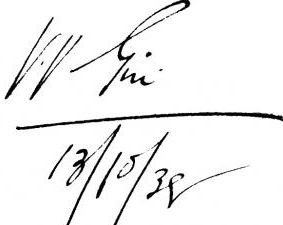


Career and public service
Giri’s early public life was marked by involvement in workers’ organisation and nationalist politics. Over decades he held a range of public positions, including gubernatorial and advisory roles, and he gained a reputation for strong advocacy on labour rights and social justice. His background in trade unionism informed his views on economic fairness and workers’ protections, which he continued to emphasize during his later public service.
Presidency and the 1969 election
The 1969 presidential election was a pivotal moment in post-independence Indian politics. In that contest Giri stood as an independent candidate and secured the presidency, becoming the only person to be elected to India’s highest constitutional office without formal party affiliation. His election followed a period of internal debate within major parties and reflected his broad personal appeal across different political groups. During his five-year term he performed the constitutional duties of the presidency and took special interest in issues touching on labour and social welfare.
Honours and legacy
After leaving office, Giri’s public contributions were recognised by the Government of India with the award of the Bharat Ratna in 1975. He is remembered for bridging organised labour and high public office, and for the rarity of his independent presidential victory. His successor as President in 1974 was Fakhruddin Ali Ahmed. The award of the nation’s highest civilian honour, the Bharat Ratna, underscored his standing in modern Indian public life.
Notable facts
- Fourth President of India (1969–1974).
- Third Vice-President of India prior to the presidency.
- Only person elected President as an independent candidate.
- Recipient of the Bharat Ratna in 1975.
Giri’s career illustrates an uncommon path from grassroots labour activism to the apex of constitutional office. He remains a reference point in discussions about the relationship between social movements and formal political institutions in India.
Questions and answers
Q: Who was the fourth President of India?
A: Varahagiri Venkata Giri, commonly known as V.V. Giri, was the fourth President of India.
Q: What position did he hold before becoming President?
A: Before becoming President, V.V. Giri held the position of 3rd Vice President of India.
Q: When did he serve as President?
A: V.V. Giri served as President from 24 August 1969 to 24 August 1974.
Q: How was he elected to the office of President?
A: V.V. Giri was elected to the office of President as an independent candidate, making him the only person to be elected in this way for that office in India's history.
Q: Who succeeded him as President in 1974?
A: Fakhruddin Ali Ahmed succeeded V.V. Giri as president in 1974 after his full term ended..
Q: What honour did the Government of India bestow upon him after his Presidency ended?
A: After his Presidency ended, V.V. Giri was honoured by the Government of India with Bharat Ratna award in 1975 for his service and dedication to Indian politics and society during his time in office..
Q: When did he pass away ?
A: V .V .Giri passed away on 24 June 1980
Author
AlegsaOnline.com V. V. Giri: Fourth President of India and Labour Leader Leandro Alegsa
URL: https://en.alegsaonline.com/art/147164