
United States Army Rangers
American light infantry special operations soldiers and a leadership course; Rangers are both designated units and graduates of Ranger School, noted for direct-action raids, airborne operations, and small-unit excellence.
Overview
The United States Army Rangers are an elite element of the U.S. Army associated with both designated Ranger units and soldiers who have completed the rigorous Ranger School leadership course. In contemporary usage, "Ranger" can refer to members of Ranger-designated formations or to any soldier awarded the Ranger Tab after finishing the school. Rangers are trained for rapid, high-intensity missions that emphasize small-unit tactics, physical endurance, and decisive leadership.

Image gallery
10 Images




History and origins
The term "ranger" has deep roots in English-speaking military tradition and was used by colonial militias in North America for irregular, scouting, and raiding duties. American Ranger lineage traces to early colonial rangers, notable irregular units such as Rogers' Rangers in the 18th century, and specialized companies raised in subsequent conflicts. In the 20th century, organized Ranger battalions were formed for large-scale wars, and postwar reorganizations produced the modern Ranger regiment and an institutionalized Ranger School to train small-unit leaders.
Organization and roles
Contemporary Ranger-designated forces are organized as highly trained, rapidly deployable light infantry capable of conducting a range of special operations missions. Typical tasks assigned to Ranger units include:
- Direct-action raids and assaults on high-value targets
- Airfield seizure and airborne operations
- Special reconnaissance and target interdiction
- Personnel recovery and support to larger joint operations
Rangers often work closely with other U.S. special operations components and operate in austere, high-threat environments where speed and precision are essential.
Training and qualifications
There are two related but distinct pathways associated with the Ranger name. Ranger School is a demanding leadership and small-unit tactics course open to soldiers from across the services; graduates earn the Ranger Tab. Serving in a Ranger-designated unit typically requires completing a unit selection and assessment program and may also require airborne training. Both paths emphasize endurance, navigation, marksmanship, and leadership under stress.
Distinctive features and notable facts
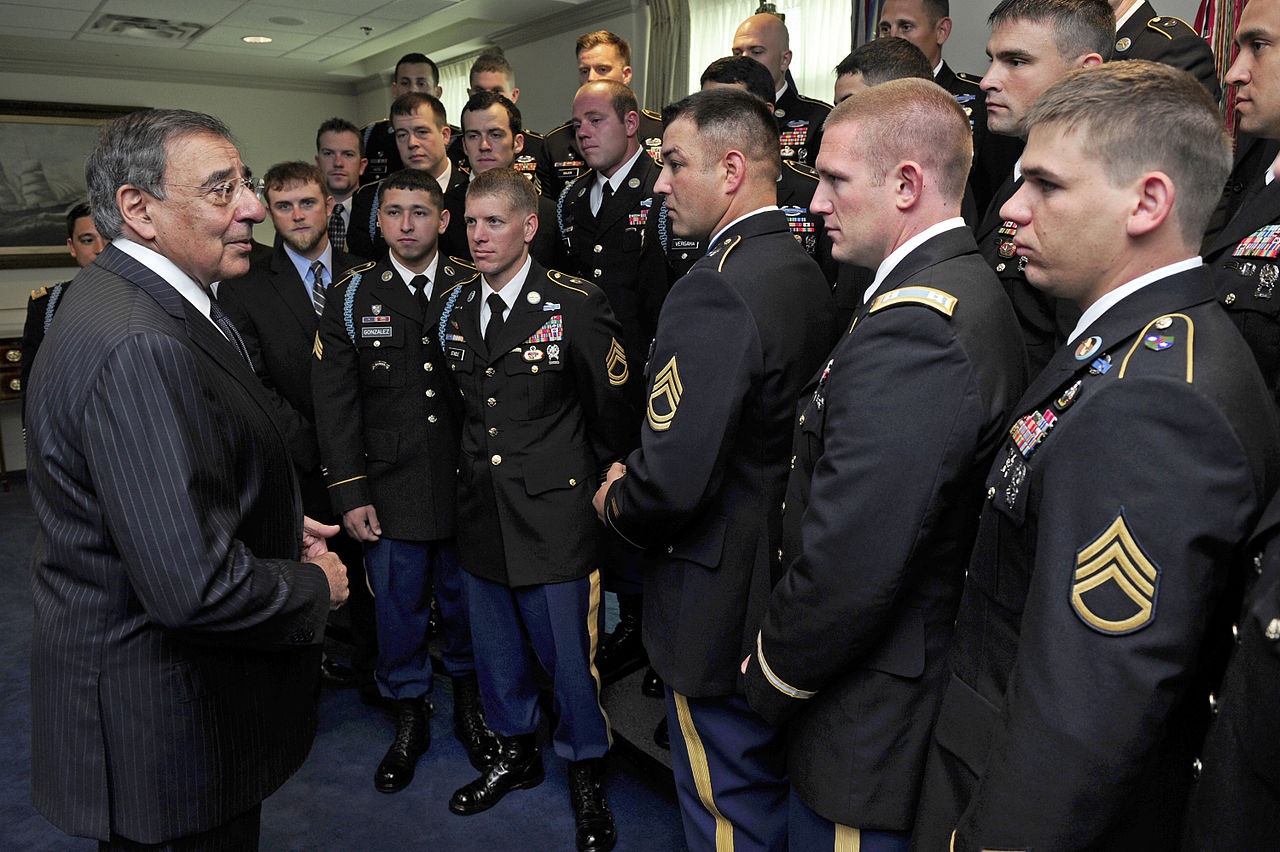
Rangers are widely recognized for their motto and ethos that stress initiative and leading from the front. Distinctions to note include the difference between the Ranger Tab (a personal qualification) and assignment to a Ranger regiment or battalion (an organizational status). Ranger units have participated in historic operations from World War II assaults to recent conflicts, and they maintain traditions and creeds that emphasize discipline, teamwork, and mission accomplishment. Visually, Rangers are identified by specific unit insignia and uniform elements associated with their regimental heritage.
Author
AlegsaOnline.com United States Army Rangers Leandro Alegsa
URL: https://en.alegsaonline.com/art/147100
Sources
- ranger.org : "Ranger Hall of Fame"