
Brook Park, Ohio
Brook Park is a suburban city in Cuyahoga County, immediately southwest of Cleveland. It combines residential neighborhoods with significant manufacturing, aerospace research, and transportation infrastructure.
Brook Park is a suburban city in Cuyahoga County, Ohio, located immediately southwest of downtown Cleveland. Covering roughly 7.5 square miles (about 19.5 km²), the city sits within the larger Cleveland metropolitan area and functions as a mix of middle‑class residential neighborhoods, commercial corridors, and heavy industry. The 2000 U.S. census recorded a population of 21,218; at that time the community was predominantly white. Brook Park’s proximity to major transportation facilities and employment centers has shaped its development and land use patterns.
Image gallery
4 Images

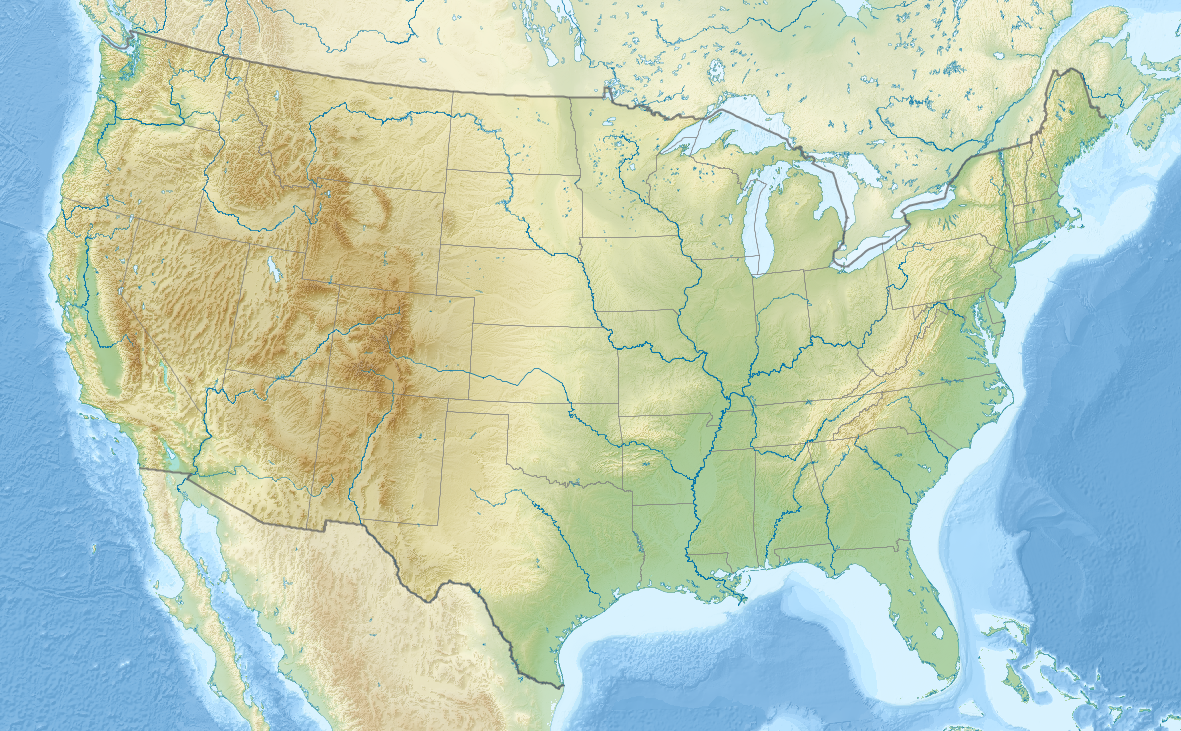

Geography and boundaries
Brook Park occupies a compact footprint roughly 5.1 miles east–west and 2.25 miles north–south. Its northern edge is adjacent to Interstate 480, and its western boundary follows the Rocky River in places. To the east Brook Park meets West 130th Street, where Cleveland and suburban jurisdictions converge; to the south the city is bounded by a corridor formed by Sheldon Boulevard and Sheldon Road. Although the western half of the local urban area is dominated visually by Cleveland Hopkins International Airport, the airport property itself lies within Cleveland city limits.
Neighboring communities
- North: Fairview Park and the city of Cleveland
- East: Parma and Parma Heights
- South: Middleburg Heights and Berea
- West: Olmsted and North Olmsted
Economy and major employers
Brook Park hosts a mix of manufacturing and research activity uncommon in many suburban settings. The city is home to multiple Ford Motor Company facilities concentrated on engine production and casting operations; historically this presence has been a major source of local employment and municipal tax revenue. West of the Ford complexes is the NASA Glenn Research Center’s test and research presence, which contributes aerospace research capacity to the region. Beyond manufacturing and research, the local economy is supported by retail along main corridors and by service businesses that cater to residents and travelers near the airport.
Transportation and infrastructure
Brook Park is defined in part by transportation arteries that connect the suburb to Cleveland and the wider region. Interstate 71 runs roughly north–south through the city, while Interstate 480 forms a northern boundary. Several important local roads, including Snow Road, create commercial strips and link residential areas to shopping and services. Rail infrastructure is also prominent: multiple freight lines operated by Norfolk Southern and CSX cross the city on northeast–southwest alignments, serving industrial facilities. The Cleveland Regional Transit Authority Red Line provides a rapid transit link to downtown Cleveland and the airport; however, the system’s stations that serve the airport and Brookpark (named station) are located within Cleveland municipal limits rather than inside Brook Park.
Neighborhoods, land use, and community features
The eastern half of Brook Park is characterized by the small‑lot, single‑family homes and tree‑lined streets typical of mid‑20th century American suburbs. Snow Road forms a roughly 1.6‑mile commercial corridor with restaurants, shops and neighborhood services. A significant element of local land use is Holy Cross Cemetery, a regional cemetery northeast of the city which occupies substantial open space. Industrial and research parcels are concentrated nearer the airport and along freight rail corridors, creating a juxtaposition of quiet residential blocks and heavy employment areas.
History and development
Brook Park grew as part of greater Cleveland’s suburban expansion in the 20th century, shaped by the arrival of automobile manufacturing and the development of Cleveland Hopkins International Airport to the west. Industrial investment, notably from automotive suppliers and engine plants, influenced zoning and local infrastructure, while the nearby research facilities expanded the area’s technical workforce. Over time, Brook Park has balanced the demands of industrial activity with residential quality of life through planning and municipal services aimed at maintaining neighborhood character.
Notable facts and distinctions
- Brook Park’s identity reflects a rare mix of residential suburbia and significant industrial and aerospace employers within a small area.
- Despite the visual dominance of Cleveland Hopkins International Airport along its western side, most airport property is within Cleveland city limits.
- Regional rail and interstate highways run through Brook Park, making it an important logistics and manufacturing node in the western Cleveland suburbs.
Today Brook Park functions as a community where suburban daily life coexists with heavy industry and research, and where transportation connections to Cleveland continue to influence local development, employment patterns, and planning priorities.

Related articles
Author
AlegsaOnline.com Brook Park, Ohio Leandro Alegsa
URL: https://en.alegsaonline.com/art/14694