
Tom C. Clark: U.S. Attorney General and Supreme Court Justice
Summary of Thomas C. Clark (1899–1977), who served as U.S. Attorney General (1945–1949) and as an Associate Justice of the Supreme Court (1949–1967), with his career, jurisprudence, and legacy.
Thomas C. Clark (1899–1977) was a prominent American jurist who held two of the nation's highest legal offices. He served as the 59th United States Attorney General from 1945 to 1949 and was appointed by President Harry S. Truman as an Associate Justice of the Supreme Court, where he served from 1949 until his retirement in 1967. He began his career as an American lawyer and later became a senior official in the federal justice system.
Image gallery
8 Images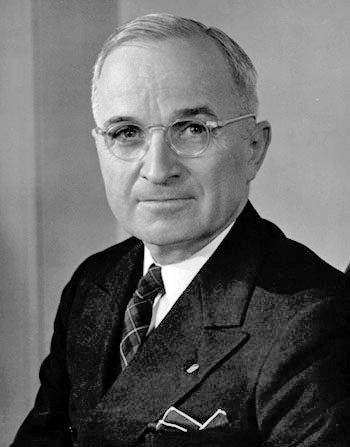




Early career and rise to national office
Clark trained and practiced law before entering federal service, building experience in both private practice and government legal work. By the mid-1940s he was a senior figure at the Department of Justice, advising on national legal matters and supervising federal prosecutions. His tenure as Attorney General came at the end of World War II and encompassed the transition to peacetime legal priorities.
Attorney General (1945–1949)
As Attorney General Clark oversaw the Justice Department's legal work for the executive branch, including criminal prosecutions, legal opinions to the president and agencies, and civil litigation involving the United States. His work in that post raised his profile and led to his Supreme Court nomination in 1949. Contemporary accounts describe him as a careful administrator who emphasized order and continuity during a period of rapid social and legal change.
Supreme Court service (1949–1967)
On the Supreme Court Clark served through much of the Warren Court era. He participated in major mid-20th-century decisions affecting civil rights, criminal procedure, free expression, and administrative law. Colleagues and historians generally characterize his jurisprudence as moderate with a willingness to join the Court's liberal coalition on key civil liberties rulings.
Retirement and legacy
Clark retired from the Court in 1967; his vacancy was filled by Thurgood Marshall, the first African American justice. His family remained active in public life—his son, Ramsey Clark, later served as U.S. Attorney General (1967–1969). Thomas C. Clark is remembered for a long public-service career that bridged executive legal leadership and two decades on the nation's highest court.
- Key positions: federal prosecutor, Department of Justice leader, U.S. Attorney General, Supreme Court Justice.
- Notable aspects: role during postwar transition, participation in Warren Court jurisprudence, connection to later Justice Thurgood Marshall through succession.
For a concise account of his life and rulings see biographical and legal summaries available through major legal histories and archival materials. Contemporary analysis places Clark among the mid-century jurists whose work influenced the expansion of constitutional protections in the United States.
Author
AlegsaOnline.com Tom C. Clark: U.S. Attorney General and Supreme Court Justice Leandro Alegsa
URL: https://en.alegsaonline.com/art/146846