
Tommy Steele — English rock singer, guitarist and actor
Tommy Steele (born Thomas Hicks, 1936) is an English rock-and-roll singer, guitarist and actor from London. A 1950s star whose 1957 single 'Singing the Blues' reached No.1, he later worked in film, musical theatre and pantomime.

Tommy Steele (born Thomas Hicks on 17 December 1936) is an English singer, guitarist and actor who rose to prominence in the 1950s. Born and raised in London, he adopted the stage name Tommy Steele and became one of the earliest British performers to bring American-style rock and roll into the UK popular mainstream.
Image gallery
4 Images

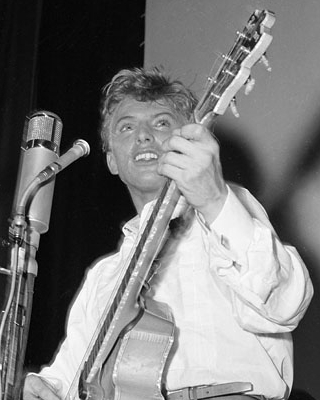

Musical career and hits
Steele achieved chart success in the late 1950s; his recording of "Singing the Blues" reached number one in 1957 and helped establish him as a headline performer. His style combined energetic stage presence with pop and rhythm-and-blues influences, and he played guitar as part of his act. Over the following years he recorded a string of singles and performed in concerts, variety shows and on television.
Stage and screen
Beyond pop records, Steele built a long career in musical theatre, film and family entertainment. He is closely associated with mid-20th-century British musical productions and appeared in cinematic and stage roles that showcased both singing and acting. He also became a familiar face in pantomime and touring productions, extending his appeal across generations.
Style, impact and honours
Steele is often cited as one of Britain’s early rock-and-roll pioneers: his approachable image and showmanship helped popularise the genre for a UK audience. In recognition of his services to entertainment he has received national honours, including an OBE and later a knighthood. For further details on official honours and career milestones see the biographical record.
- Birth name: Thomas Hicks (1936)
- Breakthrough hit: "Singing the Blues" (1957)
- Performer in pop, musical theatre and film
- Recognised with national honours for services to entertainment
Steele’s career spans popular music, theatre and film, and he remains a notable figure in the story of British popular culture during the postwar era.
Author
AlegsaOnline.com Tommy Steele — English rock singer, guitarist and actor Leandro Alegsa
URL: https://en.alegsaonline.com/art/146833