
Titan A.E. — 2000 animated science fiction film
Titan A.E. is a 2000 animated science-fiction film from Fox Animation Studios that mixes traditional and computer animation; it follows survivors searching for the spaceship Titan to rebuild humanity after Earth's destruction.
Overview
Titan A.E. is a 2000 animated science-fiction film produced by Fox Animation Studios and released by Twentieth Century Fox. Directed by Don Bluth and Gary Goldman, the film takes place after the destruction of Earth and follows a young man who becomes involved in a quest to find the Titan, a spacecraft containing technology capable of creating a new home for humanity. The initials "A.E." are given in the film as "After Earth."
Image gallery
1 Image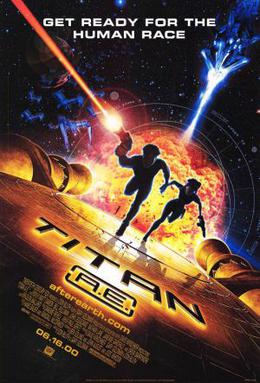
Production and visual style
The production combined traditional hand-drawn character animation with extensive computer-generated imagery (CGI) for ships, environments and large-scale effects. This hybrid approach was used to achieve detailed space sequences and dynamic action while retaining expressive, classical character animation. The score was composed by David Newman and supports both the adventurous and melancholic moments of the story.
Cast and performances
The film features a cast of well-known voice actors, including Matt Damon in the lead role, with supporting voices by Drew Barrymore, Bill Pullman, John Leguizamo and Nathan Lane. Performances emphasize character-driven emotion within a fast-paced, plot-driven science-fiction adventure.
Themes and narrative
Titan A.E. mixes space-operatic adventure with themes of loss, survival, identity and the ethical questions that follow societal collapse. The narrative examines how disparate survivors respond to catastrophe, the responsibility of leadership, and the idea of rebuilding civilization rather than merely surviving. The Titan itself functions as both a plot device and a symbol of hope and technological stewardship.
Release, box office and reception
Released in 2000, the film was notable for its ambition but underperformed commercially at the theatrical box office. It opened to a modest weekend take and finished its domestic run with a comparatively low gross. Critics were divided: many praised the visual ambition, effects and production design, while others criticized aspects of the screenplay and pacing. Over time the film has retained a following among viewers interested in late-1990s and early-2000s animation experiments and science-fiction animation.
Legacy and availability
Though not a commercial success, Titan A.E. is often discussed in the context of the changing animation industry at the turn of the century and the increased use of CGI alongside traditional techniques. The film remains available on home media and digital platforms, and its soundtrack, design work and hybrid approach are referenced in studies of animation history.
Further information
Questions and answers
Q: What is Titan A.E.?
A: Titan A.E. is a 2000 animated science fiction movie from Fox Animation Studios and Twentieth Century Fox.
Q: What is the meaning of the A.E. in the title of the movie?
A: A.E. stands for "After Earth."
Q: How was the movie created?
A: The movie was created using both hand-drawn animation and computer generated imagery.
Q: Did Titan A.E. perform well in theaters?
A: No, Titan A.E. did not make much money in theaters.
Q: How much money did Titan A.E. make during its opening weekend?
A: Titan A.E. made only $9,376,845 during its opening weekend.
Q: What was the total amount of money Titan A.E. made in theaters?
A: Titan A.E. made a total of $22,753,426 in theaters.
Q: What role does the fictional spacecraft Titan play in the movie?
A: The fictional spacecraft Titan is a main part of the plot.
Author
AlegsaOnline.com Titan A.E. — 2000 animated science fiction film Leandro Alegsa
URL: https://en.alegsaonline.com/art/146801
Sources
- qwest.com : Qwest Digital Cinema white paper (pdf file)