
Tian Shan: the Great Mountain System of Central Asia
Tian Shan (Tian Shan Mountains) is a major Central Asian mountain system known for high peaks, glaciers, biodiversity, Silk Road history and UNESCO-protected ranges spanning several countries.
The Tian Shan is an extensive system of mountain ranges in Central Asia, often translated as the "Heavenly" or "Celestial" Mountains. Stretching roughly east–west for thousands of kilometres, the Tian Shan forms a prominent natural barrier and climatic divide across the continental interior. It contains high alpine peaks, large glaciers and long valleys that have shaped regional rivers, ecosystems and human movement for millennia. For more general context see regional mountain systems.
Image gallery
10 Images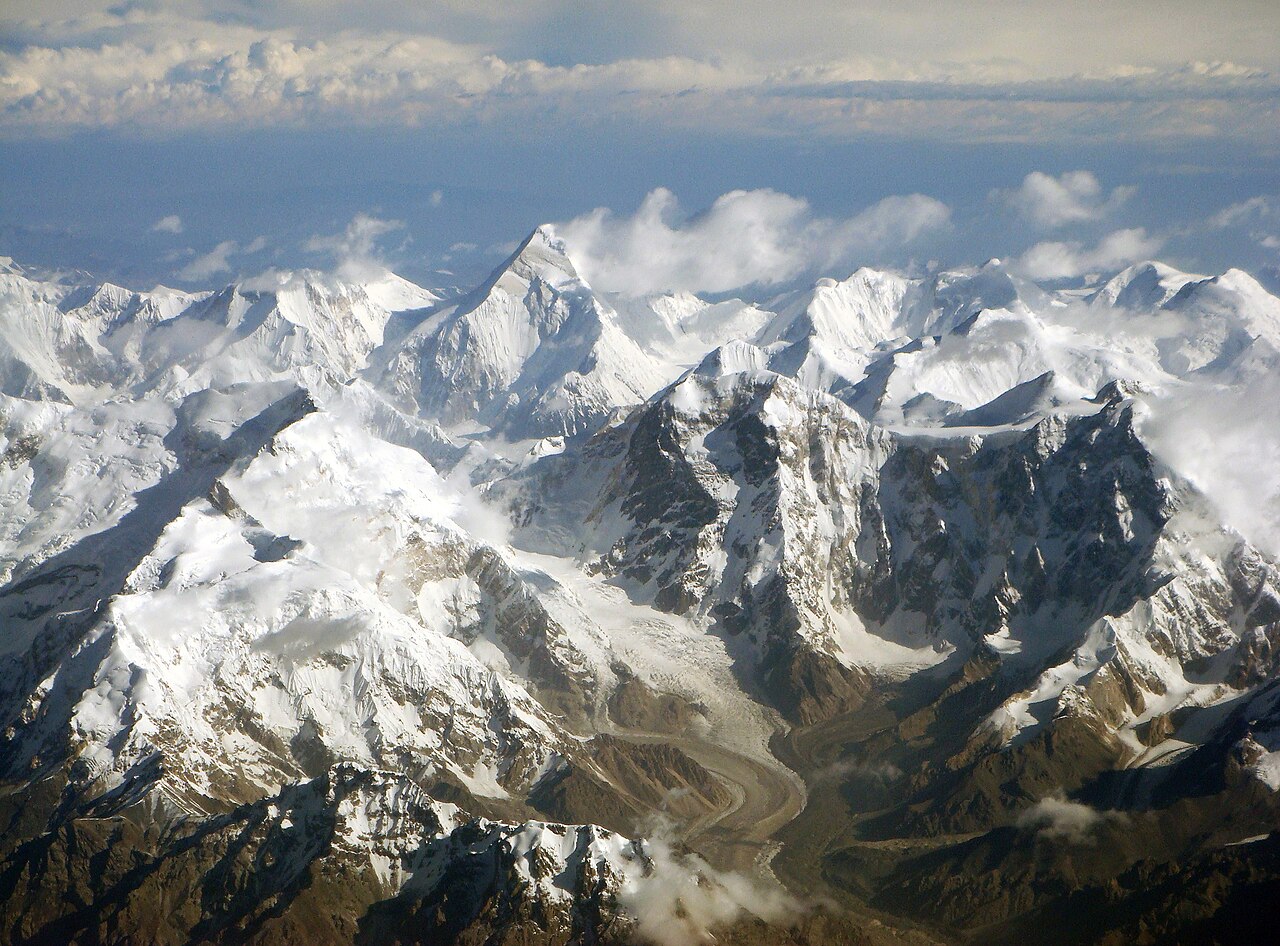




Geography and notable summits
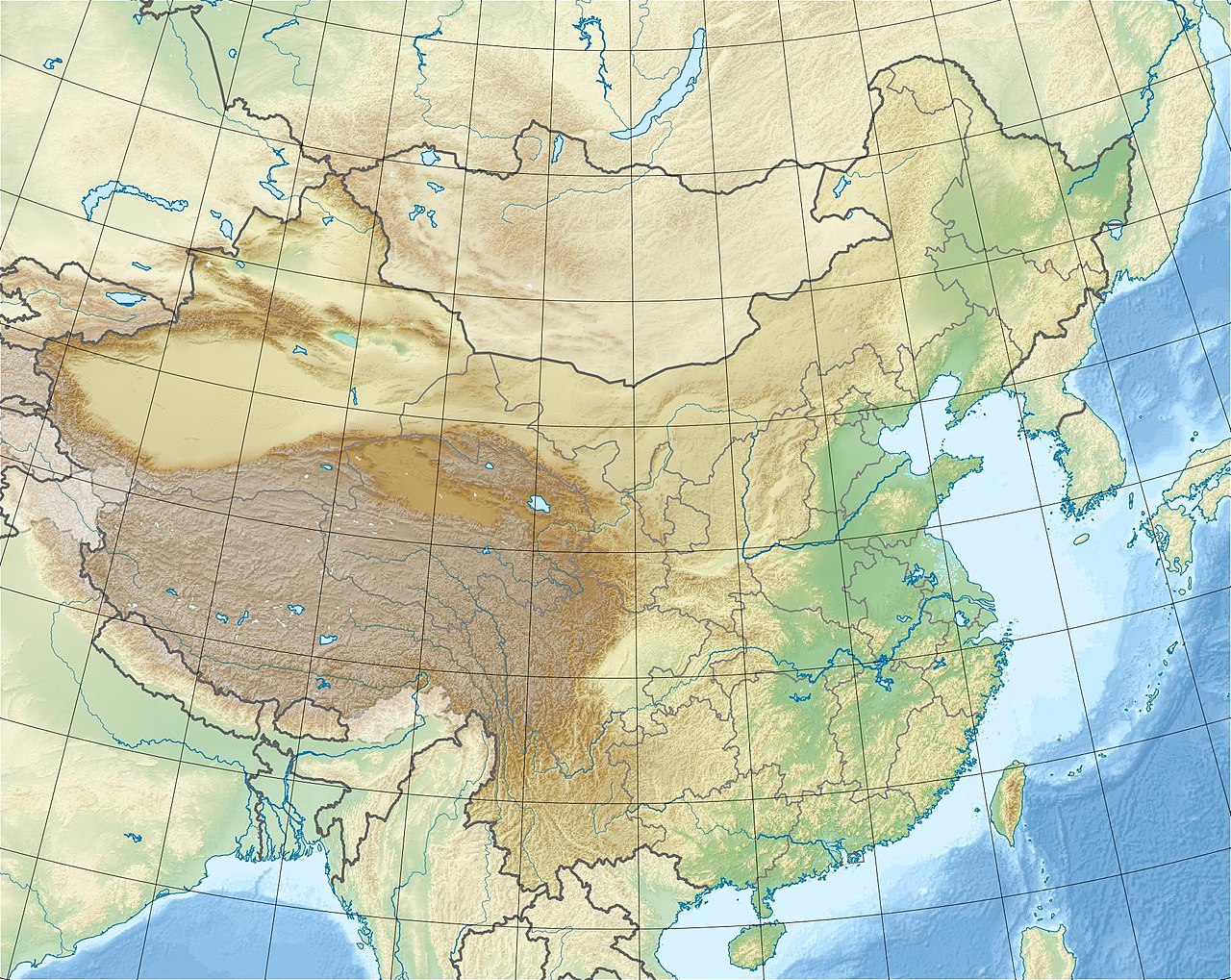
The Tian Shan occupies territory in several countries and extends from near the border with China westward across Central Asia. Its highest summit is Jengish Chokusu (also known as Pobeda Peak) at about 7,439 metres. The range is made up of many subranges with local names and distinct landscapes, from rugged snow-capped peaks to grassy alpine meadows and deep river valleys. Mountaineering and scientific expeditions often refer to lists of major peaks and glacier systems when studying the area; see an overview here.
Geology and formation
The Tian Shan is a product of long-term tectonic activity. Its uplift relates to the broader orogenic processes that shaped much of Central Asia, influenced by compressional forces from plate interactions farther south. Repeated episodes of uplift, folding and glaciation have produced the high relief and exposed crystalline rocks typical of the chain. Geological summaries and maps are available at geological resources.
Ecology and climate
Elevational variation in the Tian Shan produces distinct climate zones: montane forests and steppe at lower elevations, alpine meadows at mid-levels and permanent snow and ice above. The range supports a rich mix of plants and animals, some adapted to cold, high-elevation conditions. Glaciers in the Tian Shan are important freshwater reservoirs for downstream communities and agriculture; conservation materials and studies can be consulted via conservation bodies.
Human history and cultural importance
For centuries the mountains have influenced trade and travel. Caravans following the North Silk Road routes often traced foothills and passes to avoid the most inhospitable deserts, making the range an important landmark in exchanges between East and West. Nomadic peoples, pastoral communities and settled towns all developed cultural ties to the mountains. Historical surveys and routes are discussed in many specialist works; a starting reference is historical routes.
Protection, tourism and modern uses
Parts of the Tian Shan have been recognized for outstanding natural value. Sections were inscribed on the UNESCO World Heritage List in stages during the early 21st century, a reflection of their landscape, biodiversity and geological significance. Protected areas combine conservation, scientific research and sustainable tourism. Visitors can find information on parks, access and guidelines at official portals such as visitor information and regional authorities via management pages.
Key facts and distinctions
- The name Tian Shan comes from Chinese and conveys a sense of "heavenly" mountains; cultural meanings vary by language and region; see cultural notes here.
- The mountain system played a role in shaping trade corridors and local climates, influencing the course of rivers and the location of oases that supported Silk Road traffic; background on routes and environments is available at trade route studies.
- Conservation listings for different parts of the Tian Shan were added to the UNESCO World Heritage List at different times; summaries of those inscriptions are found at UNESCO summaries and related documents at site documents.
- Research on glaciers, biodiversity and human use continues, and up-to-date scientific literature and park management plans can be consulted via research portals.
Questions and answers
Q: Where is the Tian Shan mountain range located?
A: The Tian Shan mountain range is located in Central Asia, along the border with China and Kyrgyzstan.
Q: What is the name of the tallest mountain in the Tian Shan range?
A: The tallest mountain in the Tian Shan range is Jengish Chokusu, which is 7,439 metres high.
Q: When did the eastern part of the Tian Shan range become a UNESCO World Heritage Site?
A: The eastern part of the Tian Shan range became a UNESCO World Heritage Site in 2013.
Q: Which countries are the western part of the Tian Shan range a World Heritage Site in?
A: The western part of the Tian Shan range is a World Heritage Site in Kazakhstan, Uzbekistan, and Kyrgyzstan.
Q: What was the North Silk Road?
A: The North Silk Road was an ancient trade route that was used for people to travel between East Asia and the Middle East.
Q: What bodies of water was the North Silk Road near?
A: The North Silk Road was near the Tian Shan mountain range when travelling through the Taklamakan Desert.
Q: What is the significance of the Tian Shan mountain range in relation to the North Silk Road?
A: The Tian Shan mountain range was significant to the North Silk Road as it was the route people followed when travelling through the Taklamakan Desert between East Asia and the Middle East.
Author
AlegsaOnline.com Tian Shan: the Great Mountain System of Central Asia Leandro Alegsa
URL: https://en.alegsaonline.com/art/146753